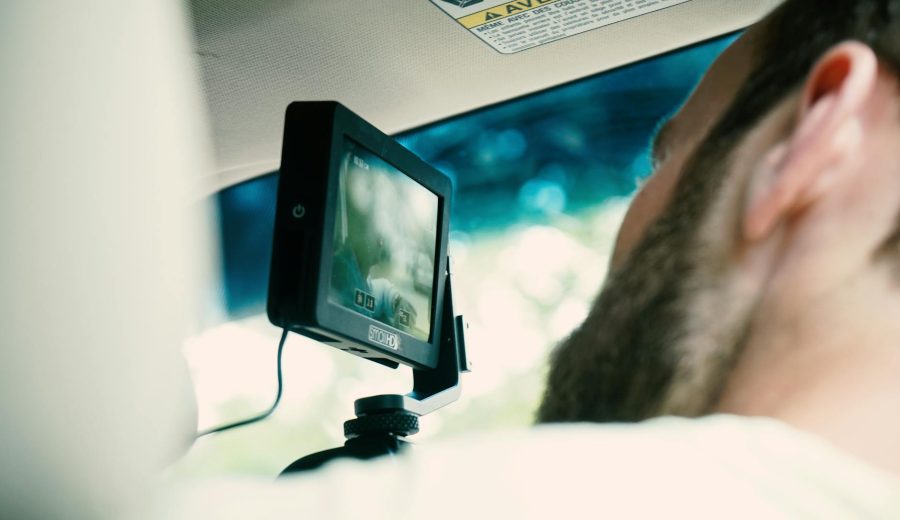
India’s National Highways Authority (NHAI) is deploying AI-powered dashcams across 40,000 kilometers of highways to boost road safety and reduce accidents. These intelligent cameras use artificial intelligence to monitor traffic patterns, detect violations, and identify high-risk driving behaviors in real-time. The massive rollout represents a significant step toward modernizing India’s highway infrastructure and accident prevention systems.
The National Highways Authority of India plans to deploy artificial intelligence powered surveillance across the nation’s road network.
Every mile traveled under electronic surveillance represents a bargain struck between security and liberty. That trade rarely favors the citizen. The National Highways Authority of India now prepares to install AI powered dashcam systems across 40,000 kilometers of national highways. This digital panopticon promises safer roads but delivers something far more complex.
Technology itself represents a breakthrough in automated monitoring. These AI systems can detect traffic violations, accident patterns, and driver behaviors in real time. They analyze video feeds using machine learning that identifies everything from speeding to lane violations. The promise is compelling. Fewer accidents, better enforcement, and data driven safety improvements.
But what lies within this black box of artificial decision making? The algorithms remain opaque to public scrutiny. Citizens can’t examine how these systems classify normal versus dangerous behavior. We have no window into the training data that shapes these digital judges. This opacity troubles philosophers like Hannah Arendt, who warned of systems that remove human judgment from crucial decisions.
Ethical costs emerge in layers. Privacy dissolves under constant digital observation. Every journey becomes a data point in government databases — without consent or oversight. Citizens lose the freedom to travel without documentation. The surveillance state grows stronger with each installed camera.
Consider the mathematical reality here. By next year, these systems could process millions of hours of footage daily. Each frame becomes evidence. Every detected violation creates a permanent record. That’s a staggering figure when multiplied across the network. The timing is striking.
Regulatory gaps yawn wide across this landscape. Current laws can’t address algorithmic bias in traffic enforcement. What happens when AI systems show prejudice against certain vehicle types or driving patterns? Who appeals an algorithmic decision? The infrastructure for oversight simply doesn’t exist yet.
Technical accuracy creates deeper concerns for motorists. These systems will make thousands of enforcement decisions daily. Even a 99 percent accuracy rate means hundreds of false positives each day. Real people face real penalties based on machine interpretations of behavior. The math is sobering.
Philosophical questions echo Jeremy Bentham’s panopticon prison design. When people know they might be watched, they change their behavior. Unlike Bentham’s theoretical prison, these highways serve free citizens — not convicted criminals. The surveillance state expands its reach into daily movement and travel.
Yet safety improvements could be substantial for drivers. AI monitoring might prevent thousands of accidents annually. Lives saved carry moral weight that can’t be dismissed lightly. The technology offers genuine benefits for road safety and traffic management. Nobody disputes that publicly.
Broader implications extend beyond highways into society. This deployment creates precedent for AI surveillance in public spaces nationwide. Success here enables expansion into cities, rural areas, and private roads. The surveillance infrastructure grows incrementally but inevitably.
Citizens face a fundamental choice about their future. Do we accept algorithmic oversight of daily movement in exchange for safety improvements? The question demands serious public debate before implementation. Not after the cameras go live.
Still the black box remains sealed tight. Citizens can’t examine the logic that will soon judge their driving. This represents a dangerous precedent for AI deployment in democratic societies. Transparency must come before surveillance, not after. For weeks now, privacy advocates have called for public hearings.
This AI surveillance system sets precedent for algorithmic monitoring of citizens across India’s public infrastructure. The deployment lacks transparency safeguards and adequate regulatory oversight. Success here enables expansion of surveillance technology into all aspects of public life.
AI powered cameras will monitor driver behavior across India’s extensive highway network.
Source: Original Report