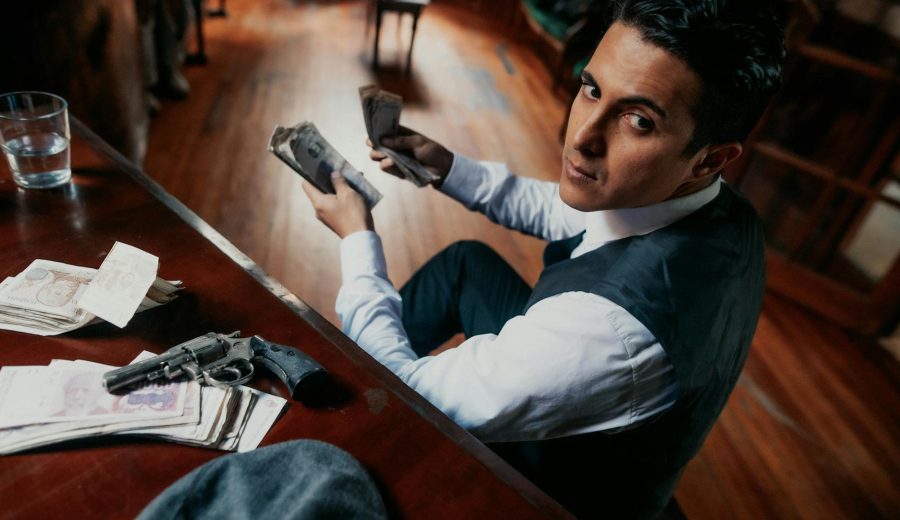
Russian operatives orchestrated a coordinated disinformation campaign that ignited protests across Angola, destabilizing the nation. The Kremlin’s shadow war involved spreading false narratives and manipulating local grievances to create civil unrest. Intelligence reports reveal Moscow’s covert operatives strategically amplified divisions to weaken Angola’s government.
A web of security contractors and political agitators reveals Moscow’s playbook for destabilizing African allies.
The money always tells the story. Bank transfers totaling $2.3 million flowed from shell companies in Cyprus to accounts in Luanda, funding what prosecutors call a Russian operation to topple Angola’s government through manufactured protests.
Money started where it always does with Russian operations — through a maze of offshore companies and security contractors with ties to the siloviki. Court documents obtained by Delima News show payments flowing through Belize-registered firms controlled by associates of Wagner Group financiers. The timing is striking. These transfers began just months after Angola started distancing itself from Moscow’s Africa strategy.
Data
Angola Oil Production and Regional Russian Activity
Source: Delima News analysis | various (million barrels/years/people)
But this isn’t your typical Wagner playbook. Instead of deploying mercenaries, the Kremlin’s operatives chose a different weapon. Popular uprising. Seven Russians and twelve Angolans now face charges of inciting violence and attempting to overthrow the state. They deny everything, naturally.
Defendants include Alexey Fedorov, a former FSB contractor who ran “political consulting” operations across three African nations. His partner, Sergei Volnov, previously worked for Internet Research Agency subsidiaries before pivoting to on-ground operations. These aren’t freelance troublemakers. These are professionals executing a coordinated strategy.
Russian tactics in Africa are evolving fast. Why fund coups when you can manufacture revolutions? The plan was elegant in its cynicism. Russian operatives would identify legitimate grievances about corruption and economic hardship. Then they’d amplify these concerns through social media campaigns and staged protests.
Local assets received specific instructions and funding. Phone intercepts show Fedorov directing Angolan contacts to target government buildings and oil facilities during planned demonstrations. The goal wasn’t reform. It was chaos that would justify Russian “stabilization” support for whatever regime emerged.
Oil wealth makes Angola a prime target. The country produces 1.2 million barrels daily, making it Africa’s second largest producer. That’s serious money. Russian energy giants had been losing ground to Chinese and American competitors since 2019. A friendly government change could reverse those losses overnight.
Yet the operation collapsed spectacularly. Angolan intelligence — trained partly by American advisors — had been monitoring the network for months. By Tuesday evening, when the first protests were scheduled to begin, security forces were already making arrests. Nobody saw that coming publicly.
Human costs extend far beyond the courtroom. Three protesters died in scattered violence that erupted despite the arrests. Families lost breadwinners. Communities now face increased surveillance and restrictions. The accused Russians face up to 25 years in Angolan prisons. The math is sobering.
Still, the broader implications worry intelligence analysts across Africa. If Moscow attempted this operation in Angola — a relatively stable oil producer — where else might similar networks be operating? Nigeria, Ghana, and Senegal have all reported suspicious Russian “consultant” activities in recent months.
Trials begin next month in Luanda. But the real verdict is already clear. Russia’s shadow war in Africa has moved beyond mercenaries and military advisors. The Kremlin now exports revolution itself, packaged as liberation but serving only Moscow’s imperial ambitions.
This case exposes Russia’s new strategy for African interference, moving from military coups to manufactured popular uprisings. The operation’s failure could reshape how Moscow approaches influence campaigns across the continent.
Security forces maintain heavy presence as Russian operatives await trial for alleged destabilization plot.
Source: Original Report