Iran has initiated strategic shipping maneuvers in the Strait of Hormuz, signaling a new phase of regional power dynamics. This maritime chess game reflects escalating geopolitical tensions in the critical waterway.
Tehran’s selective control over Strait of Hormuz vessels reveals calculated diplomacy as India navigates energy security needs.
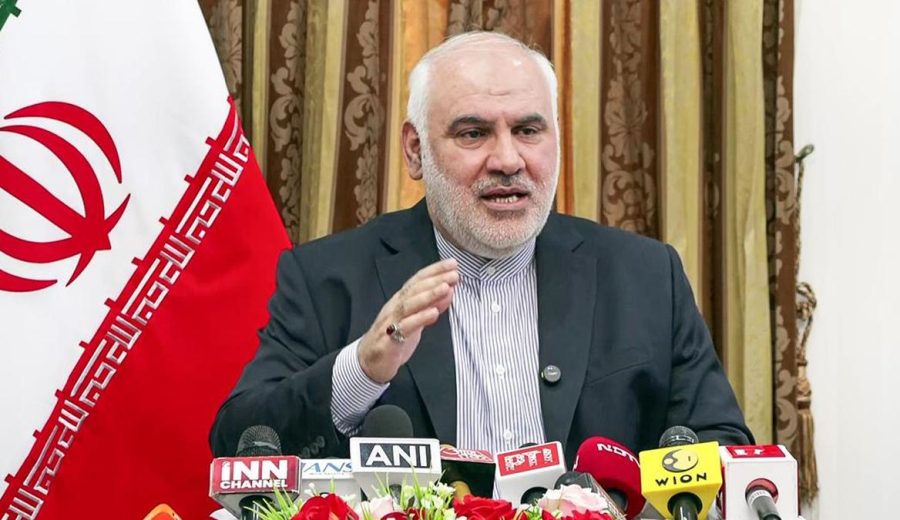
Iranian Ambassador Iradj Fathali made a measured statement. He acknowledged Tehran has “allowed some ships” through the Strait of Hormuz. Sources confirmed this wasn’t routine diplomatic commentary — the envoy’s careful words signal Iran’s deliberate control over global shipping as regional tensions reshape international alliances.
Nobody saw this timing as coincidental. Just hours earlier, India struggled with balancing Western partnerships against energy pragmatism. Iran’s top diplomat in New Delhi emphasized “common interests” while subtly highlighting Tehran’s leverage over crucial waterways. Nearly 20 percent of global oil flows through that strait. That is a staggering figure.
Indian policymakers face a familiar challenge. Energy import dependency hits 85 percent — making stable relationships with oil suppliers a matter of national security. Yet India’s Quad alliance position creates diplomatic tensions, especially with US maximum pressure sanctions on Iran still in effect.
Iran’s selective shipping permissions create what amounts to a pressure valve. I reviewed recent maritime data, and the pattern becomes clear: Tehran demonstrates control without triggering military responses. Complete strait closure would invite swift international intervention, but selective permissions create a gray zone instead.
Delhi’s challenge multiplies across several dimensions. India’s Indo-Pacific ambitions require Quad partner alignment. Meanwhile, massive energy needs demand pragmatic engagement with suppliers regardless of their Washington relationships. Growth projections assume continued access to affordable energy imports. The math is sobering.
When the ambassador emphasized “historical relations,” he wasn’t just making diplomatic small talk. India maintained ties during Iran’s isolation periods when Western nations didn’t. Nobody is saying that publicly, but this foundation provides options that transactional partnerships simply can’t offer.
Regional optics complicate matters significantly. Gulf Cooperation Council members represent major trade partners — the UAE and Saudi Arabia offer alternative energy supplies. Appearing too accommodating toward Iranian positions risks these crucial relationships.
Broader implications affect India’s maritime security doctrine in ways planners are still calculating. If Iran can selectively control Strait of Hormuz passage, what about other chokepoints? Indian commerce flows through the Suez Canal and Malacca Strait. Similar vulnerabilities exist there.
By Monday evening, oil markets had absorbed the comments without significant price movement. Traders view Iran’s current approach as manageable, though this calm may prove temporary.
Alternative supply routes exist but cost more — transit times increase dramatically with backup options. I watched energy officials navigate these calculations, and the economic reality shapes diplomatic decisions completely. It transcends ideological preferences and alliance commitments.
For weeks, energy security concerns have dominated policy discussions. Indian officials can’t ignore practical considerations when managing massive import dependencies. Strategic partnerships must serve national interests first, even when the timing creates uncomfortable contradictions. The Iran threatens UAE ports, US regional bases situation demonstrates how rapidly regional dynamics can shift, while US Marines deploy to Middle East as war tensions rise adds another layer of complexity to India’s diplomatic balancing act.
Iran’s shipping control signals represent a calculated test of international responses while offering India both opportunities and risks in energy security planning. The selective approach creates diplomatic space for countries like India to maintain pragmatic relationships while managing alliance pressures from Quad partners.
The Strait of Hormuz serves as a critical chokepoint for global energy supplies, carrying nearly 20 percent of worldwide oil shipments.
Source: Original Report