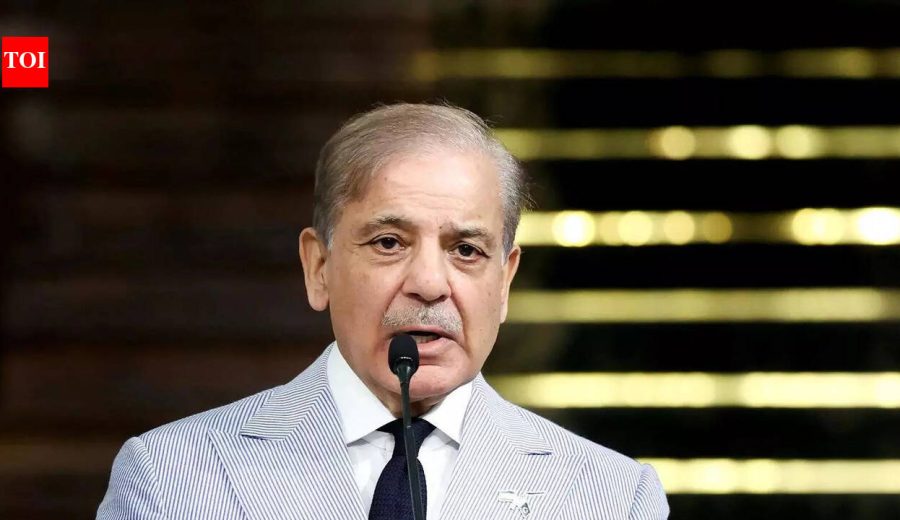
Pakistan’s Prime Minister has approved sweeping salary reductions of up to 30 percent for employees of state-owned enterprises as the country grapples with a severe fuel crisis exacerbated by the ongoing Middle East conflict. The austerity measures, which affect thousands of government workers, represent the most significant cost-cutting initiative implemented by the Pakistani government in recent years.
The salary cuts vary based on employee income levels, with reductions ranging from 5 percent for lower-paid workers to 30 percent for senior management positions within state-controlled companies. The decision comes as Pakistan faces mounting economic pressure following sharp increases in global fuel prices that have significantly impacted the nation’s import-dependent energy sector.
Government officials confirmed that the salary reductions are part of a comprehensive austerity package designed to redirect funds toward public relief efforts. The measures also include substantial cuts to fuel allocations for official government vehicles and a complete ban on new vehicle purchases across all state departments and enterprises.
The fuel crisis has intensified following recent developments in the Middle East conflict, which have disrupted global energy markets and driven petroleum prices to levels that strain Pakistan’s foreign currency reserves. The country, which imports approximately 85 percent of its oil requirements, has seen its fuel import bill surge by over 40 percent compared to the previous fiscal year.
Finance Ministry sources indicate that the salary cuts alone are expected to save the government approximately $200 million annually, funds that will be channeled into subsidizing fuel costs for consumers and supporting essential public services. The vehicle fuel allocation reductions are projected to generate additional savings of $50 million per year.
State-owned enterprises affected by the salary cuts include Pakistan Steel Mills, Pakistan International Airlines, Pakistan Railways, and various power generation companies. These entities collectively employ more than 400,000 workers across the country. Union representatives have expressed concerns about the impact on workers already facing rising living costs due to inflation.
The government has also announced temporary suspension of non-essential development projects and reduced operational budgets for government departments by 15 percent. Officials emphasized that essential services including healthcare, education, and security operations will remain unaffected by the budget cuts.
Economic analysts view the measures as necessary but potentially insufficient to address Pakistan’s broader fiscal challenges. The country is currently negotiating with the International Monetary Fund for additional financial support while implementing structural reforms demanded by international lenders.
The austerity drive reflects the government’s attempt to balance fiscal responsibility with public welfare amid deteriorating economic conditions. Pakistan’s foreign exchange reserves have declined to critically low levels, covering less than two months of imports, while the national currency has depreciated significantly against major international currencies.
The implementation of salary cuts begins immediately, with the first reduced payments expected in next month’s payroll cycle. Government officials have indicated that the measures will remain in effect until global fuel prices stabilize and the country’s economic situation improves sufficiently to restore full compensation levels.
The move underscores the severe economic pressures facing Pakistan as it navigates multiple challenges including energy security, fiscal sustainability, and social stability in an increasingly volatile regional environment.
Source: Original Report