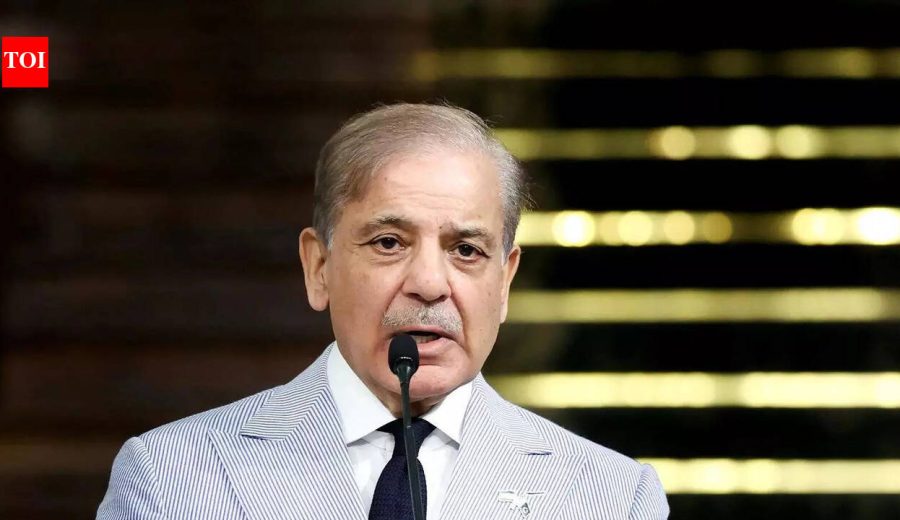
Pakistan’s government has implemented drastic salary reductions of up to 30 percent for employees of state-owned enterprises as the country grapples with a severe fuel crisis exacerbated by the ongoing Middle East conflict. Prime Minister Shehbaz Sharif approved the comprehensive austerity package, which affects thousands of public sector workers across the nation’s struggling economy.
The salary cuts range from 5 to 30 percent depending on employee grade levels and positions within state enterprises. Higher-ranking officials face the steepest reductions, while lower-level employees will see smaller but still significant cuts to their monthly earnings. The measure forms part of a broader government strategy to manage mounting fiscal pressures and redirect resources toward public relief initiatives.
Pakistan’s fuel crisis has intensified following sharp price increases linked to global oil market volatility stemming from the Middle East conflict. The South Asian nation, already facing chronic energy shortages and foreign exchange constraints, has struggled to maintain adequate fuel supplies while managing inflation that has reached double digits in recent months.
Alongside the salary cuts, the government has announced severe restrictions on fuel allocations for official vehicles across all ministries and departments. New vehicle purchases have been banned entirely, with existing fleets required to operate on significantly reduced fuel quotas. These measures aim to preserve scarce fuel resources for essential services and civilian use.
The austerity drive extends beyond personnel costs to include reductions in official travel, entertainment expenses, and non-essential operational expenditures across state-owned enterprises. Government officials indicated that the savings generated from these cuts would be channeled into subsidies for essential commodities and emergency relief programs for Pakistan’s most vulnerable populations.
State-owned enterprises in Pakistan employ hundreds of thousands of workers across sectors including energy, telecommunications, railways, and manufacturing. Many of these entities have operated at losses for years, requiring regular government bailouts that strain public finances. The salary cuts represent one of the most significant cost-reduction measures implemented in recent years.
Pakistan’s economy has faced mounting challenges including a depreciating currency, declining foreign reserves, and ongoing negotiations with international lenders for financial assistance. The International Monetary Fund has previously called for reforms to state-owned enterprises as part of broader economic stabilization efforts.
Trade unions and employee associations have expressed concern about the impact of salary cuts on workers already struggling with rising living costs. Representatives argue that the measures place an unfair burden on public sector employees while broader structural economic issues remain unaddressed.
The fuel crisis has affected multiple sectors of Pakistan’s economy, with power generation, transportation, and manufacturing facing significant disruptions. Rolling blackouts and fuel shortages at petrol stations have become increasingly common, prompting public frustration and calls for government action.
Regional analysts note that Pakistan’s current challenges reflect broader vulnerabilities facing South Asian economies dependent on energy imports. The government has indicated that additional measures may be necessary if global fuel prices continue to rise or if the regional security situation deteriorates further.
The implementation of these austerity measures signals the government’s recognition of the severity of Pakistan’s current economic predicament and its willingness to take politically difficult steps to address mounting fiscal pressures while attempting to shield the general population from the worst effects of the ongoing crisis.
Source: Original Report