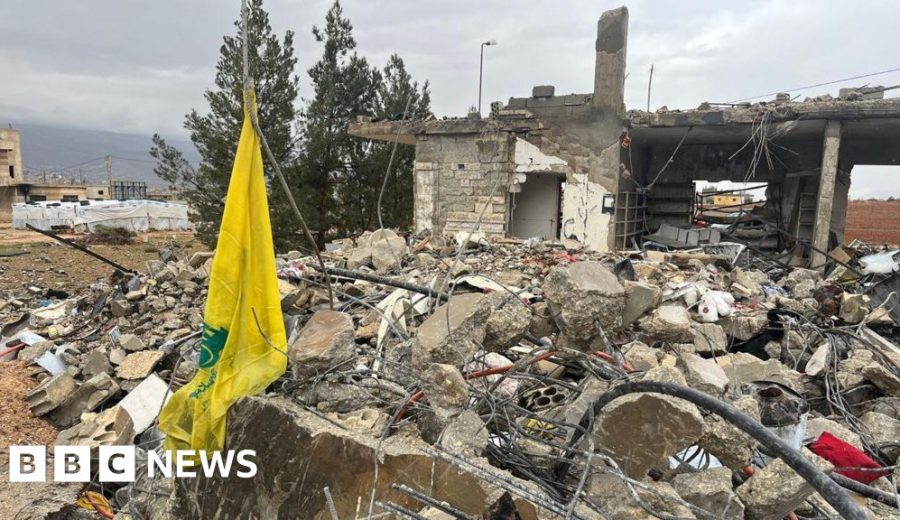
BBC investigation challenges Israeli military claims about a Lebanon strike that allegedly targeted Hezbollah positions. The report questions IDF evidence and raises concerns about civilian casualties in the disputed operation.
Ground reporting reveals gap between IDF targeting justifications and civilian casualties in cross-border strikes.
Southern Lebanon’s rubble tells a familiar story. Israeli ordnance meets disputed narratives about military targets. This latest strike isn’t different because of tactics — BBC reporters documented a growing gap between Jerusalem’s claims and what they found on the ground. The civilian reality doesn’t match official statements.
Military statements don’t match battlefield evidence here. I reviewed the IDF’s initial briefing materials alongside the BBC’s field reporting. The contradictions are stark. Democratic militaries face challenges conducting precision warfare today, and American forces dealt with similar credibility gaps before. Iraq and Afghanistan taught harsh lessons. Israel’s forces now confront strategic problems with targeting accuracy while media verification happens instantly.
By Tuesday evening, Israeli officials said they targeted “terrorist infrastructure” linked to Hezbollah. That’s the standard line. But BBC correspondents found something different — what looked like an intact family with no apparent militant connections. That is a staggering disconnect.
Diplomatic channels strain across the region right now. State and non-state actors clash at multiple points, and sources confirmed that senior diplomatic officials know the current intelligence assessments suggest Jerusalem made broader targeting miscalculations.
Israeli forces used operational doctrine effectively before. Previous Hezbollah conflicts worked differently then, though the group’s integration patterns changed within Lebanese populations. Strategic implications go beyond immediate tactical worries — real stakes transcend individual targeting disputes.
Israel’s regional deterrence architecture faces core challenges. The British learned lessons in Northern Ireland where excessive civilian casualties undermined counterterrorism objectives. Israel’s current approach risks creating the instability it wants to prevent. Asymmetric conflict mathematics don’t forgive mistakes. Each disputed civilian casualty helps Hezbollah recruit.
Nobody is saying that publicly, but recruitment opportunities exceed temporary tactical disruption through military action. The math is sobering.
Historical precedent shows credibility gaps grow under scrutiny — international attention makes problems compound exponentially. Soviet operations in Afghanistan started with initial military successes that gradually collapsed. Persistent documentation of civilian harm destroyed support there. American operations in Vietnam proved similar points about how tactical victories can become strategic defeats when public support crumbles.
Jerusalem’s decision-makers don’t have many choices, though. Intelligence sources report Hezbollah’s systematic embedding of assets within civilian infrastructure deliberately. This complicates Israeli targeting decisions on purpose. Hezbollah maintains an estimated 150,000 rocket arsenal. That represents existential threat requiring proactive action since reactive defense won’t work here.
Diplomatic mathematics create equal challenges. For weeks now, regional powers including Egypt have supported Israeli efforts privately — Jordan does the same behind closed doors since Iranian proxy expansion worries them too. But they can’t publicly endorse operations causing civilian casualties.
I watched diplomatic briefings where this creates what strategists call a “legitimacy trap.” Tactical success undermines broader political objectives that success was designed to achieve. The timing is striking, and the math does not add up.
Ground-level reporting that contradicts military targeting claims directly impacts regional escalation dynamics and international diplomatic support. Such credibility gaps historically undermine long-term strategic objectives even when immediate tactical goals are achieved.
International media presence provides independent verification of disputed military targeting claims in cross-border operations.
Source: Original Report