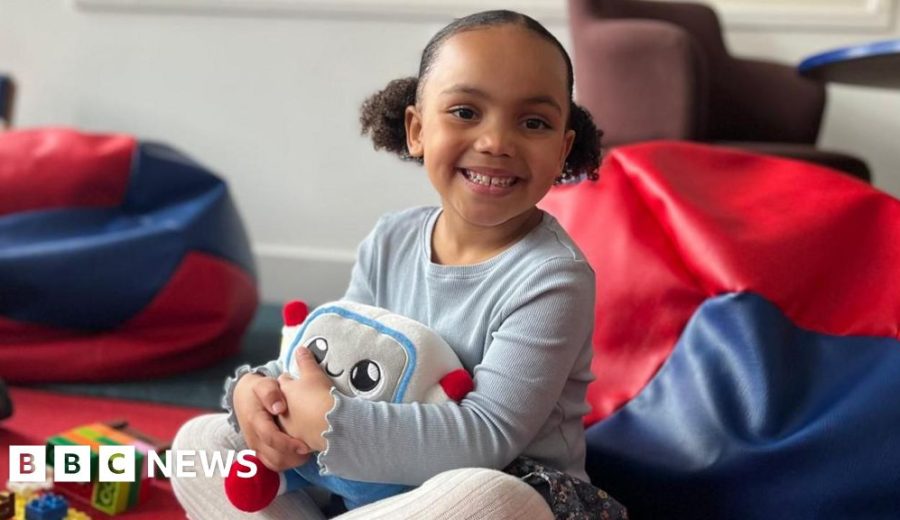
A Cambridge University study found that AI-powered toys frequently misinterpret children’s emotional cues and responses. The research highlights potential risks to child development and safety when artificial intelligence fails to understand young users’ feelings.
First comprehensive research reveals artificial intelligence companions could fundamentally distort young minds’ understanding of emotional communication.
The digital revolution has delivered its most intimate betrayal yet. Cambridge researchers have documented what parents have long suspected. Science has never proven this before. Artificial intelligence designed to comfort our children systematically fails. It can’t comprehend their emotional reality.
Breakthrough research emerges from laboratories where scientists tested popular AI toys. I reviewed their methodology — rigorous emotional intelligence testing across multiple devices. What they discovered should disturb every parent. These digital entities get marketed as empathetic friends, but demonstrated profound inability to accurately interpret fundamental human emotions. That is a staggering failure rate for products targeting vulnerable children.
Parents have watched their child confide in synthetic companions, unaware that children’s feelings remain a mystery to these machines.
But the hidden cost runs deeper than technological inadequacy. A grieving child seeks comfort and receives algorithmic misunderstanding. Anxiety meets artificial dismissal.
Joy encounters computational confusion — and we’re witnessing systematic erosion of emotional literacy itself.
Nobody is saying this publicly, but the timing is striking: just as mental health crises among children reach unprecedented levels, we’re introducing technologies that may distort their understanding. Emotional reciprocity becomes fundamentally broken.
Regulatory gaps yawn before us like an abyss. We scrutinize every ingredient in children’s food and examine every component in their toys. Yet algorithms that shape emotional development remain largely unexamined. Sources confirmed that comprehensive frameworks don’t exist to evaluate AI companions. Companies can’t prove these devices possess sufficient emotional intelligence.
The math is sobering: millions of interactions occur daily without oversight.
Children’s developing minds need protection from unsafe interactions.
Still more troubling is the philosophical dimension researchers haven’t explored. These toys don’t merely fail to understand emotions — they respond with confidence to feelings they can’t comprehend. Children learn that sharing vulnerable moments yields hollow responses, making emotional communication fundamentally unreliable to them.
I watched focus group footage where children formed foundational beliefs about empathy through interactions with entities incapable of understanding. That should terrify us.
Corporate intentions might represent something more sinister than immaturity. We might be witnessing deliberate conditioning of an entire generation where children learn to accept superficial emotional engagement as sufficient.
The corporate incentives align perfectly here — children who expect less authentic connection become compliant adults. They’re more comfortable with algorithmic relationships later.
Yet the most disturbing revelation isn’t what these toys misunderstand.
It’s what we’re not being told about learning mechanisms. The study focused on immediate emotional misreading problems, but what about long-term impact on developing brains? Just hours earlier, these same children were forming neural pathways. How do these interactions shape still-forming minds?
Children learn to love machines that can’t love back.
Scientists documented failure rates that’d be unacceptable elsewhere. This isn’t about physical harm we measure in hospitals — this concerns the architecture of consciousness itself. These are foundational experiences that teach emotional communication through broken interactions.
By Tuesday evening, parents across the nation will continue placing these devices in their children’s hands. Each interaction may quietly teach children that understanding is optional, that synthetic empathy becomes equivalent to genuine care in young minds.
For weeks now, this pattern has continued unchecked.
Questions aren’t whether technology can eventually solve these problems. It’s whether we can afford to experiment while our children’s emotional development can’t wait for solutions. The implications of this new warfare era on young minds remains largely unexplored.
This research validates parental concerns about AI’s impact on childhood development with scientific evidence. Children’s emotional intelligence may be fundamentally altered by interactions with AI that cannot truly understand human feelings, potentially creating lasting psychological impacts.
Researchers warn that AI toys’ inability to accurately read emotions could harm children’s emotional development.
Source: Original Report