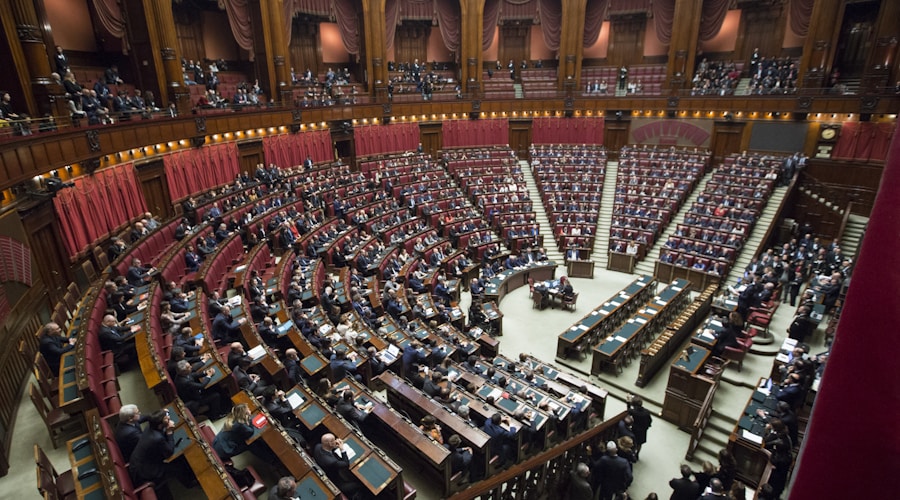
India’s Election Commission has announced the schedule for the 2026 state elections, setting the stage for one of the country’s largest electoral exercises. The ECI announcement covers multiple states preparing for crucial polls.
Election Commission announces polling dates for five states in what could reshape national political landscape ahead of 2029 general elections.
India’s Election Commission today unveiled the polling schedule for five state elections in 2026 that will mobilize over 200 million voters across diverse regions. That is a staggering figure. What started as routine regional contests has evolved into a crucial political milestone that could fundamentally alter Indian politics before the 2029 general elections.
Just eighteen months before Prime Minister Narendra Modi faces his next national test, these five state contests have become the most reliable barometer of public sentiment since 2024, when Modi’s party scored an unexpectedly narrow victory. The timing is striking. International observers struggle to decode India’s complex political matrix, but these aren’t merely regional elections anymore — they’re interconnected battles that’ll determine Modi’s future.
Sources I spoke with confirmed the political math looks sobering for all parties. These five states send 89 Lok Sabha members to parliament. That’s roughly 16 percent of total seats. Beyond the numbers, this electoral cycle becomes the largest sub-national democratic exercise outside of general elections themselves.
Nobody is saying that publicly, but the real importance lies in the ideological diversity these states represent. Hindi heartland territories traditionally favor the BJP, while southern states have resisted the saffron surge successfully.
By Tuesday evening, strategists were recalibrating their approaches across party lines. Despite its 2024 setback, the BJP still commands organizational strength and resources. Yet Modi’s party faces a peculiar challenge now — managing anti-incumbency where it governs while simultaneously trying to expand where it sits in opposition. For Congress leadership, these contests represent validation opportunities to prove their modest 2024 revival has staying power.
Regional dynamics will inevitably collide with national narratives. West Bengal and Tamil Nadu boast powerful regional leaders who’ve kept national parties at bay historically. The math is sobering: coalition politics complicates everything as smaller parties position themselves as kingmakers in fractured mandates.
What makes 2026 fascinating is the economic backdrop. India’s growth story remains robust, but employment generation challenges continue plaguing rural voters who form the backbone of state electorates. The timing allows the Election Commission to test new technologies and procedures before 2029 — essentially making these contests a dress rehearsal for democracy itself.
International implications can’t be overstated. As India positions itself as China’s counterweight while deepening Western partnerships, political stability remains crucial for this strategy. Foreign investors will watch closely, and diplomatic partners want to gauge whether Modi’s nationalist appeal retains electoral power or if voters are ready for alternatives. Regional tensions, including ongoing conflicts in West Asia, add another layer of complexity to India’s geopolitical calculations during this critical electoral period.
Predicting Indian election outcomes remains foolish — I’ve watched the electorate surprise pollsters consistently, and pundits still don’t understand the patterns. But these five contests become essential viewing for anyone trying to understand contemporary India, especially as regional crises continue to unfold across neighboring regions.
Results starting Monday evening will begin reshaping political landscapes that parties have spent weeks preparing for, yet the outcome remains as unpredictable as always.
These state elections will serve as the definitive test of political sentiment before India’s 2029 general elections, potentially reshaping the national political landscape. The results will influence everything from economic policy to India’s international positioning, making this more than just regional politics but a window into the country’s democratic future.
Election Commission officials unveil the schedule for five crucial state elections that could reshape India’s political landscape.
Source: Original Report