At least 139 migrants have died and 84 are missing after a boat carrying 305 people from Djibouti towards Yemen capsized in the Gulf of Aden, the UN migration agency says. About 82 people survived. It is one of the deadliest shipwrecks recorded on the so-called Eastern Route.
The International Organization for Migration (IOM) said on Sunday, October 11, that the death toll from a shipwreck off Djibouti had risen to 139, with 84 people still missing. UN News and Al Jazeera reported the figures.
What Happened
- The boat was carrying 305 people from Djibouti towards Yemen
- It capsized near Guehere, north of Obock, on Djibouti’s eastern coast in the Gulf of Aden, from Thursday night to before dawn on Friday, according to survivors quoted by IOM
- About 82 people survived; Al Jazeera reported they were all Ethiopians
- The dead include 15 children
- The toll rose from 109 after the bodies of 30 more people were recovered; search and recovery continues
IOM said the count only includes people buried by the Djibouti authorities. Others have been buried by the migrants themselves and will not be added until the bodies can be verified.
A Dangerous Route
IOM described the sinking as one of the deadliest on the Eastern Route, which runs from the Horn of Africa to the Arabian Peninsula. Crossing the Bab al-Mandeb strait, which is only about 20 kilometres wide at its narrowest, is a popular but dangerous route for thousands of people seeking work and safety in Gulf countries.
Last year more than half a million people tried to move along this route into Yemen, and at least 900 died or went missing, according to IOM.
Moving Despite War
Migrants are still heading for the Gulf despite the US-Israel war on Iran and the resumption of fighting in Yemen between government forces and Houthi fighters last month. Since September 10, IOM has recorded:
- more than 20,000 movements into Djibouti from Ethiopia
- more than 3,700 refugees arriving from Yemen
- 539 Ethiopian migrants returning from Yemen
IOM’s chief of mission in Djibouti, Alexandre Coissac, said earlier this month that the country faces “overlapping emergencies”, with more than 3,000 migrants stranded along its routes between September 20 and 30.
What the UN Said
“No one gets into a boat like that unless they believe there is no other safe way,” said IOM Director General Amy Pope. “We cannot keep treating these deaths as normal. Safe and legal pathways save lives.”
IOM is providing healthcare, psychosocial support, food and shelter to survivors at its Migrant Response Centre in Obock.
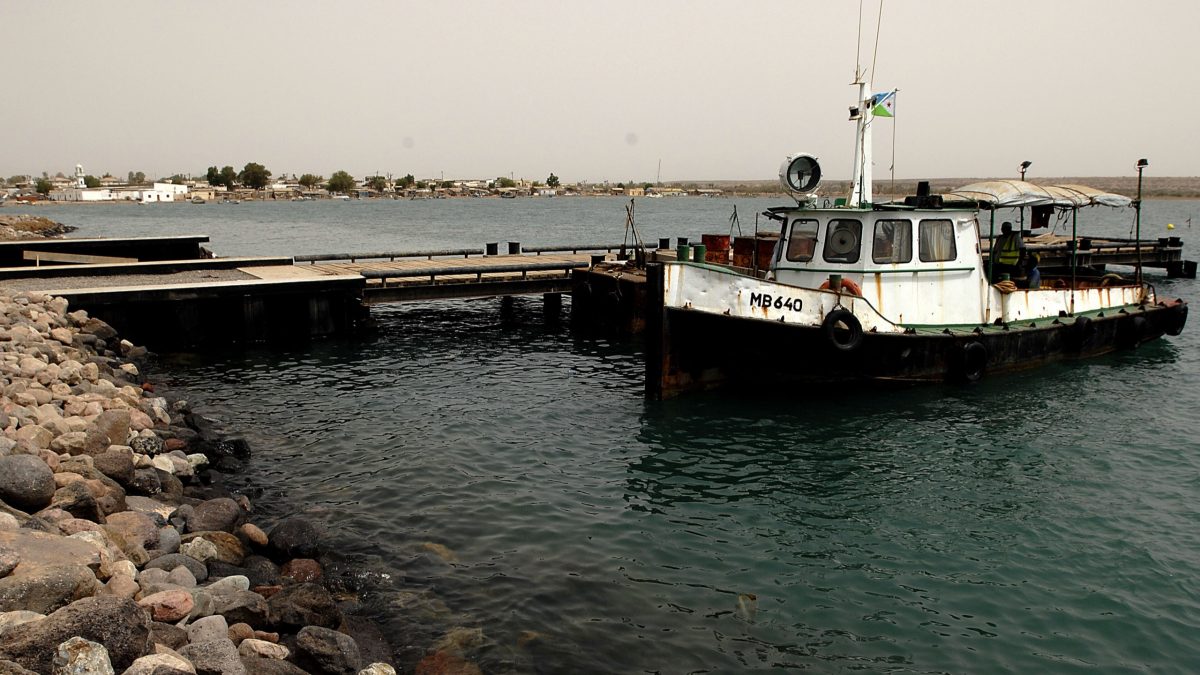
Image: The port of Obock, Djibouti (file photo). Photo: MC1 Robert Ressler / U.S. Navy / Wikimedia Commons (public domain)