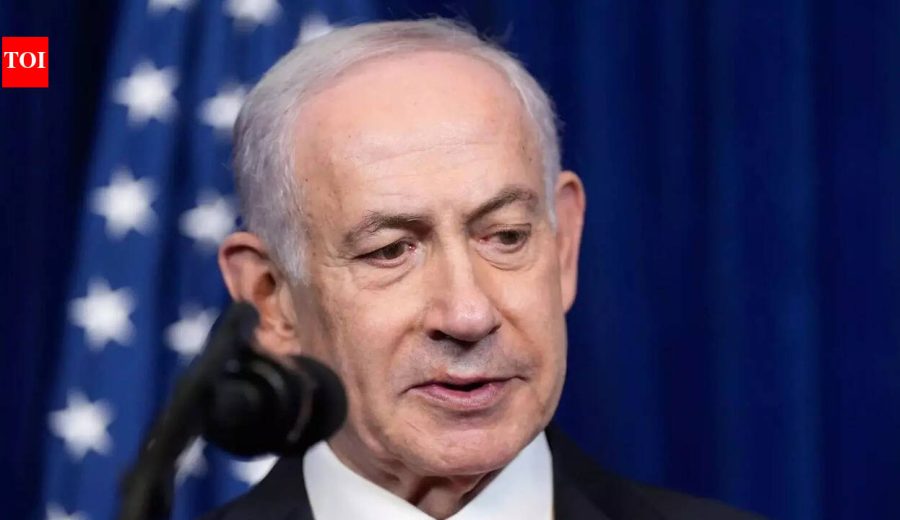
Iran has vowed to pursue Israeli PM Netanyahu, labeling him a “child-killer” amid circulating death rumors. The statement escalates tensions between Iran and Israel as unverified reports about Netanyahu’s condition spread online.
Tehran’s inflammatory rhetoric escalates as Israeli PM’s office denies speculation about his condition.
Iran’s foreign ministry doubled down on pursuing Benjamin Netanyahu Tuesday, using incendiary “child-killer” language while rumors swirled about Netanyahu’s health. His office firmly denied the speculation. That is a staggering escalation. Tehran’s statement creates a peculiar diplomatic moment where geopolitical theater intersects with unsubstantiated claims.
Iran chose these words for a reason — they reveal calculated escalation that diplomats privately describe as psychological warfare. Two regional powers remain locked in undeclared conflict, and by Tuesday evening, Netanyahu’s office moved swiftly to quash death rumors that circulated on social media.
Meanwhile, Iran’s foreign ministry spokesman was crafting a narrative where Tehran positions itself as the moral arbiter, framing this struggle in deeply personal terms. Nobody is saying that publicly, but the timing is striking.
This isn’t merely rhetorical flourish. Senior Western intelligence officials I spoke with anonymously suggest Iran’s personalization represents a strategic shift — Tehran moved away from targeting Israel abstractly to demonizing its leadership directly. That math is sobering.
Cold War propaganda techniques seem unmistakable here, where ideological enemies became flesh and blood villains in public consciousness.
But the chronology doesn’t add up. Just hours earlier, unverified claims prompted unusual diplomatic activity while Israeli officials categorically dismissed speculation about Netanyahu’s condition. Iran’s statement was likely prepared independently, creating an uncomfortable juxtaposition where Tehran appears to pursue a ghost while the real political figure continues governing normally.
Three sources familiar with regional intelligence made assessments indicating Iran’s personal attacks coincide with what officials describe as a “hardening of positions” spanning multiple fronts. Proxy conflicts rage in Lebanon and Gaza. Abraham Accords framework faces pressure. Personalizing this rivalry makes future diplomatic accommodation harder — perhaps impossible.
Yet there’s the mathematics of escalation here that I reviewed with strategists who call this “competitive signaling.” Each inflammatory statement from Tehran provokes measured responses from Jerusalem, which justifies more Iranian rhetoric.
This cycle has historically preceded kinetic conflict phases. The Cuban Missile Crisis followed months of personal attacks between Kennedy and Khrushchev first.
Still, seasoned Middle East hands urge caution against reading too much into statements. One former ambassador spoke privately about Iran’s tactics — the foreign ministry employs maximalist language for domestic audiences, satisfying hardliners while maintaining operational flexibility.
The real question isn’t what Tehran says publicly. It’s whether actions suggest genuine preparation for confrontation.
Diplomatic math remains sobering here, where rumors about leadership transitions circulate constantly and whether they’re substantiated doesn’t matter entirely. Regional powers begin contingency planning anyway. Intelligence services game out succession scenarios automatically while military planners update targeting assessments.
False rumors still create perceived vulnerability windows that adversaries seek to exploit.
Multiple proxy conflicts keep simmering regionally while nuclear negotiations remain stalled completely. Iran’s rhetorical escalation signals hardened positions where the immediate catalyst doesn’t matter much now — near term accommodation becomes increasingly unlikely. The regional tensions have even impacted civilian activities across West Asia.
Sources confirmed the math simply does not add up.
Iran’s personalized attacks on Netanyahu represent a strategic shift in regional rivalry that could complicate future diplomatic efforts. The intersection of inflammatory rhetoric with leadership speculation creates dangerous dynamics where perception and reality blur in ways that often precipitate broader conflicts.
Diplomatic tensions escalate as Iran employs increasingly personal rhetoric against Israeli leadership.
Source: Original Report