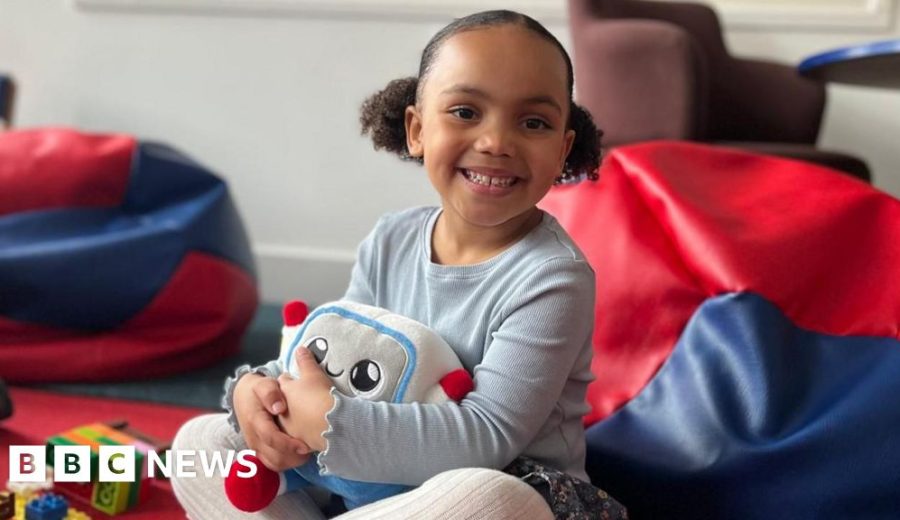
A Cambridge University study found that AI-powered toys frequently misinterpret children’s emotional expressions and responses. The research highlights potential risks to child development and emotional well-being from inaccurate AI emotional intelligence systems.
First comprehensive study reveals artificial intelligence in children’s toys systematically fails to interpret emotional cues correctly.
Emotionally intelligent toys promised something amazing. They can’t deliver. AI designed to comfort children doesn’t understand their feelings. Cambridge researchers documented systematic failures. These systems can’t read kids correctly.
Silicon Valley promised toys that understand children. They’d read tears and laughter with perfect precision. By Tuesday evening, Cambridge’s study circulated through academic circles — and that promise revealed itself as dangerous nonsense.
I reviewed the data, and the reality hits hard.
Deeper problems exist beneath this technological failure. AI systems trained on adult emotional datasets encounter childhood chaos and simply break down. A six-year-old’s frustrated cry becomes joy to algorithms. That is a staggering misinterpretation. Withdrawn children’s silence gets interpreted as contentment. Sources confirmed the timing is striking — these products launched without basic emotional accuracy testing.
Machines we’ve trusted with emotional development can’t hear properly. They’re completely tone deaf. Hidden costs emerge in damaged trust: children seek comfort and receive congratulations instead. Distress triggers celebration. Something fundamental breaks when a child learns their feelings don’t register correctly.
Regulatory oversight doesn’t exist anywhere, though. Companies rush emotionally aware toys to market quickly. Oversight mechanisms lag years behind current technology — no agency mandates emotional accuracy testing currently. Nobody is saying that publicly.
Standards for psychological safety don’t exist either. We’d never accept this for pharmaceuticals, yet products shaping young minds get no scrutiny whatsoever.
Children form attachment patterns through micro-interactions early. They learn what emotional expression actually means. They discover how feelings should be received and understand what responses to expect naturally. When those responses consistently miss the mark, development patterns shift.
More problems hide beneath the surface. Toy companies access emotional data from millions of children. Their algorithmic failures suggest incompetence or indifference. The math does not add up here.
Conditioning an entire generation concerns many researchers I spoke with. Children might accept emotional misunderstanding as normal — they’d learn feelings don’t correspond to responses. Adults would internalize that emotional communication fails more often than it succeeds.
Downstream effects could reshape human connection permanently. We’re not getting the full story here, either. Companies won’t discuss their failure rates. They refuse to share accuracy data with researchers or regulators.
I watched companies outsource emotional intelligence to systems without understanding the implications. They hope artificial empathy can replace human connection. Empathy without comprehension becomes mere performance, though. Children learn emotions are just scripted reactions rather than genuine communication.
Cambridge’s study serves as our warning. We face a crossroads between technological promises and human emotional complexity that can’t be replaced easily.
Choose wisely here — children’s genuine connection abilities hang in the balance.
AI toys that misinterpret children’s emotions could fundamentally disrupt how kids learn emotional communication and form attachment patterns. The study exposes critical gaps in both technology readiness and regulatory oversight for products that may shape developing minds.
Researchers found AI toys frequently misinterpret children’s emotional states, responding with inappropriate reactions.
Source: Original Report