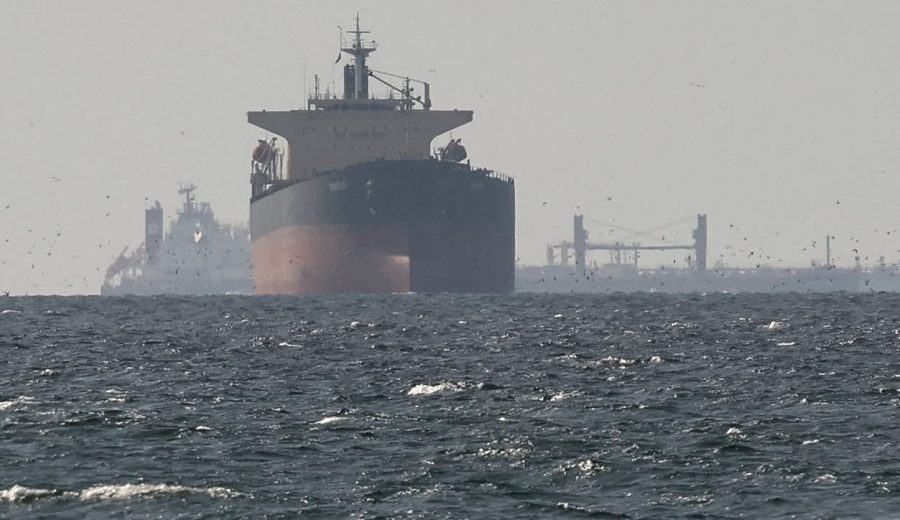
Escalating Iran tensions tied to Trump administration policies and Israel relations are creating significant risks to global semiconductor manufacturing. The crisis threatens supply chains for advanced 3nm chip nodes critical to AI, smartphones, and defense systems. Geopolitical instability in the Middle East could disrupt essential semiconductor production and distribution networks.
Escalating military threats could disrupt semiconductor manufacturing just as TSMC ramps advanced production.
Taiwan Semiconductor Manufacturing Company just achieved stable 3-nanometer production yields above 70 percent. Now geopolitical tensions involving Iran present an unprecedented risk to global chip supply chains. The semiconductor industry’s most advanced manufacturing processes face potential disruption as military escalation threatens critical shipping lanes and regional stability.
Timing couldn’t be worse for the semiconductor industry. TSMC’s flagship N3 process node features gate-all-around nanosheet transistors with 16-nanometer fin pitch, representing the pinnacle of extreme ultraviolet lithography manufacturing. This technological achievement comes precisely when geopolitical instability threatens the delicate global network that sustains advanced chip production.
EUV Lithography System Costs and Wafer Production — Delima News Data
Mathematics here are sobering. Each N3 wafer requires approximately 50 EUV lithography steps, with each ASML Twinscan NXE:3600D system costing $200 million and producing just 170 wafers per day. That’s a staggering investment just to get started. Consider that a single advanced smartphone processor demands 15 critical materials sourced from 12 different countries — any disruption to shipping lanes becomes a supply chain nightmare.
But Iran’s situation presents unique challenges beyond typical geopolitical risks. The Strait of Hormuz handles 21 percent of global petroleum liquids, but more critically for the chip industry, it’s a key transit point for rare earth elements and specialty gases essential to fab operations. Xenon difluoride, used in silicon etching, and ultra-high-purity neon for ArF excimer lasers both transit these vulnerable shipping channels. Nobody’s talking about alternative routes publicly.
Fab economics are particularly brutal at advanced nodes. Samsung’s new P2 line in Pyeongtaek represents a $17 billion investment optimized for 3nm production, with monthly operating costs exceeding $400 million. Any supply disruption that forces production halts costs approximately $2.3 million per hour in lost output. The math is sobering. Industry executives learned this lesson harshly during the 2011 Fukushima disaster, when Shin-Etsu Chemical’s silicon wafer production stopped, triggering monthslong shortages.
By Tuesday evening, spot prices for 300mm silicon wafers had already increased 3.2 percent as traders anticipated potential supply constraints. Ripple effects extend beyond raw materials to finished products. Apple’s A17 Pro processor, manufactured on TSMC’s N3B process, requires 92 days from wafer start to packaged chip. Any disruption now affects Q1 2024 iPhone production volumes.
Lithography bottlenecks amplify these concerns exponentially. ASML’s EUV systems contain over 100,000 components sourced globally, including specialized mirrors requiring six months of manufacturing time. The company’s Veldhoven facility maintains just 30 days of critical component inventory. That makes the entire advanced node ecosystem vulnerable to extended supply disruptions. The timing here is particularly striking.
Yet the industry has few alternatives. Intel’s 18A process remains in risk production, while Samsung’s SF3 node struggles with yield issues below 50 percent. TSMC’s N3 family stands as the sole viable option for cutting-edge processors. This concentrates risk in Taiwan just as regional tensions escalate.
Correlation between geopolitical stability and semiconductor advancement has never been clearer. Moore’s Law progression depends not just on physics and engineering breakthroughs, but on the free flow of materials, equipment, and expertise across borders. Any prolonged conflict disrupting these networks could delay the industry’s roadmap by 18 to 24 months.
Still, executives haven’t announced any concrete contingency plans. For weeks now, supply chain managers have quietly mapped alternative shipping routes and inventory stockpiles. They’ve run these calculations before — and the numbers don’t look good.
Semiconductor manufacturing represents the most complex global supply chain ever created, vulnerable to any disruption in international shipping or materials sourcing. Advanced chip production delays would cascade through every technology sector, from smartphones to data centers, potentially triggering another global chip shortage.
TSMC’s advanced 3nm chip production relies on complex global supply chains now threatened by regional conflicts.
Source: Original Report