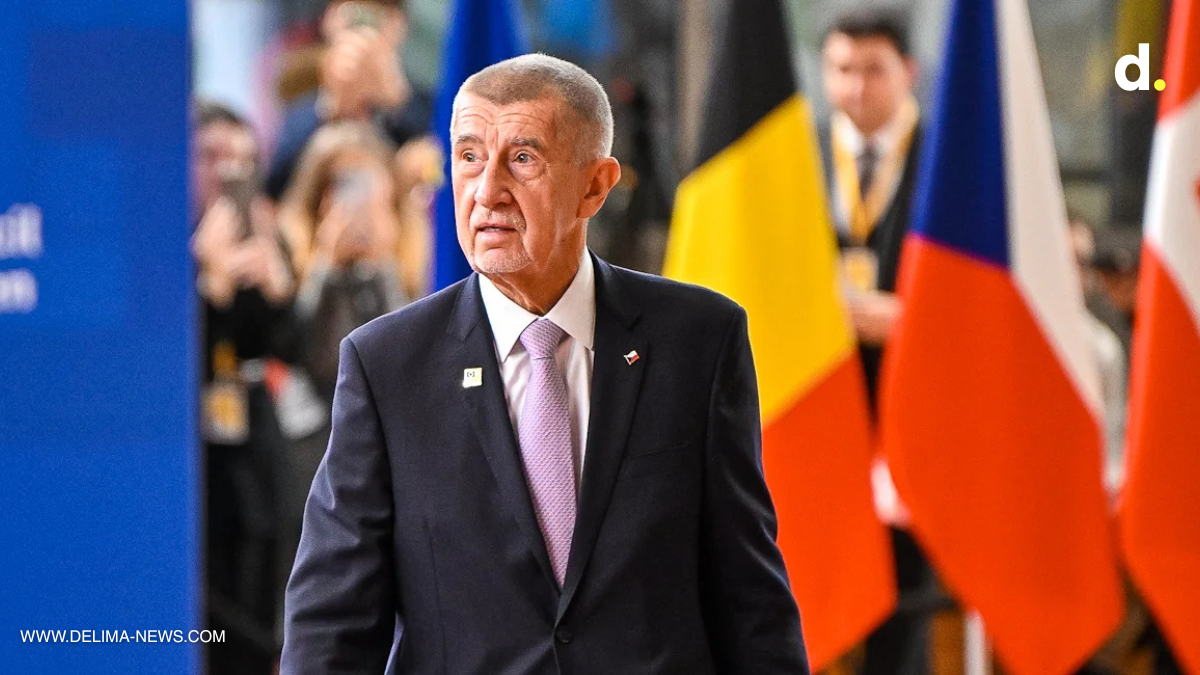
Andrej Babiš’s ANO movement won three seats in the second round of the Czech Senate elections on October 16 and 17 and will have five senators in the 81-seat upper house, according to the Czech News Agency. ANO received 32.82 percent of all votes cast in the second round, in which turnout was 19.44 percent. Babiš said: “We clearly won the municipal elections… We lost the second round of the Senate.” The first round on October 9 and 10 had left 22 of the 27 contested seats to be decided in runoffs, with only five candidates winning outright, four of them from the opposition, The Associated Press reported.
The case that the result is a defeat for ANO begins with the numbers. ANO’s best Senate runoff result was four seats in 2014, and this year it won three, so it did not match even that earlier peak, the Czech News Agency noted. It also did not win in Prague in the local elections, and it won six regional capitals, down from eight in 2022, according to the AP. The Senate was already held by the opposition, and 27 of the Senate’s 81 seats were up for election, with five decided in the first round. The AP reported that opposition candidates, in broad coalitions of pro-Western parties, were the main beneficiaries, with 26 opposition candidates reaching the runoffs, ahead of ANO’s 13. Babiš himself said the party lost the Senate runoff. He also said he did not run for the Senate and never will, rejecting claims that he personally lost the elections.
The case that ANO retains real strength is in the vote shares and the individual results. Its 32.82 percent of second-round votes means roughly one in three voters who went to the polls supported an ANO candidate, even though the party won only three of the contested seats. Jana Nagyová, a candidate who was relatively unknown, received the second-highest number of votes of any Senate candidate, and Věra Procházková, a physician, won in Karlovy Vary. ANO also won six regional capitals in the local elections, as Babiš stressed, and the elections were the first test since his October 2025 parliamentary victory, when he formed a government with two smaller parties, so a mixed result in the Senate does not undo that win.
The result matters for the Czech Republic because the Senate is held by the opposition, which gives it a check on the government. With five senators out of 81, ANO holds about 6 percent of the chamber, and the opposition’s broad coalitions of pro-Western parties showed that they can combine their votes in runoffs. A turnout of 19.44 percent in the second round also shows how few voters decide Senate seats, which makes the contests sensitive to local organisation. For Europe, the vote is a measure of how far the populist politics that Babiš represents can expand in a country where the upper house is a counterweight.
ANO won a third of the runoff vote but only three seats, and its leader admits it lost. The Senate remains a check on the government, and the next national tests will show whether local strength turns into national gains.