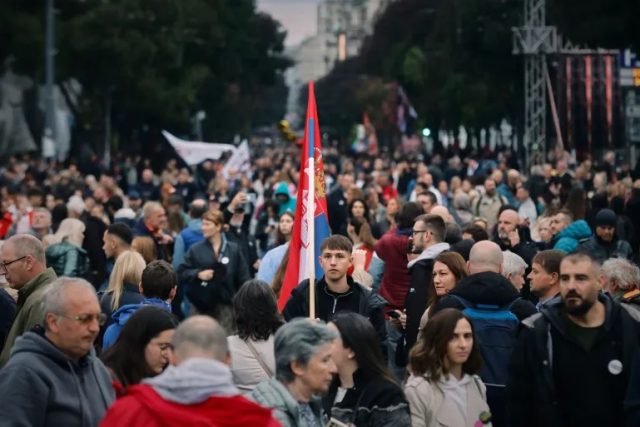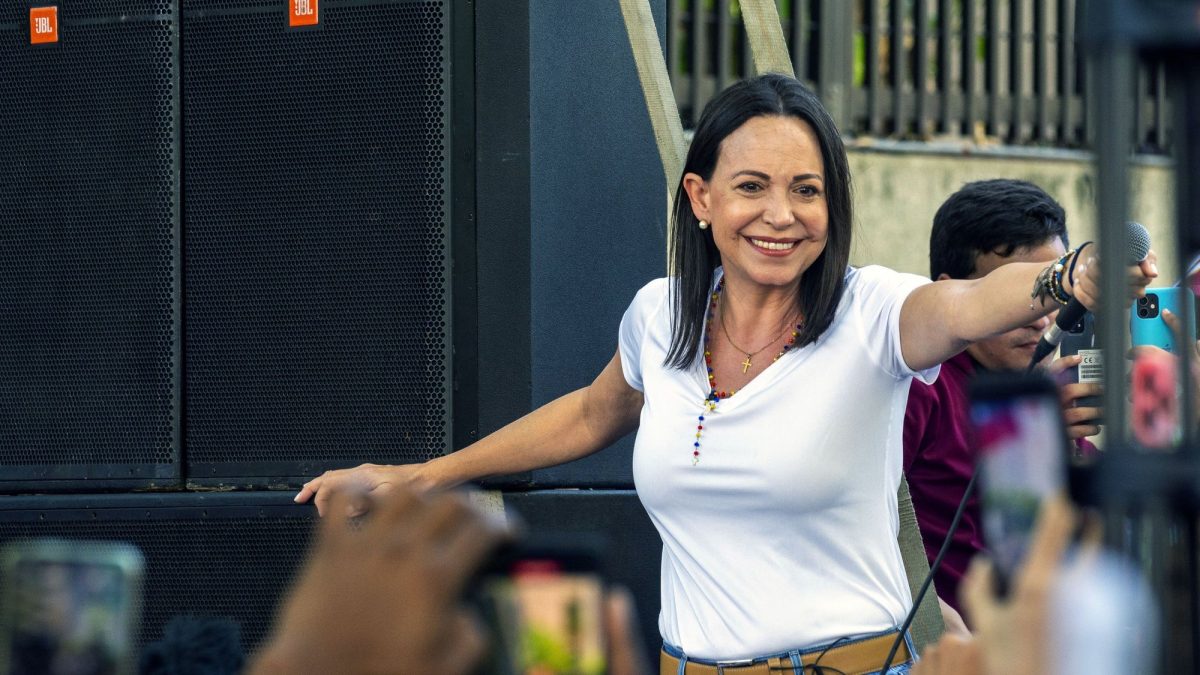
Venezuelan opposition leader and Nobel Peace Prize laureate María Corina Machado returned home on 25 October, announcing “I am here. With you.” on social media. It was her first public appearance since December, according to the Associated Press. She went first to a church in Lara state, where dozens applauded, and reached Caracas late that night as thousands joined or waited for her caravan. Her return is a political event, but not yet an electoral one: no presidential election is scheduled, and the acting government remains in place.
The case that the return marks a turning point begins with how hard it was. Machado was briefly detained in January 2025 and then spent 11 months in hiding in Venezuela before a clandestine escape, reappearing in Norway in December to receive the Nobel Peace Prize. Her party says she made seven unsuccessful attempts, including a charter boat whose operator cancelled and a flight to Curaçao that was denied landing permits. Secretary of State Marco Rubio said the conditions that allowed her return were “the direct result” of US-supported reconciliation talks. Supporters held demonstrations in Caracas demanding she be allowed back. The legitimacy of her cause rests on 2024: AP says credible evidence showed Edmundo González defeated Nicolás Maduro by more than two to one, although the National Electoral Council declared Maduro the winner, and more than 2,000 people were detained in the days afterwards. Machado and her allies are demanding a date for a presidential election.
The case against reading too much into it is that the structure of power has not changed. The US military deposed Maduro in January, and he was captured in Caracas and taken to New York to face drug-related charges, which he denies. Delcy Rodríguez, a Maduro ally backed by the Trump administration, became acting president. She was initially to serve 90 days but remains in office, and the National Assembly never voted to extend her term. Rodríguez told the UN General Assembly in September that Venezuelans will decide the “right moment” for the next election. Rubio has argued that Venezuela must stabilise its economy and rebuild institutions, including courts and the electoral council, before new elections. Trump said he knew nothing about the return but called Machado “a very nice woman” and said he hoped she was safe. Venezuelan authorities deny blocking Machado’s return, and US officials say they have advised her against returning for safety reasons on some occasions. Opposition figure Edmundo González, whom AP says defeated Maduro in 2024, had not yet joined her and said he would be at her side “very soon.”
For Venezuela and for Washington, the central issue is sequencing. If elections wait until institutions are rebuilt, the government’s timetable decides when, and Machado’s supporters see delay as a way to avoid a vote the opposition says it has already won. The more the United States presses for stability first, the more it owns the outcome of an interim government nobody voted for, and the more it must explain why the reconciliation talks it credits for Machado’s return have so far produced no election date.
Machado is home, and the argument about when Venezuelans vote has moved from exile to the streets of Caracas.