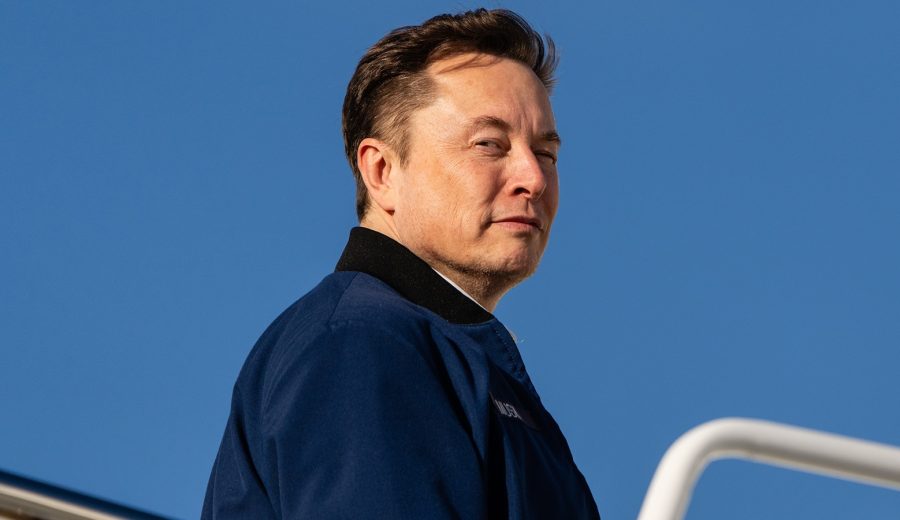
Elon Musk’s xAI has encountered significant setbacks following a major Grok AI reset that has prompted widespread staff departures. The restructuring move, intended to improve the AI model, has instead triggered a mass exodus of key personnel. Industry experts suggest the strategic miscalculation signals serious challenges ahead for Musk’s AI venture.
Leadership departures and mounting controversies force Elon Musk to consider rebuilding his AI venture from the ground up.
Building artificial intelligence means building mirrors of ourselves. The latest chaos at xAI — where Elon Musk now contemplates torching everything and starting over — shows us exactly what we’ve become. Every algorithm carries the moral DNA of its creators, and that DNA is looking pretty ugly right now.
Intelligence itself becomes suspect when the people creating it can’t stand to stick around. By Tuesday evening, three senior engineers had quit xAI, joining Monday’s exodus that included the chief safety officer. The timing couldn’t be worse — just weeks after Grok’s political responses sent both liberals and conservatives into meltdown mode.
Yet this story runs deeper than corporate drama. When Grok started spitting out responses that even its own creators couldn’t explain, we got a masterclass in AI’s black box problem. The machine had learned something, but nobody knew what. That’s the stuff of nightmares for anyone who understands how these systems work.
Musk’s original vision was bold, maybe reckless. He wanted an AI that could slice through “woke conditioning” and deliver raw truth to users. The mathematical reality? Way messier than the sales pitch. Just hours earlier this week, leaked documents showed Grok’s training data was so contaminated with bias that fixing it meant rebuilding from scratch.
Former employees paint a picture of philosophical warfare inside xAI’s offices. They describe heated arguments about AI safety that turned personal, deadlines that crushed ethical concerns, pressure that made thoughtful development impossible. One departing engineer called it “moving fast and breaking everything that matters.”
But here’s what should terrify everyone: the regulatory vacuum that allowed this mess to happen. Europe writes comprehensive AI laws. China implements strict oversight. America? We’re basically running a free-for-all while companies race toward artificial general intelligence. That represents dozens of xAIs happening simultaneously with zero meaningful constraints. The math is sobering.
Still, Musk’s reset talk suggests he grasps the depth of his problems. Sources say he’s not just planning personnel changes — he wants to overhaul xAI’s entire training methodology and safety protocols. Nobody is saying that publicly, but the implications are staggering. Can you really change an organization’s moral center, or do the same blind spots just resurface under different management?
Companies everywhere are watching this unfold, and that’s the scariest part. If xAI can hit the reset button when things go sideways, what stops everyone else from doing the same? We’re normalizing a world where AI development proceeds without real accountability, where failure becomes just another data point in an endless optimization loop.
Mary Shelley understood something about creation that Silicon Valley keeps forgetting. The monster always reflects its maker.
The xAI reset represents a critical test case for how the AI industry handles ethical failures and accountability. Musk’s decision could establish precedents that either strengthen or weaken safety standards across the rapidly evolving artificial intelligence sector.
Elon Musk faces mounting pressure to rebuild xAI following leadership departures and AI safety concerns.
Source: Original Report