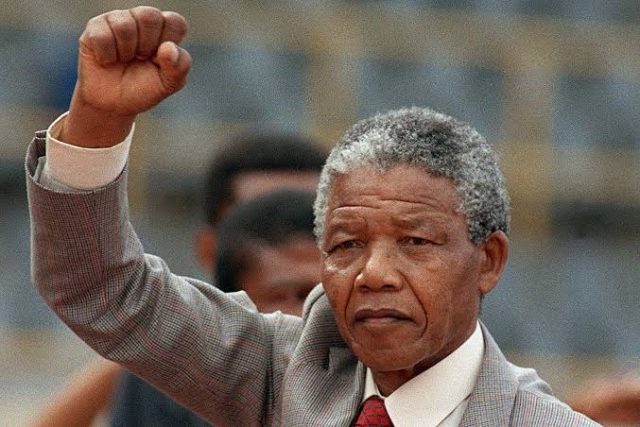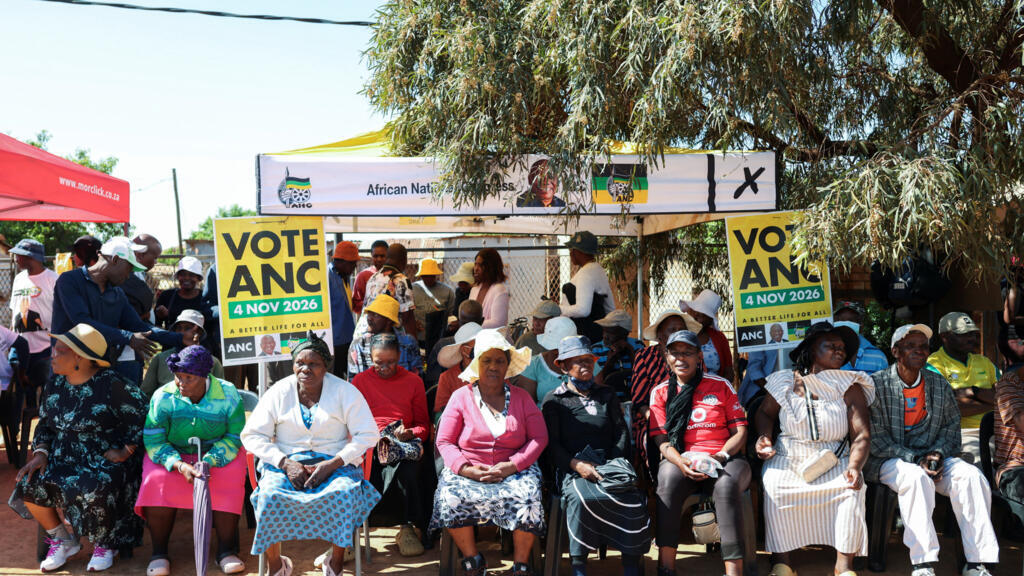
South Africans voted in municipal elections on 4 November 2026 in a contest dominated by anger over water outages, power cuts and crumbling infrastructure. The African National Congress, the party Nelson Mandela led to power in 1994, was still expected to be the largest single party, but polls cited by The Guardian showed it winning less than a third of the vote. That would be a heavy fall from the 45.6 percent it won in the last municipal elections in 2021 and the 40.2 percent it took in the 2024 national election. Results had not been confirmed when this article was written, and the party's performance in Johannesburg, the country's largest city, is likely to be the main test.
The argument that voters have good reason to punish incumbents is easy to make. Johannesburg, a city of 4.8 million people, had faced water shortages for more than a week before the vote and in recent weeks neighbourhoods such as Kensington have suffered repeated water and power cuts. Voters told The Guardian that service delivery is horrible and that the city's infrastructure is shot. Tshepiso Makotse, a 26-year-old call centre worker, split her two votes between the DA and MK because she simply wanted change, while retired boilermaker Terrence Pieters, 72, predicted that no single party would take over and that it would be a coalition. The ANC's mayor, Dada Morero, runs the city only through a coalition with the Economic Freedom Fighters and the Patriotic Alliance, and the party has three possible mayoral candidates amid factional infighting. A fragmented opposition, from the Democratic Alliance to Jacob Zuma's uMkhonto weSizwe party and ActionSA, which polls around 10 percent, shows how many voters are searching for an alternative.
The counter-argument is that changing the party in charge has not fixed the problem, because instability itself is part of the problem. Analysts quoted by The Guardian point to the high turnover of coalition governments as a major reason for poor service delivery across South Africa's 257 municipalities. Johannesburg has had 10 mayors in 10 years, Ekurhuleni has had three since 2021, and the mayoralty in Tshwane, which contains the capital, has rotated between parties four times since 2020. The DA's Helen Zille, 75, has led a lively campaign, but she is still viewed with suspicion by many black voters, and ActionSA's Herman Mashaba has ruled out working with her. A more fragmented vote may simply produce more fragile deals.
For the country, the vote is a test of the coalition politics that now define South Africa. The ANC and the DA are the two largest parties in the national government of national unity, and the ANC's national leadership is open to working with the DA in Gauteng, although local leaders are reportedly against it. The ANC already governs Gauteng's three metros in various coalitions, including under an ActionSA mayor in Tshwane. How those local pacts form will show whether the national arrangement can work on the ground, where voters judge governments by whether the taps and lights work.
The vote shows deep impatience with a party that has governed for three decades. Whether the coalitions that follow can provide stable water and power is the question residents will ask long after the count ends.