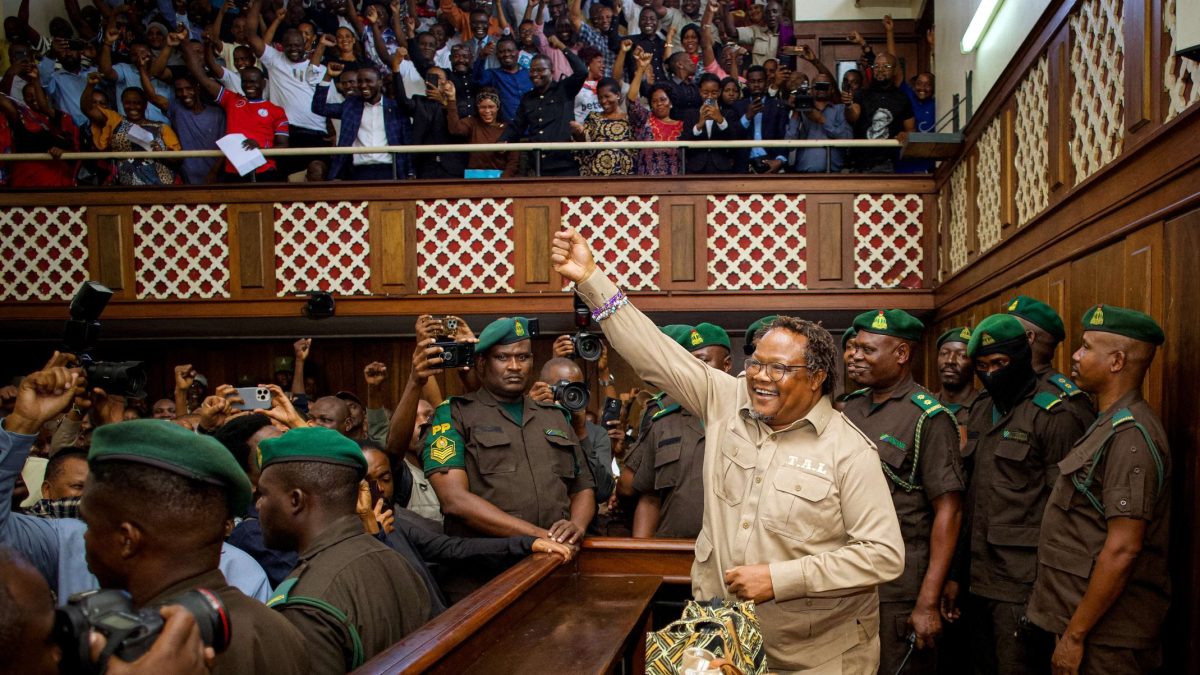
A High Court in Dar es Salaam has sentenced Tanzania's main opposition leader, Tundu Lissu, to four years in prison for inciting unrest, while acquitting him of treason. The 58-year-old leader of the Chadema party has been detained since April 2025 and had faced a charge that can carry the death penalty. The verdict on Friday ends the trial but not the controversy, and Lissu, who was shot 16 times in a 2017 assassination attempt that he believes was politically motivated, has been repeatedly arrested for opposing the government. The verdict is contested because Lissu says he was convicted of an offence he was never charged with, and rights groups and foreign lawmakers have called the case political.
Supporters of the ruling say the court acted within the law and showed restraint. A panel of three judges found that Lissu's slogan "No Reforms, No Election" was sufficient to convict him of incitement, ruling that he intended to disrupt the 2025 vote. The judges said prosecutors had failed to prove a key element of the treason charge, so the death penalty was never an option. The consequences of unrest were severe: a commission appointed by President Samia Suluhu Hassan reported in April that at least 518 people were killed in the protests that followed the October 2025 election. The government says the election was fair and denies targeting its opponents, and Lissu has leave to appeal to the Court of Appeal.
Critics argue the verdict is the latest step in a campaign against dissent. Lissu told the court that incitement "is an offence that you, honourable judges, have manufactured," and said he was not charged with it. Amnesty International called the conviction a "travesty of justice." Samia won the October 2025 election with 98 percent of the vote, but Lissu and her other main challenger were excluded, and the opposition dismissed the result as a mockery of democracy. The demands behind his slogan were modest, including independently appointed electoral commissioners and the ability to challenge presidential results in court. British and European Union lawmakers have called for his release.
The case matters well beyond one man. If the four-year sentence is upheld, Lissu would be ruled out of the next elections, due in 2030, leaving the country's main opposition party without its leader. Opposition groups and rights organisations put the death toll from last year's crackdown far higher than the official figure, and they say the space for dissent in Tanzania is shrinking. Tanzania's courts and its relations with Western partners will be watched closely in East Africa. Lissu twice went on brief hunger strikes in Ukonga Prison, saying he was denied access to his lawyers, which prison authorities deny, and he has said all along that the excuses for jailing him were manufactured.
The treason acquittal removes the worst outcome for Lissu, yet the conviction leaves him in prison and Chadema without its leader. The appeal will test whether Tanzania's judiciary can convince doubters that this was justice rather than politics.