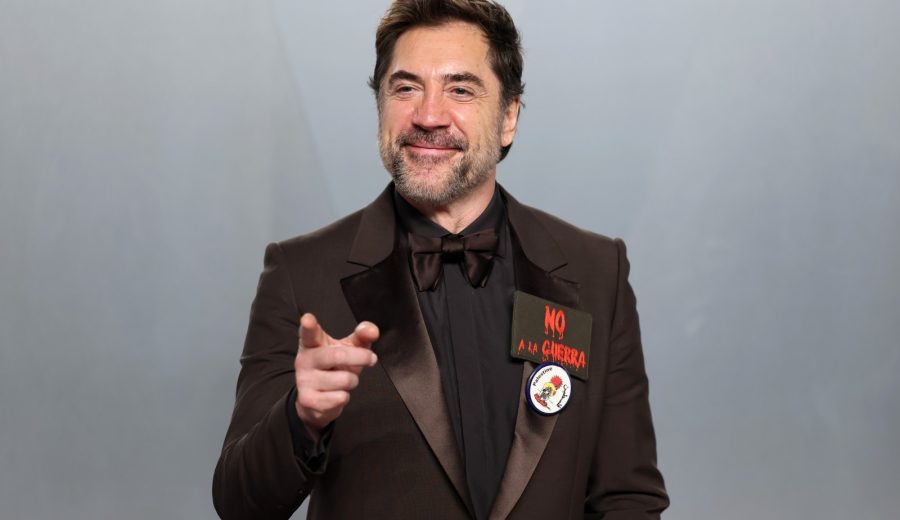
Javier Bardem used his Oscar platform to make a bold statement about Palestine, signaling a shift in how celebrities engage with international political issues. This moment represents a watershed for celebrity diplomacy, where entertainment’s biggest stage intersects with global activism. The incident has sparked broader conversations about the role of A-list figures in shaping diplomatic discourse.
The Spanish actor’s calculated intervention reflects Hollywood’s emerging role as an alternative diplomatic channel in global conflicts.
Champagne glasses clinked in the Dolby Theatre’s hushed corridors last Sunday evening. Industry titans exchanged pleasantries. Then Javier Bardem’s pointed remarks about Palestine cut through the ceremonial atmosphere like a diplomatic cable marked urgent. The Spanish actor’s deliberate choice to amplify his voice on one of entertainment’s most watched stages represents far more than celebrity activism run amok.
Timing carries the unmistakable hallmarks of strategic calculation here. Bardem’s intervention arrived when traditional diplomatic channels have ossified into predictable talking points and carefully orchestrated photo opportunities. Lord Byron’s romantic celebrity became inseparable from the Greek independence movement in the 1820s. Jane Fonda’s antiwar activism during Vietnam transformed her from starlet into geopolitical lightning rod. Bardem appears to understand that cultural influence increasingly operates as a parallel system of international relations.
Three senior diplomatic sources spoke on condition of anonymity Tuesday morning. They’ve privately acknowledged what foreign ministries dare not articulate publicly — celebrity interventions now command audience numbers that dwarf traditional diplomatic outreach. These stars reach demographics that remain largely impervious to conventional statecraft. The mathematics are sobering for career diplomats who spent decades mastering quiet influence. Bardem’s Oscar night comments likely reached more global viewers in real time than most United Nations Security Council sessions attract across entire news cycles.
But the deeper strategic implications extend beyond mere audience capture. Hollywood’s entertainment complex has evolved into something resembling a soft power projection system that operates independently of Washington’s foreign policy apparatus. Intelligence analysts quietly describe this as an alternative diplomatic track. When Bardem declares that one can simultaneously participate in movie making communities while exercising citizenship responsibilities, he articulates a doctrine that effectively challenges the entertainment industry’s traditional political neutrality. Nobody is saying that publicly in studio boardrooms.
Historical precedent suggests that entertainment figures who wade into geopolitical waters often find themselves transformed from cultural ambassadors into polarizing political figures. Their artistic legacies become forever entangled with the conflicts they chose to address. Yet this emerging celebrity diplomacy carries profound risks for both the actors involved and the causes they champion. Marlon Brando’s career trajectory after his 1973 Oscar boycott over Native American rights offers instructive parallels about the long term costs of public political engagement.
For weeks now, diplomatic back channels have buzzed about Hollywood’s growing political assertiveness. By Tuesday evening, as Bardem’s comments continued ricocheting across social media platforms, the broader implications were becoming apparent to seasoned observers. The Spanish actor had effectively demonstrated how individual celebrity interventions could now bypass traditional media gatekeepers and governmental messaging strategies — speaking directly to global audiences with minimal institutional mediation.
Questions remain about translating cultural influence into concrete policy outcomes. Still, the ultimate effectiveness of such celebrity diplomatic initiatives deserves scrutiny. Bardem’s platform undoubtedly amplified awareness of Palestinian perspectives among demographics that might otherwise remain disconnected from Middle Eastern geopolitics. That represents an entirely different challenge than changing actual policy. The timing is striking though — coming when traditional diplomacy has stalled.
Entertainment industry voices may become increasingly significant factors in international relations calculations. The emergence of Hollywood figures as quasi diplomatic actors reflects deeper structural shifts in how global public opinion forms and operates. Just hours earlier, these same celebrities were focused on award show politics. Now they’re reshaping geopolitical conversations.
Bardem’s Oscar intervention demonstrates how celebrity platforms are evolving into alternative diplomatic channels that can shape global public opinion independently of traditional statecraft. This trend signals a fundamental shift in how international conflicts are discussed and influenced in an era where cultural figures command larger audiences than most government officials.
Bardem’s Oscar night comments reached global audiences that dwarf traditional diplomatic outreach efforts.
Source: Original Report