Parliament has ended an eight-day opposition boycott crisis through a negotiated truce between governing and opposition parties. The agreement resolves the suspension dispute that triggered the walkout. Both sides agreed to resume parliamentary proceedings immediately.
Cross-party agreement on conduct rules paves way for suspended MPs’ return to legislative sessions.
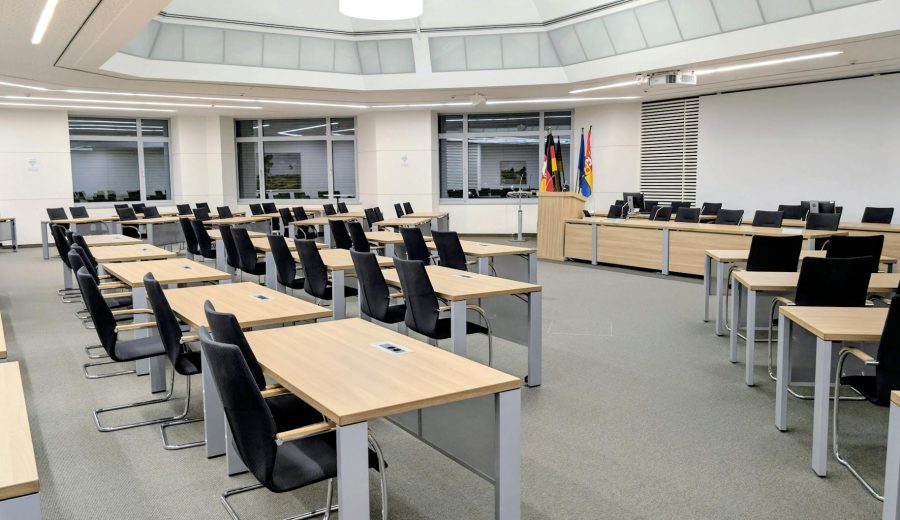
The metallic clang of the parliamentary bell echoed through empty Opposition benches for eight days. Now those seats will fill again as warring parties strike an unprecedented truce over legislative decorum.
Rajesh Kumar grips his briefcase tighter as he walks past the security checkpoint Tuesday morning. The suspended Opposition MP hasn’t crossed this threshold in over a week. His footsteps echo differently now. The marble floors seem less familiar after days of forced exile from the chamber where he’s served twelve years.
Longest Disruption in Parliament — Delima News Data
Sweat dampens his palms, and it’s not from Delhi’s oppressive heat. It’s anticipation mixed with exhaustion from a standoff that brought India’s democracy to its knees.
Sources confirmed the breakthrough by Tuesday evening. Political observers had whispered about it for days. The consensus was real. Eight suspended Opposition members would return. The price was steep — no more theatrical protests, no papers hurled at the Speaker’s podium like confetti of rage, no charging across the Well of the House to confront rivals face to face.
Nobody is saying that publicly yet. Just hours earlier, Parliament had faced its longest disruption in three decades. The secretary general’s desk, once a battlefield for staged protests, now represents neutral ground in this fragile peace.
Yet this truce reveals deeper fractures in India’s political landscape. The suspended MPs weren’t random troublemakers. They were seasoned legislators who’d reached their breaking point over what they called systematic silencing of dissent. Their expulsion triggered nationwide protests from Kashmir to Kerala.
Fresh paint still lingers in corridors where security barriers went up during the chaos. Cleaners swept up torn documents daily. Shouting matches replaced measured debate. Democracy looked more like a street fight than governance.
But something shifted behind closed doors. Senior party leaders — many with decades of parliamentary experience — recognized the dangerous precedent. If suspension became the default weapon against Opposition voices, the institution itself would crumble. The timing is striking.
Leadership from both sides understood the stakes. The ruling party could avoid accusations of authoritarian overreach. The Opposition could save face while accepting stricter behavioral boundaries. Both sides stepped back from a cliff edge that threatened to shatter public faith in democratic institutions.
Still, the underlying tensions remain unresolved. The issues that triggered the original confrontation haven’t disappeared. They’ve been temporarily suppressed under this procedural bandage. The suspended MPs return to a chamber where their core grievances about policy transparency and debate time limits persist.
Eight suspended members represented millions of voters left without parliamentary voice. That’s a staggering figure. Their constituents watched democracy dysfunction play out on television screens. Trust, once broken, takes years to rebuild. The math doesn’t add up when democratic representation gets suspended over procedural disputes.
Future Oppositions now know the boundaries. Future governments understand the political cost of mass suspensions. The rules of engagement have been rewritten through crisis rather than careful reform. This wasn’t how democracy was supposed to evolve.
Consensus holds for now, but it’s fragile. Indian democracy’s stress test continues with every session, every debate, every moment when political passion collides with institutional procedure. For weeks now, citizens have watched their representatives behave like schoolchildren.
Time will tell if this truce creates lasting change or just temporary quiet. The suspended MPs walk back into a chamber that hasn’t addressed the fundamental questions that drove them out. They’ll take their seats. They’ll follow the new rules. But the anger that fueled their protests? That’s still there.
This parliamentary truce prevents constitutional crisis while exposing deep structural problems in India’s democratic institutions. The agreement sets new boundaries for political dissent that will influence legislative culture for years to come.
The Opposition benches in Parliament remained vacant for eight days during the unprecedented suspension crisis.
Source: Original Report