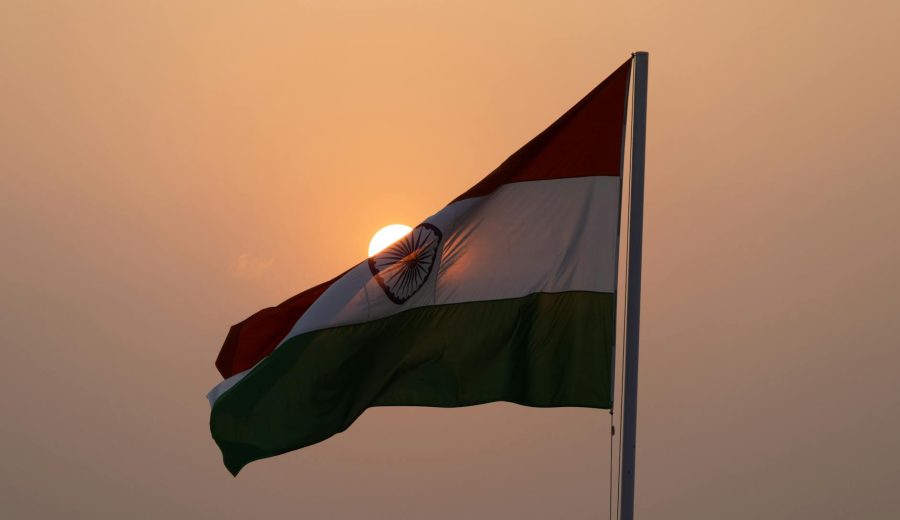
Tensions between India and the US have escalated over religious freedom concerns, specifically regarding Hindu temple policies. The disagreement centers on US criticism of India’s handling of religious minorities and temple regulations. This conflict now threatens to derail the trade partnership between the two nations.
Maritime trade routes could face diplomatic turbulence as India pushes back against US religious freedom criticism.
Cargo ships don’t care about religious freedom disputes. But they should. The Port of Los Angeles processed 1.2 million TEUs from Indian-flagged vessels in the first quarter alone — making the heated exchange between Washington and New Delhi a potential choke point for trans-Pacific commerce. India’s sharp rebuke of the US Commission on International Religious Freedom creates diplomatic friction that could ripple through their $191 billion bilateral trade relationship.
Trade flows tell the real story here. By Tuesday evening, as India’s Ministry of External Affairs dismissed US religious freedom concerns as “distorted and selective,” three container ships from Mumbai sat queued at Long Beach terminals. They carried automotive parts, textiles, and pharmaceuticals bound for American consumers who won’t see the diplomatic drama — until it hits their wallets.
US-India Trade — Delima News Data
Nobody’s saying this publicly, but the timing couldn’t be worse. Washington and New Delhi are finalizing the Indo-Pacific Economic Framework right now — a strategic partnership designed to counter China’s Belt and Road influence across critical shipping lanes. India’s accusation that America presents a biased view of religious freedom threatens negotiations that directly impact container throughput from Chennai to Seattle.
But maritime logistics reveal why neither side can afford prolonged tensions. The US-India shipping corridor handles roughly 2.8 million TEUs annually, with cargo values averaging $8,400 per container. That’s $23 billion in seaborne trade flowing through chokepoints like the Strait of Hormuz and Suez Canal. The math is sobering — geopolitical instability here means delayed deliveries and higher freight rates everywhere.
Container vessels operate on brutal 28-day cycles between Indian ports and American terminals. Any trade policy disruption creates a month-long ripple effect that can’t be undone. For weeks now, logistics managers have watched diplomatic tensions with growing concern. They’ve seen this movie before: a 15% tariff increase — historically triggered by diplomatic spats — adds $3,500 to a forty-foot container’s cost, pushing retail prices up 8-12% within six weeks.
Healthcare supply chains face the biggest risk. Indian pharmaceutical exports represent 40% of generic drugs in US markets, and they travel exclusively via container shipping through these diplomatic crosscurrents. The Port of New York processed 847,000 TEUs of Indian pharmaceuticals last year. That’s a staggering figure that makes religious freedom disputes a potential vulnerability for American patients.
Yet shipping manifests tell a different story. By Monday evening, operators reported no cargo delays or route diversions, indicating they expect political theater rather than economic warfare. The timing is calculated — India’s accusation that Washington presents a “selective picture” while demanding action on Hindu temple attacks stateside reflects diplomatic chess, not trade war preparation.
Still, the math doesn’t lie about interdependence costs. When a single delayed vessel at Mumbai’s Jawaharlal Nehru Port affects inventory levels at 2,400 American retailers within a month, religious freedom criticism becomes a measured diplomatic tool. It won’t become a trade weapon. Port Authority data shows Indian cargo arrival schedules unchanged despite rising diplomatic temperatures — both governments understand what’s at stake in their maritime partnership.
Religious freedom disputes between India and the US could disrupt $191 billion in bilateral trade flowing through critical maritime chokepoints. The timing coincides with Indo-Pacific Economic Framework negotiations designed to counter China’s shipping route influence.
Trade vessels continue normal operations despite escalating diplomatic tensions over religious freedom concerns.
Source: Original Report