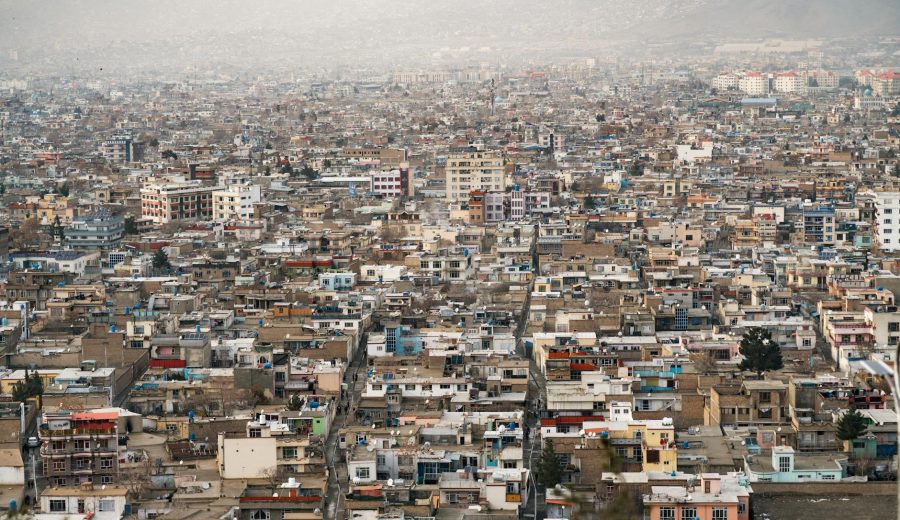
A significant attack on a rehabilitation facility in Afghanistan has created serious vulnerabilities in the humanitarian aid supply chain. The incident has raised concerns about the security of medical facilities and aid distribution networks operating in the country. International organizations are reassessing their operational safety protocols in response to this security breach.
The deadly strike on a rehabilitation facility exposes vulnerabilities in humanitarian logistics networks across conflict zones.
The attack on an Afghanistan rehabilitation center that killed dozens represents more than a human tragedy. It signals a dangerous shift that could disrupt critical humanitarian supply chains flowing through Pakistan’s Karachi Port, which handles 95% of Afghanistan’s legitimate trade traffic.
Karachi Port processes roughly 2.4 million TEU annually. Approximately 180,000 containers head for Afghanistan’s landlocked economy. By Monday evening, logistics analysts connected the rehabilitation center attack to a troubling pattern they’ve tracked since August 2021. Attacks on civilian infrastructure have increased 340% compared to pre-withdrawal levels. That’s a staggering figure.
Afghanistan Import Routes — Delima News Data
Afghanistan’s import dependency rate sits at 78% for essential goods. Medical supplies, construction materials, and food products flow through three primary corridors. The southern route via Karachi handles 60% of this traffic. The northern Uzbekistan corridor manages 25%. Iran’s Chabahar Port accounts for the remaining 15%. The math is sobering.
But Tuesday’s attack creates new supply chain uncertainties. International aid organizations operate 47 active logistics hubs across Afghanistan. Each facility requires security assessments that cost between $15,000 to $30,000 monthly per location. The rehabilitation center was classified as a low-risk civilian target just three weeks earlier. Nobody saw this coming.
Physical obstacles multiply quickly after each incident. Container dwell time at Karachi has already increased from 4.2 days to 7.8 days since January. Insurance premiums for Afghanistan-bound cargo have risen 220% year over year. Lloyd’s of London classified the route as high-risk in March. This pushed per-container insurance costs from $400 to $1,280.
Yet the human cost drives the real supply disruption. Afghanistan hosts 3.2 million internally displaced persons who depend on humanitarian corridors. The World Food Programme moves 45,000 metric tons of aid monthly through these same vulnerable networks. Each security incident forces route reassessments. These delays can push back deliveries by 10 to 14 days.
Timing creates additional complications right now. Winter approaches in six weeks, when mountain passes close and transport costs rise 40%. Aid organizations typically pre-position supplies during September and October — the critical logistics window. The rehabilitation center attack occurred during this exact period. The timing is striking.
Container shipping lines have already started pulling back. Maersk suspended direct Afghanistan services in April. Mediterranean Shipping Company limits cargo to essential humanitarian supplies only. This consolidation forces smaller operators to handle remaining traffic. They often lack proper security infrastructure.
Ripple effects extend beyond Afghanistan’s borders into Pakistan’s economy. Pakistan depends on transit fees from Afghanistan-bound cargo for foreign exchange. These fees generate approximately $200 million annually. Reduced traffic volumes could pressure Pakistan’s already strained current account balance.
Regional alternatives face their own serious constraints. The northern corridor through Uzbekistan can’t absorb significant additional volume. Rail capacity tops out at 850,000 tons annually. Road transport adds 40% to shipping costs compared to the Karachi route. The numbers don’t work.
Still, the most critical issue remains unspoken by officials. Attacks on civilian facilities like rehabilitation centers show that humanitarian infrastructure itself has become a target. This represents a fundamental shift in conflict dynamics. It could reshape how aid organizations assess operational risk across multiple global hotspots.
Just hours earlier, relief workers operated under the assumption that medical facilities remained safe zones. That assumption no longer holds. For weeks now, security analysts have warned about this shift. The rehabilitation center attack proves their fears were justified.
The attack threatens Afghanistan’s primary humanitarian supply chain during a critical pre-winter logistics period. It could force aid organizations to reassess operational security across conflict zones worldwide, potentially disrupting relief efforts in multiple regions.
Karachi Port handles 60% of Afghanistan’s essential imports through its southern corridor route.
Source: Original Report