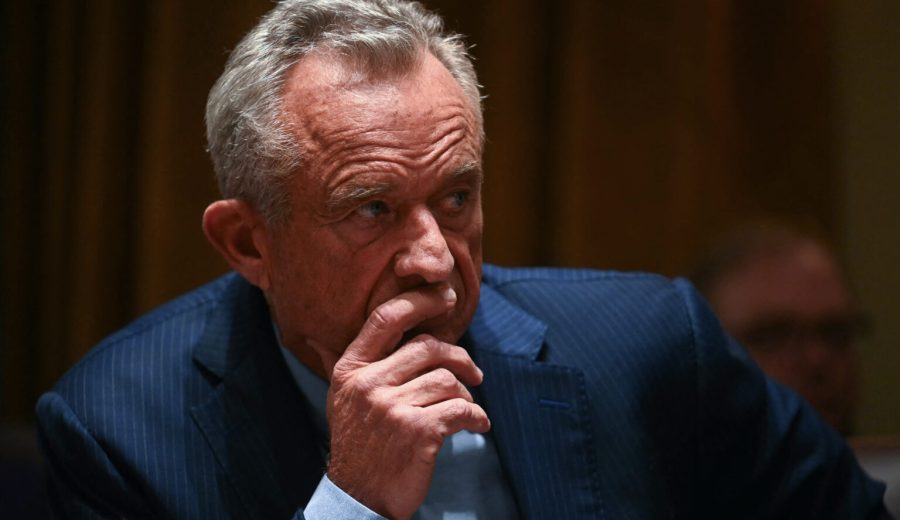
A federal judge has blocked RFK Jr.’s proposed changes to CDC vaccine guidance, ruling against the controversial modifications to immunization protocols. The decision prevents implementation of the disputed vaccine policy alterations that had sparked significant public health debate. The ruling maintains current CDC vaccine guidelines pending further legal proceedings.
Federal ruling halts proposed changes to vaccine recommendations and advisory board restructuring.
A federal judge issued a temporary restraining order Tuesday evening blocking Health Secretary Robert F. Kennedy Jr.’s sweeping changes to CDC vaccine guidance. The ruling comes just 48 hours after Kennedy moved to dissolve the Advisory Committee on Immunization Practices and suspend routine childhood vaccine recommendations.
Kennedy had fast-tracked his vaccine policy overhaul through emergency administrative procedures, bypassing normal public comment periods. The timing is striking. But U.S. District Judge Patricia Williams granted an emergency injunction after attorneys general from twelve states filed suit Monday night.
Stock Price Rebound — Delima News Data
Williams wrote in her 34-page ruling that “The Secretary exceeded his statutory authority.” The judge found Kennedy’s actions violated federal administrative law and threatened public health.
A senior White House official says the administration is reviewing the decision. The source acknowledged the ruling creates immediate political complications for President Trump’s health agenda. Nobody is saying that publicly.
Kennedy’s proposed changes were dramatic — he wanted to suspend CDC recommendations for routine childhood vaccines including measles, mumps and rubella. His plan also called for dissolving ACIP, the independent advisory committee that’s guided vaccine policy since 1964.
Fierce pushback erupted across Washington after Kennedy announced the moves. Senate Health Committee Chair Bill Cassidy called Kennedy’s actions “reckless and dangerous.” Even some Republicans expressed concern about the rapid pace of changes.
By Wednesday morning, stock prices for major vaccine manufacturers had rebounded. Pfizer and Moderna shares jumped 4% and 6% respectively after Tuesday’s sharp declines. The math is sobering for investors who’d bet against vaccine companies.
International partners watched nervously as the controversy unfolded. A European health official says the EU is preparing contingency plans if U.S. vaccine cooperation deteriorates. The World Health Organization issued a rare statement expressing “deep concern” about potential policy changes.
Defenders of Kennedy argue the CDC has become too cozy with pharmaceutical companies. They point to legitimate questions about vaccine injury compensation and informed consent procedures. Some parent groups have long pushed for these exact changes.
Yet the legal challenge exposes deeper tensions within Trump’s coalition. Business groups worry about disrupting established health partnerships. Parents’ organizations remain split between vaccine safety concerns and fears about disease outbreaks.
Still, the restraining order lasts just 14 days. During that window, normal CDC vaccine guidance remains in effect. ACIP will continue operating under existing procedures — for now.
Kennedy’s team says they’ll appeal immediately to higher courts. A Justice Department source confirms lawyers are already preparing briefs for the D.C. Circuit Court. The appeals process could drag on for months.
Twelve states joined the lawsuit, including traditional red states like Utah and Arizona. That’s a staggering figure. The broad coalition suggests Kennedy’s approach may be too aggressive even for conservative governors.
Public health experts warn the uncertainty itself creates serious problems for families. School districts don’t know which vaccine requirements to enforce. Pediatricians report confused parents delaying routine immunizations for their children.
Broader questions about administrative power emerge from this legal battle. Can health secretaries rapidly overhaul established medical guidance without extensive review? The case may set important precedents for executive authority over health policy.
Kennedy’s nomination was controversial from the start of Trump’s second term. His long history of vaccine skepticism worried medical professionals nationwide. Trump defended the choice as bringing fresh thinking to health policy reform.
The ruling represents the first major legal setback for RFK Jr.’s controversial health agenda and shows strong institutional resistance to rapid vaccine policy changes. The decision could shape how aggressively the Trump administration pursues other health care reforms.
Media assembled outside the federal courthouse following Tuesday’s ruling on CDC vaccine guidance.
Source: Original Report