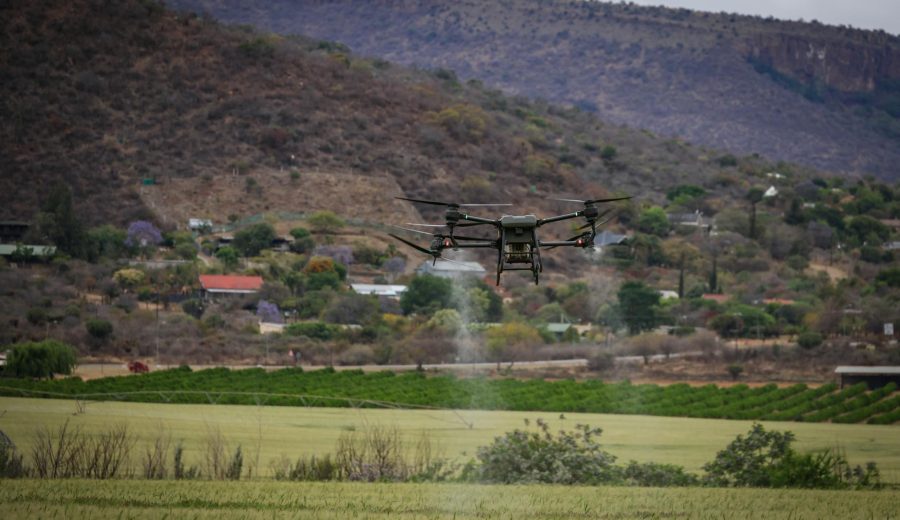
Africa’s emerging agtech sector, powered by young entrepreneurs, faces a critical disruption as Iran fertilizer supplies tighten due to international sanctions. The shortage threatens to undermine productivity gains in African agriculture just as the continent’s tech-driven farming revolution gains momentum. Youth-led startups are scrambling to find alternative suppliers and sustainable solutions.
Continental food security hangs in balance as fertilizer imports through Strait of Hormuz face disruption.
Lagos’ bustling Yaba tech hub buzzes with activity this Tuesday morning. Twenty-eight-year-old agricultural engineer Kemi Adebayo watches her startup’s soil sensors transmit real-time data from farms across southwestern Nigeria. Her innovation could revolutionize how smallholder farmers optimize crop yields. Today, like millions of young Africans working to transform agriculture, she faces an unexpected challenge from thousands of miles away.
Tensions with Iran now threaten to choke off fertilizer supplies that flow through the Strait of Hormuz to African ports. The disruption creates a massive opportunity for the continent’s burgeoning agricultural technology sector. Young innovators can finally accelerate solutions that cut import dependence.
Africa’s demographic dividend tells the story perfectly. Over 60 percent of the population is under 25. That’s a staggering figure when you consider the innovation potential. Many are already building agricultural breakthroughs across the continent — from precision farming apps in Kenya to drone-based crop monitoring in Ghana. The timing couldn’t be better.
Current vulnerabilities run deep, and the numbers don’t lie. African countries import roughly 4 billion dollars worth of fertilizers annually. Nearly 40 percent of these shipments pass through the Strait of Hormuz. The math is sobering. Iran’s threats to disrupt shipping lanes could spike fertilizer prices by 30 to 50 percent within months.
But this crisis exposes deeper institutional hurdles that have long constrained African agriculture. Continental trade policies still favor commodity exports over value-added processing. Agricultural research funding remains fragmented across 54 different national systems. Land tenure policies in many countries discourage long-term soil improvement investments. Nobody talks about that publicly.
Still, local innovation is already responding with remarkable speed. Across the continent, agtech startups are scaling solutions that cut external dependence. Nigerian company Thrive Agric has digitized the supply chain for over 450,000 smallholder farmers. Kenyan firm iCow provides SMS-based agricultural advice to rural farmers without internet access.
Infrastructure foundations improve rapidly by the month. Mobile money penetration exceeds 50 percent across East Africa. Solar mini-grids are powering rural processing facilities from Senegal to Ethiopia. Road networks connecting farming regions to urban markets have expanded 40 percent since 2015. The transformation is visible everywhere.
Continental institutions are finally starting to catch up. The African Continental Free Trade Area creates new incentives for regional fertilizer production. Morocco and Nigeria are investing heavily in phosphate and gas-based fertilizer plants. Ethiopia is developing potash mining operations that could supply regional markets. The timing is striking.
Global trends actually favor African solutions right now. Climate change makes traditional farming methods less reliable worldwide. International development funds prioritize climate-smart agriculture. Technology costs are dropping rapidly — precision farming tools become accessible to smaller operations every quarter.
Governments across Africa must act decisively. Emergency fertilizer reserves should be established at regional levels. Agricultural research institutes need immediate funding increases. Land policies must change to encourage soil health investments. The window won’t stay open forever.
Yet the Iran supply shock could become Africa’s agricultural independence moment. Young innovators like Adebayo have the tools and energy to build food systems that serve African needs first. The question isn’t whether the continent can feed itself. It’s whether institutions will support the innovators who are already showing the way forward.
Africa’s heavy dependence on imported fertilizers makes the continent extremely vulnerable to Middle East conflicts that disrupt global supply chains. However, this crisis could accelerate the growth of local agricultural innovations led by Africa’s young population. The outcome will determine whether Africa achieves food security independence or faces recurring external shocks.
Agricultural researchers across Africa are developing technologies to cut dependence on imported fertilizers amid supply chain disruptions.
Source: Original Report