Trump called for an international naval coalition after Iran threatened to close the Strait of Hormuz, a critical oil shipping route. The move comes amid escalating tensions that could severely impact global oil supplies and trigger an energy crisis.
US president seeks international warships as Tehran vows to block critical oil shipping route during conflict.
President Donald Trump announced that “many countries” have committed to sending warships to the Strait of Hormuz following Iran’s declaration that the waterway would be closed to “tankers and ships of enemies” during the ongoing conflict. Iran’s threat to block the world’s most vital oil transit route has created fears of a major international naval confrontation with severe global economic repercussions.
Trump made the statement during a White House press briefing. He didn’t specify which nations had pledged naval support or provide a timeline for deployment. Iranian Revolutionary Guard commanders earlier declared the strait would remain closed to vessels from “hostile nations” until the current military situation resolves. That’s a direct threat to global commerce.
By Monday evening, Iran’s position became crystal clear. The 21-mile-wide waterway connects the Persian Gulf to the Gulf of Oman and serves as the primary shipping lane for Middle Eastern oil exports. Roughly one-fifth of the world’s oil flows through here daily.
Strategic experts call the Strait of Hormuz the world’s most important oil chokepoint. Approximately 21% of global petroleum liquids pass through its waters daily. The US Energy Information Administration reports about 18.5 million barrels of oil transit the strait each day. Any prolonged closure would immediately disrupt energy supplies to major economies including China, Japan, India, and South Korea.
Oil prices surged 8% in early trading following Iran’s announcement. Brent crude reached $89 per barrel within hours. Maritime insurance rates for Gulf tankers increased by 300% within hours, according to Lloyd’s of London. The strait witnessed previous tensions during the 1987-1988 “Tanker War” when US Navy vessels escorted Kuwaiti oil tankers through these same waters.
Economic analysts warn that a sustained blockade could trigger a global recession. Energy-dependent industries face immediate supply shortages if Iran follows through. The International Energy Agency estimates that alternative shipping routes through the Red Sea would add 15 days and $2-3 per barrel in additional costs. That’s billions in extra expenses.
European Union officials have called for diplomatic resolution. China’s Foreign Ministry expressed “serious concern” about threats to international shipping lanes. Yet neither country has offered concrete solutions to the crisis.
Several NATO allies maintain naval assets in the region as part of existing maritime security operations. The United Kingdom and France already have ships positioned nearby. But no country has publicly confirmed new deployments specifically in response to Iran’s threats. The Pentagon declined to comment on potential military movements.
Just hours earlier, international shipping companies began rerouting vessels and activating contingency plans. Strategic petroleum reserves in major consuming nations remain on standby for potential emergency releases. The crisis represents the most serious threat to global oil supplies since the 2019 attacks on Saudi Arabian facilities.
Still, military analysts question whether Iran would actually follow through on its threats. Closing the strait would devastate Iran’s own economy since it relies on oil exports through the same waterway. That’s created uncertainty about Tehran’s true intentions.
Iran’s threat to close the Strait of Hormuz could disrupt one-fifth of global oil supplies, potentially triggering worldwide energy shortages and economic instability. The situation may escalate into the largest naval standoff in the Persian Gulf since the 1980s, with major powers forced to choose between military intervention and economic disruption.
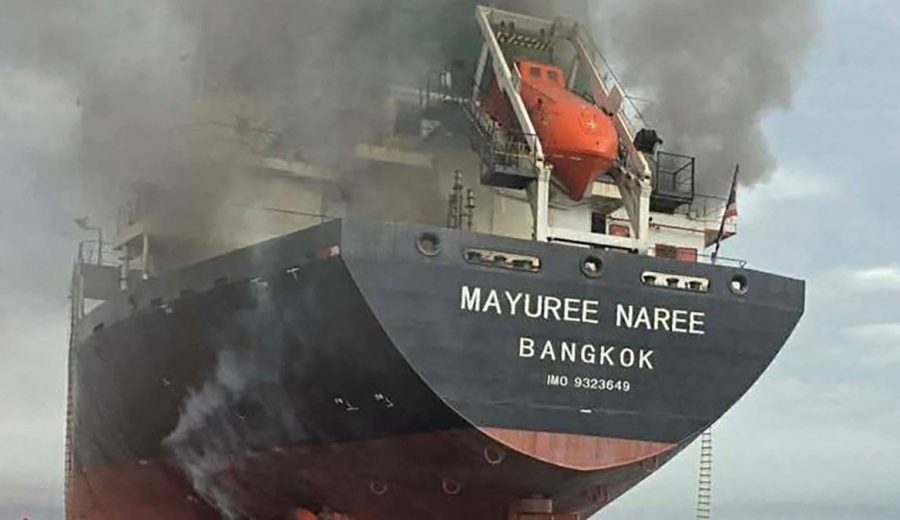
A US naval vessel monitors commercial shipping in the strategically vital Strait of Hormuz waterway.
Source: Original Report