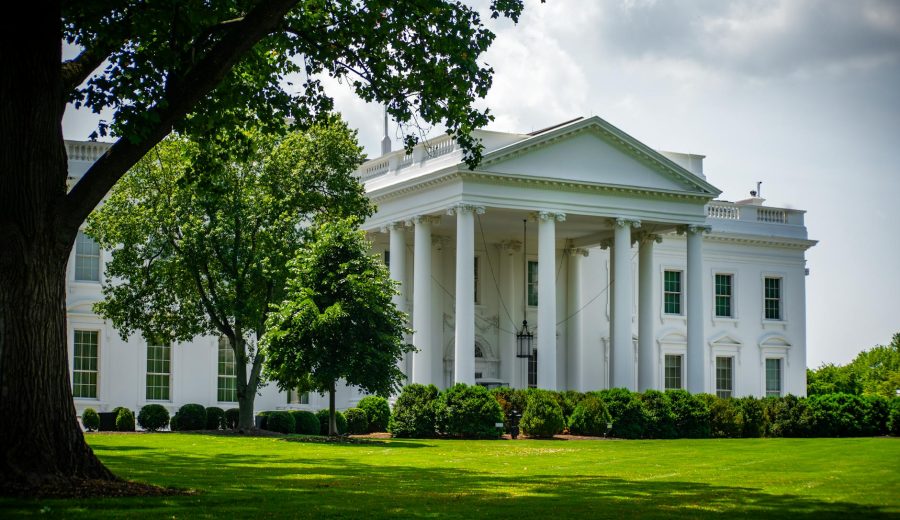
Trump has defended his administration’s decision to blacklist certain AI firms, including concerns about Anthropic, citing national security risks. The move reflects growing tension between AI innovation and government oversight. This action underscores escalating debates over AI regulation and national security protocols.
The administration’s court defense of Anthropic’s designation raises big questions about AI governance and democratic oversight.
Algorithms now weave decisions beyond human comprehension. The Trump administration’s vigorous defense of Anthropic’s blacklisting in federal court this week reveals the deep tensions between innovation and security in our digital age. We’re witnessing the collision of technological power with state authority.
Defense Secretary Pete Hegseth designated Anthropic a national security supply chain risk on March 3. He opened a Pandora’s box of ethical and constitutional questions. The maker of Claude — one of the world’s most sophisticated AI assistants — now finds itself caught between commercial ambition and governmental suspicion.
Claude represents a breakthrough that’s undeniable. The system can reason through complex problems with startling sophistication. Yet this very capability has become its curse. The administration argues that such powerful systems pose inherent risks to national security when developed by private entities.
But what ethical cost do we pay for this precautionary approach? The blacklisting effectively stifles innovation while operating in regulatory shadows. Companies like Anthropic find themselves subject to decisions made without transparent criteria. They can’t appeal through meaningful processes. The black box problem extends beyond the AI itself to the very governance structures meant to oversee it.
Just hours after the court filing became public Tuesday evening, the regulatory gap became starkly apparent. No established framework exists for evaluating AI systems as national security risks. The timing is striking. We’re essentially flying blind, making consequential decisions about technologies we barely understand.
Government lawyers argued that Anthropic’s capabilities could be weaponized by foreign adversaries. They point to the company’s research into AI alignment and safety as evidence of the system’s potential dangers. This reasoning creates a paradox worthy of Kafka. The very research meant to make AI safer becomes grounds for suspicion.
Think about the philosophical implications here. If we can’t peer into the decision making processes of these systems, how can we evaluate their risks? The opacity that makes AI powerful also makes it ungovernable. We’re asked to trust systems we can’t fully audit while simultaneously fearing what we can’t control.
Scenarios grow more troubling by the day. What if other nations embrace these technologies while we retreat into protectionist policies? What if our caution becomes our competitive disadvantage? China continues aggressive AI development while we debate blacklists and security reviews. The math is sobering.
Still, the administration’s defenders raise valid concerns. AI systems like Claude process vast amounts of data and generate responses that could influence millions of users. The potential for manipulation exists. But so does the potential for tremendous good. Nobody is saying that publicly.
Months will likely pass before the court case concludes. During this time, American researchers and developers watch nervously. They wonder if their work might trigger similar security reviews. The chilling effect on innovation may prove more damaging than any theoretical risks the blacklist tries to prevent.
We stand at a crossroads between precaution and progress. The choices we make today will echo through decades of technological development. The question remains whether we can find wisdom in our caution without sacrificing our innovative spirit.
This case establishes precedent for how governments can restrict AI development in the name of national security, potentially reshaping the global AI landscape. The lack of transparent criteria for such decisions threatens both innovation and democratic accountability in emerging technology governance.
Defense Secretary Pete Hegseth designated Anthropic a national security risk in March.
Source: Original Report