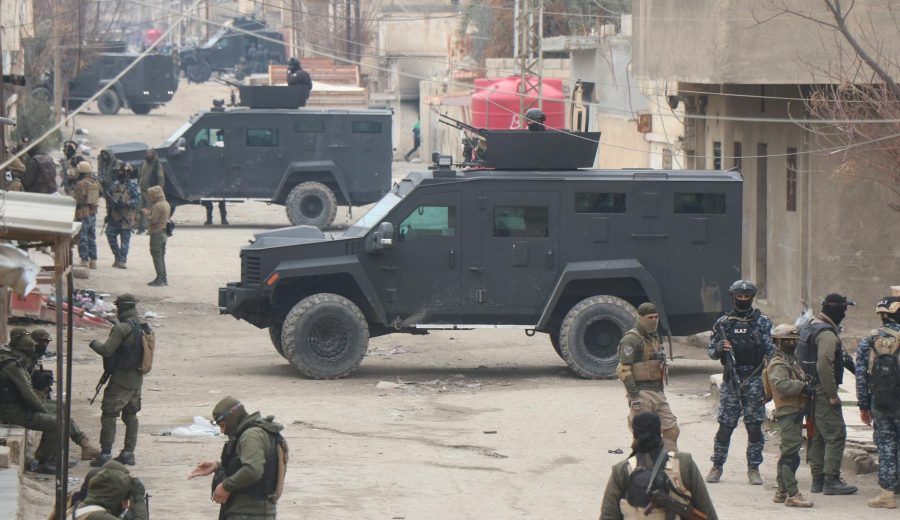
Ukraine’s missile defense capabilities face unprecedented strain as the Middle East conflict diverts international military aid and attention. President Zelensky has warned that Putin is leveraging the regional instability to intensify attacks on Ukrainian infrastructure. The crisis reveals how geopolitical distractions enable Russia to advance its military objectives in Eastern Europe.
Western arms diverted to Israel leave Ukraine starving for missiles as Putin orchestrates a global proxy conflict.
The numbers don’t lie, and they paint a grim picture for Kyiv. Every Patriot missile fired at Hamas rockets is one less shield protecting Ukrainian cities from Russian hypersonics.
Follow the money, and you’ll find Putin’s fingerprints all over this crisis. The timing isn’t coincidence. Just as Ukraine’s counteroffensive began showing promise, Hamas launched its October assault on Israel. Western missile stockpiles that should flow to Ukrainian defenders now race to Tel Aviv instead.
Raytheon, Lockheed Martin, and their European partners can’t produce Patriots and Iron Dome interceptors fast enough for two wars. Production lines that Pentagon officials promised would ramp up for Ukraine now split between two fronts. The math is sobering. Each Patriot missile costs $4 million. Each Iron Dome interceptor runs $50,000. Each diverted shipment costs Ukrainian lives.
Putin’s shadow looms large over this manufactured shortage. The Russian president didn’t just wake up lucky when Hamas attacked Israel. His intelligence networks have spent decades nurturing chaos across the Middle East. Iranian missiles raining on Israeli cities aren’t just terror weapons — they’re tools in Putin’s broader strategy to stretch American resources thin.
Siloviki understand this game better than Washington does. By Tuesday evening, as Israeli jets pounded Gaza, Russian defense officials were already calculating the windfall. Every missile Israel fires means fewer heading to Ukraine’s front lines. Every American dollar spent defending Tel Aviv is one less available for defending Kharkiv.
But the human cost keeps mounting in ways that don’t show up in Pentagon spreadsheets. Ukrainian air defense crews now ration their shots. They can’t waste precious interceptors on every incoming Russian missile. Civilian shelters that should be protected remain vulnerable. Hospital generators that should run uninterrupted face power cuts from successful Russian strikes.
Kremlin calculation is brutally simple. Putin wants America fighting multiple proxy wars simultaneously. He can’t match Pentagon spending dollar for dollar. He can force Washington to split those dollars between Ukraine, Israel, and wherever the next crisis erupts. Iranian proxies don’t need to defeat American weapons systems — they just need to consume them faster than factories can replace them.
Yet this shortage reveals deeper problems in Western defense planning. Two years into the Ukraine war, production capacity remains stuck at peacetime levels. Defense contractors prioritize profit margins over surge capacity. Pentagon procurement offices still move at bureaucratic speed while wars unfold in real time. Nobody is saying that publicly.
Pipeline that should connect American factories to Ukrainian defenders now splits three ways. Israel gets priority because domestic politics demand it. Taiwan waits nervously as Pacific stockpiles thin. Ukraine fights for scraps while Russian missiles keep falling.
By Thursday morning, another Russian barrage struck Ukrainian infrastructure. Power grids failed across multiple regions. Patriot batteries that might have stopped those strikes were busy intercepting Iranian rockets over Israeli cities instead. Putin’s strategy works exactly as planned.
Still, For weeks now, Ukrainian officials have watched their missile reserves dwindle while requests for resupply get delayed. They know what’s coming next. More Russian strikes. Fewer interceptors. Higher casualty counts.
This crisis exposes how Putin uses proxy conflicts to stretch Western resources beyond their limits. Ukraine’s missile shortage today foreshadows similar shortages in future conflicts as America tries to defend multiple allies simultaneously.
Ukrainian forces now must choose carefully which incoming missiles to intercept as Western supplies dwindle.
Source: Original Report