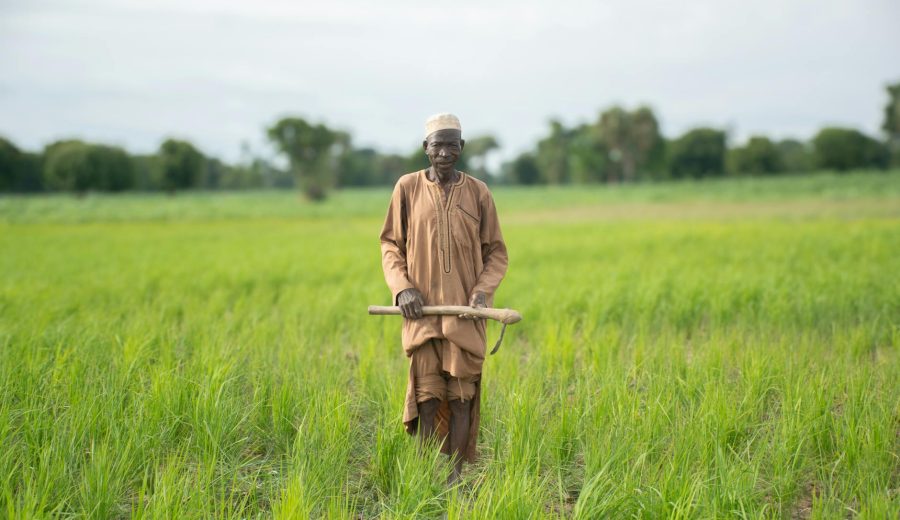
Iran tensions have severely disrupted fertilizer supplies to African markets, threatening agricultural productivity across the continent. In response, young African farmers are developing innovative solutions including organic alternatives, precision agriculture techniques, and community-based resource sharing. These adaptations are helping ensure food security while reducing dependency on imported fertilizers.
Continental food producers pivot to local solutions amid Gulf fertilizer disruptions.
At sunrise in Kenya’s Rift Valley, 28-year-old agritech entrepreneur Sarah Wanjiku checks her smartphone app tracking soil nutrients across 200 smallholder farms. Her timing couldn’t be better as geopolitical tensions around Iran’s Strait of Hormuz threaten the fertilizer imports that have sustained African agriculture for decades.
Transformational opportunity emerges from this crisis. Africa’s agricultural sector, driven by entrepreneurs like Wanjiku, stands at the threshold of achieving genuine food sovereignty. Seventy percent of the continent’s population lives under 30 and increasingly connects through mobile technology. This generation refuses to accept perpetual dependence on external inputs. By Tuesday evening, reports from Lagos to Nairobi showed young farmers accelerating adoption of locally-produced organic fertilizers and precision agriculture techniques that reduce import dependency by up to 40 percent. The timing is striking.
Fertilizer Import Dependency and Reduction — Delima News Data
Yet institutional hurdles remain formidable. Legacy infrastructure still channels most fertilizer imports through vulnerable chokepoints like Hormuz — just as continental free trade agreements promised to boost intra-African agricultural trade. African countries import nearly 4 million tons of fertilizer annually from the Gulf region, representing 60 percent of total consumption. The math is sobering. When shipping costs spike and supply routes face disruption, food prices surge across markets from Accra to Addis Ababa. This hits 400 million Africans who spend over half their income on food.
But local innovation accelerates faster than policymakers anticipated. Cooperative networks in Rwanda now produce 30,000 tons of organic fertilizer monthly using agricultural waste. Senegalese startups have developed mobile-enabled soil testing that helps farmers optimize nutrient application. They’ve reduced fertilizer needs by 25 percent while maintaining yields. Across East Africa, indigenous seed varieties bred for local conditions prove more resilient than hybrid varieties dependent on intensive fertilization. Nobody is saying that publicly.
Continental response reflects Africa’s growing economic confidence. Just hours earlier, the African Development Bank announced a 2 billion dollar facility specifically targeting agricultural input manufacturing across member states. This isn’t charity. It’s strategic investment in sectors where Africa holds competitive advantages in raw materials, labor costs, and proximity to end markets. Nigeria’s phosphate reserves, Morocco’s expertise in fertilizer production, and South Africa’s chemical industry create natural supply chain alternatives that bypass traditional Gulf routes entirely.
Integration offers the ultimate hedge against external shocks. Global headlines focus on geopolitical tensions while African agricultural ministers quietly finalize agreements to harmonize fertilizer standards. They’re eliminating tariffs on intra-African agricultural inputs. The African Continental Free Trade Area suddenly looks less like a diplomatic aspiration and more like an economic necessity for food security. For weeks now, the momentum has been building.
Still, broader implications extend beyond agriculture. Supply chain vulnerabilities exposed by the Iran crisis accelerate Africa’s pivot toward economic partnerships that prioritize continental integration over traditional North-South dependencies. Young entrepreneurs across the continent increasingly view external shocks not as disasters but as market opportunities. They’re developing locally-sourced solutions that didn’t exist five years ago. The math does not add up for continued dependency.
The Iran crisis is catalyzing Africa’s transition from import-dependent agriculture to continental food sovereignty driven by youth innovation. This shift represents a fundamental reorientation of global supply chains and Africa’s position within them.
Technology-enabled farming represents Africa’s path toward reduced dependency on imported agricultural inputs.
Source: Original Report