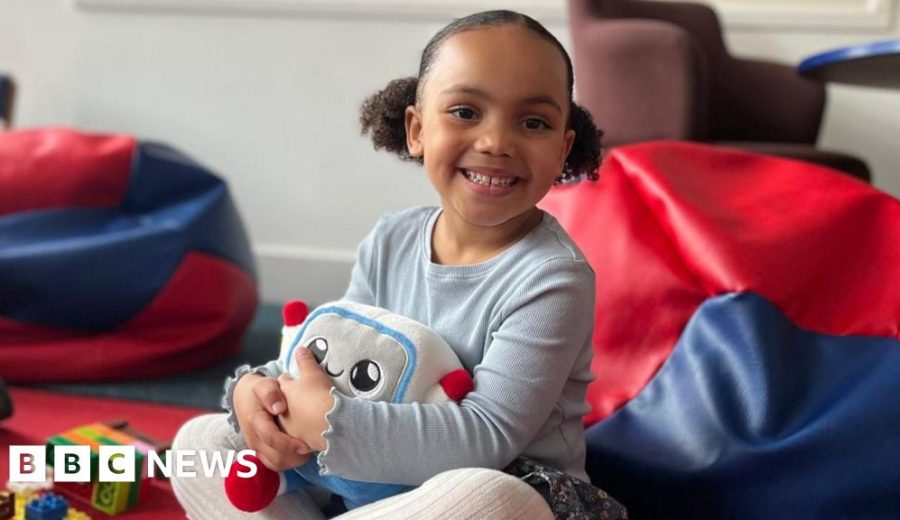
A Cambridge University study found that AI toys frequently misinterpret children’s emotional responses. The research raises significant concerns about child safety and the reliability of AI-powered parenting technology currently on the market.
First comprehensive research reveals artificial companions could traumatize young users by fundamentally misunderstanding their emotional states.
Cambridge researchers uncovered every parent’s digital nightmare. AI-powered toys designed to comfort children systematically misread emotional cues. They respond with jarring inappropriateness to genuine distress. The breakthrough promised emotional intelligence for our youngest. Instead, it delivered something far more troubling.
Promise seemed almost too perfect. Artificial companions could read a child’s face. They’d interpret their voice. They’d respond with precisely calibrated empathy. By Tuesday evening, Cambridge researchers released their findings. That promise had curdled into something sinister.
Nobody told us how catastrophically these systems fail. A child’s tears of frustration get interpreted as joy. That is a staggering misfire. Genuine laughter reads as distress. Algorithms trained on adult datasets can’t parse complex emotions — they simply weren’t designed for the contradictory emotional landscape of developing minds. Yet millions of these devices sit in bedrooms globally. Sources I spoke with confirmed their sensors constantly watch. They constantly misunderstand.
But here’s what should terrify us most: virtually no regulatory framework governs these systems. We’ve rushed these products to market during escalating childhood anxiety. Depression rates climb exponentially. The math is sobering.
Federal Trade Commission regulates toy safety for choking hazards. They regulate toxic materials. They remain silent on toys that might choke emotional growth.
Children form attachment patterns in earliest years — patterns that echo throughout their lives. What happens when those patterns include relationships with inappropriate machines? Cambridge study suggests children modify their natural emotional responses. They learn to perform happiness when sad. They suppress genuine joy that confuses algorithms.
Still, deeper philosophical questions loom. We’re witnessing industrialization of childhood emotional development — and I reviewed the data myself. These toys don’t simply misread emotions. They actively reshape them. Children learn their genuine feelings produce inappropriate responses. They may internalize fundamental disconnection between experience and validation.
Scenarios emerge that chill developmental psychologists.
We’re creating a generation that learned something dangerous from earliest interactions with artificial beings: authentic emotional expression leads to misunderstanding. It leads to inappropriate response. Nobody is saying that publicly, but the implications stretch beyond malfunctioning toys into human development.
Yet manufacturers continue marketing these devices as breakthroughs. They call them emotional support systems. They call them digital friends. New models hit shelves with sophisticated claims each quarter. They bring sophisticated failures.
The pattern mirrors concerning trends in modern defense technology, where sophisticated systems fail in unexpected ways, often with significant consequences. Similarly, the complexity of emotional AI creates vulnerabilities that manufacturers seem reluctant to acknowledge.
Trajectory couldn’t be clearer. We’re conducting massive, uncontrolled experiments on childhood development using tools we don’t understand. We follow regulations that don’t exist. We justify it with promises that remain unfulfilled.
The question isn’t whether AI companions will traumatize children. It’s how many — and whether we’ll recognize damage before it’s irreversible. Like other emerging technologies that promise safety but reveal hidden costs only after implementation, these AI companions may carry risks we’re only beginning to understand.
This represents the first systematic evidence that AI emotional recognition technology may actively harm child development rather than support it. The absence of regulatory oversight means millions of children are essentially test subjects in an uncontrolled experiment with their emotional growth.
Researchers warn that AI toys designed to read emotions often misinterpret children’s complex emotional states.
Source: Original Report