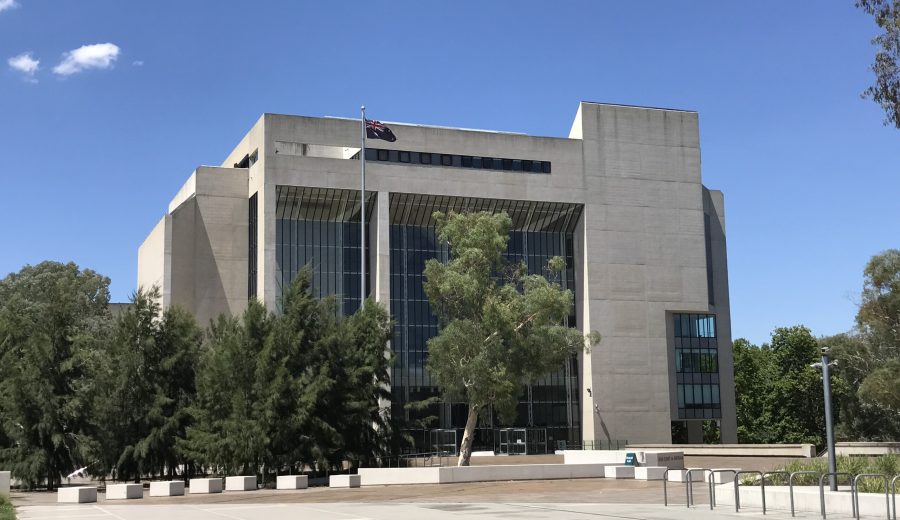
Australia’s highest court has halted the expansion of a major coal mine, ruling that planners must make sure greenhouse gas emissions are kept to a minimum before approving such projects. The case was brought by two retired science teachers.
Australia’s highest court has ruled against the expansion of a major coal mine, Al Jazeera reported.
In a decision on Wednesday, October 7, the High Court found that planning authorities had failed to ensure that greenhouse gas emissions would be “minimised to the greatest extent practicable”.
The Ruling
Three of the five judges found that the expansion of the Mount Pleasant mine in New South Wales must be halted.
Planning authorities, they said, were obliged to consider granting consent only with conditions ensuring that all greenhouse gas emissions were minimised. In this case they had not done so.
Who Brought the Case
The case was brought by two retired science teachers, Wendy Wales and Tony Lonergan, who had campaigned for years against the expansion in the Hunter Valley, the centre of Australia’s coal mining industry.
“We cannot dig up coal, ship it overseas, watch it drive climate change, and then pretend the consequences have nothing to do with us and won’t be felt by us,” Wales said.
“This isn’t the end of coal overnight,” said Lonergan. “But it is the end of coal mine approvals that look the other way on climate.”
What the Company Wanted
The mine’s operator, Mach Energy, had sought to extend the life of the open-cut mine by more than 20 years, to 2048, and to nearly double its annual output.
The proposal was initially approved by the New South Wales Independent Planning Commission.
Mach argued that coal exported and burned overseas could not be clearly linked to environmental effects felt near the mine. The company is owned by Droxford International, a subsidiary of Indonesia’s Salim Group.
Why Campaigners Call It a Precedent
Environmental campaigners described the decision as the court’s first ruling on climate change. They said it sets a “binding national precedent” requiring climate damage to be weighed when fossil fuel projects are considered.
“The High Court has confirmed that planning authorities cannot ignore the chain of causation from a project’s emissions through to real, local climate harm,” said Anita O’Hart, a lawyer for the community group behind the case.
She said the ruling would be applied by courts and planning authorities across Australia and studied internationally.
The Company’s Response
Mach Energy said it was “disappointed with the outcome” but accepted the decision.
“We will continue to actively pursue all available options to ensure the long-term continuity of the Mount Pleasant operation,” it said.
The Wider Picture
Australia is one of the world’s largest exporters of fossil fuels, ranking among the top sellers of both coal and liquefied natural gas.
Image: The High Court of Australia in Canberra (file photo, 2016). Photo by Chris Olszewski via Wikimedia Commons, CC BY-SA 4.0.