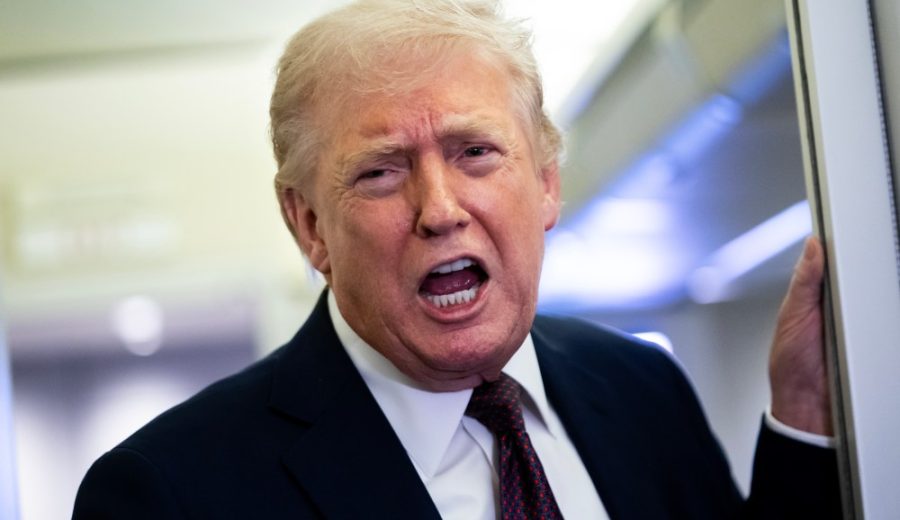
The BBC has filed a motion to dismiss President Trump’s $10 billion defamation lawsuit against the network. The motion argues the claims lack legal merit and should be removed from court proceedings. This filing represents a significant development in the ongoing legal dispute between Trump and the media organization.
British broadcaster challenges lawsuit over January 6 documentary editing in Florida federal court.
The BBC formally filed a motion to dismiss President Trump’s $10 billion defamation lawsuit Tuesday, setting up a high-stakes legal battle over media freedom and editorial practices. The British broadcaster argues the Florida court lacks jurisdiction over its London-based operations, according to court documents obtained by Delima News.
State Department officials are closely monitoring the case, with one senior diplomat telling Delima News the outcome could affect bilateral media relations. “This isn’t just about one lawsuit,” the source says. It’s about how American courts handle foreign news organizations.
Timing couldn’t be more explosive. Just weeks before Trump’s potential return to the campaign trail, the BBC is forcing a confrontation over press freedom that Washington insiders say could reshape international media law. By Tuesday evening, legal experts were calling the broadcaster’s response unusually aggressive for a foreign entity facing American litigation. The timing is striking.
But the BBC isn’t backing down. Court filings show the network argues Trump’s claims lack merit because the Panorama documentary clearly identified edited segments of his January 6 speech. The broadcaster’s legal team contends standard editorial practices don’t constitute defamation under either American or British law.
Capitol Hill sources say the case has drawn bipartisan attention, though for different reasons. Republicans view it as vindication of Trump’s longstanding media criticism. Democrats worry about the precedent — massive damage claims against news organizations — even foreign ones.
Yet the international implications run deeper than domestic politics. European diplomats privately express concern that American courts could effectively regulate British journalism. One EU source tells Delima News that Brussels is watching whether U.S. legal jurisdiction extends to editorial decisions made in London newsrooms. Nobody is saying that publicly.
Ten billion dollars would exceed most broadcasters’ annual revenues. That’s a staggering figure. A judgment that size would potentially force editorial changes based on litigation risk rather than journalistic standards. Industry insiders say the figure appears calculated to maximize pressure on the BBC’s corporate leadership.
Still, legal experts give Trump’s case mixed reviews. First Amendment lawyers argue American defamation standards heavily favor defendants, especially in cases involving public figures and clearly identified editing. The choice of Florida venue could benefit Trump — the state’s media-friendly reputation has shifted in recent years. The math doesn’t add up for most plaintiffs in defamation cases.
BBC’s motion hinges on jurisdictional arguments that could set precedent for how American courts handle foreign media companies. If successful, the dismissal would effectively shield international news organizations from U.S. defamation claims related to overseas editorial decisions. This represents uncharted legal territory.
Just hours earlier, Trump’s legal team signaled they’ll fight the dismissal motion aggressively. Sources close to the former president say he views the case as part of a broader effort to hold international media accountable for what he calls biased coverage.
And the stakes keep rising. For weeks now, media law specialists have warned that either outcome could fundamentally alter how news organizations cover American political figures. This could chill international journalism or open floodgates for similar lawsuits.
The case could establish whether U.S. courts can regulate foreign news organizations’ editorial decisions, potentially affecting international press freedom. A victory for either side would set precedent for how global media companies approach coverage of American political figures.
The BBC headquarters faces a major legal challenge over its documentary editing practices.
Source: Original Report