
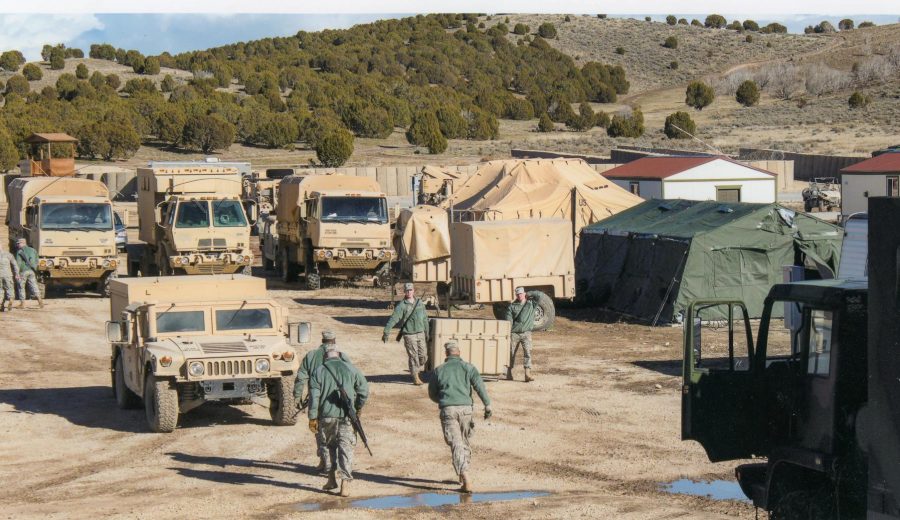
Britain has opened its military bases to facilitate potential US strikes targeting Iran’s strategic interests, particularly around the Strait of Hormuz—a critical global shipping chokepoint. This decision marks a significant escalation in regional tensions and represents direct UK involvement in potential military operations. The move comes amid heightened concerns over Iran’s influence in Middle Eastern affairs.
London’s green light for American operations marks a dangerous escalation in the Gulf’s strategic waterway.
The morning prayer call echoed across Manama’s financial district as news broke that Britain had opened its military bases to American forces targeting Iran’s chokehold on global oil flows. In the cafés where Bahraini traders sip their first tea of the day, the conversation turned quickly from currency fluctuations to the possibility of missiles streaking overhead.
Downing Street’s decision means more than military cooperation. It signals Britain’s willingness to risk everything for its special relationship with Washington. Just hours earlier, Iranian patrol boats had shadowed another commercial vessel through the narrow strait that carries one-fifth of the world’s oil.
Britain’s economy remains fragile after years of political upheaval. The timing is striking. Yet Prime Minister Sunak’s government chose confrontation over caution. The math is sobering for ordinary Britons who’ll bear the consequences of any Iranian retaliation.
Coffee shops in Dubai buzz with nervous energy these days. “The British are playing with fire in someone else’s neighborhood,” one analyst told me near the Creek. His words carry weight in a region where miscalculation can spark conflicts that burn for decades.
Tehran has always used the Strait of Hormuz as its trump card. When Iran feels cornered, it rattles its saber in these waters. Ships slow down. Insurance rates spike. Oil prices jump. The global economy holds its breath.
But this escalation changes everything. British bases in Cyprus and the Gulf now become legitimate targets in Iranian eyes. The Revolutionary Guards don’t distinguish between American pilots and British ground crews when they plan their revenge. Nobody is saying that publicly.
Regional powers watch nervously from the sidelines. Saudi Arabia spent years trying to cool tensions with Iran. The UAE reopened trade ties with Tehran. Even Israel has avoided direct confrontation in the Gulf recently.
London’s move threatens to unravel this careful balance. As a senior Emirati official confided during a recent energy conference, “When the big powers fight, the small ones bleed.”
Every day brings massive tankers through the strait’s shipping lanes. They carry crude oil and liquefied natural gas worth billions. A single well-placed mine or missile could trigger the kind of supply shock that brings down governments. The stakes couldn’t be higher.
European allies distance themselves from Britain’s decision. France and Germany prefer diplomatic pressure to military threats. They remember how quickly the tanker wars of the 1980s spiraled out of control.
Still Britain seems determined to prove its relevance in the post-Brexit world. By Monday evening, Sunak hopes to secure future trade deals and security guarantees through this gamble. The price tag remains unknown.
Iranian leaders now face their own difficult choice. They can absorb the insult and appear weak to domestic hardliners. Or they can retaliate and risk a broader war they can’t win.
Merchants in Dubai’s old souks worry about their future. For weeks now, they’ve watched tensions build across the water. One pearl dealer, whose family has crossed these waters for centuries, captured the regional mood perfectly: “When elephants fight, the grass suffers.”
Britain’s decision transforms the Strait of Hormuz crisis from a US-Iran standoff into a broader Western confrontation with Tehran. The move risks escalating tensions in the world’s most critical oil chokepoint just as global energy markets remain fragile. Any Iranian retaliation could trigger supply shocks that reshape both Middle Eastern geopolitics and the global economy.
RAF Akrotiri in Cyprus now serves as a staging ground for potential US operations against Iranian targets.
Source: Original Report