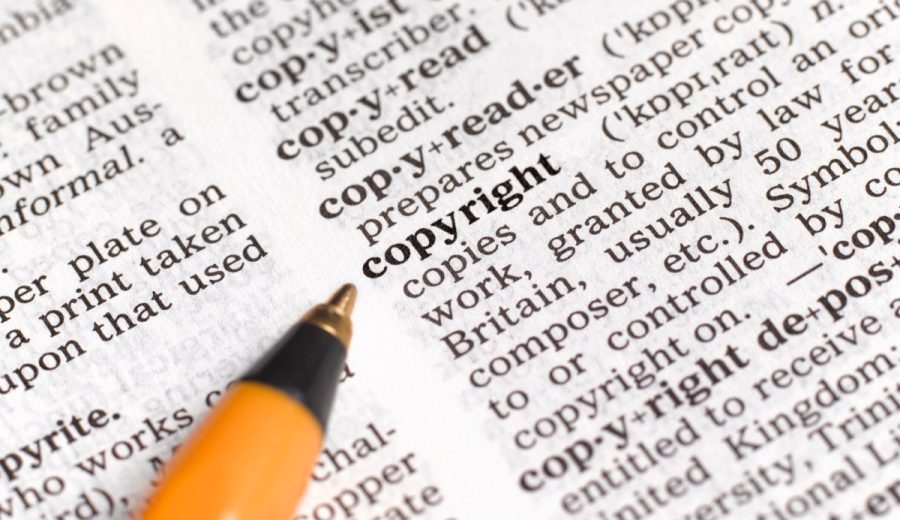
Britannica and Merriam-Webster have filed a lawsuit against OpenAI, alleging unauthorized use of their copyrighted content to train AI models. The case represents a major legal challenge to how companies source training data for large language models. This marks a significant escalation in copyright disputes involving artificial intelligence development.
Two publishing giants claim AI company violated copyright on nearly 100,000 reference articles.
Encyclopedia Britannica and Merriam-Webster have commanded reverence as guardians of human knowledge for centuries. Today they’re locked in combat with the very technology that promises to democratize their wisdom. The fight could reshape everything.
Knowledge, Aristotle taught us, belongs to all humanity. But who owns the vessel that carries it?
Tuesday evening brought legal papers that could fundamentally reshape how artificial intelligence systems learn from human thought. Encyclopedia Britannica and Merriam-Webster delivered a stunning blow to OpenAI, alleging the company systematically harvested nearly 100,000 copyrighted articles to train their large language models without permission or compensation. That’s a staggering figure.
Valuation and Articles — Delima News Data
ChatGPT’s breakthrough depends entirely on vast quantities of text. These systems don’t truly understand language — they predict it, having consumed billions of words to recognize patterns in how we communicate. The magic lies in scale. Companies feed algorithms more text than any human could read in a lifetime.
Here’s the ethical cost we’re only now beginning to calculate. Every elegant response, every seemingly intelligent answer emerges from what researchers euphemistically call “training data.” The black box conceals a fundamental question: can machines learn from copyrighted works the same way humans do when they read a dictionary or encyclopedia?
Just months after OpenAI secured a valuation approaching 160 billion dollars, these publishing houses are demanding their share of the windfall. The timing is striking. Britannica’s articles, refined over centuries, now potentially generate revenue for a company that never sought permission to use them. The math is sobering.
But the regulatory gap remains cavernous. Copyright law, crafted in an analog age, struggles to address digital consumption at machine scale. Fair use doctrine permits humans to read, learn, and even quote from protected works. Does this extend to algorithms that can process thousands of articles per second?
Philosophical implications cut deeper than mere commerce. Knowledge builds upon knowledge — even the most original thoughts stand on the shoulders of giants. Where do we draw the line between inspiration and theft? Wittgenstein might have appreciated this paradox: the very words we use to discuss language belong to all of us, yet their specific arrangements remain property.
Should this lawsuit succeed, it could create a world where only companies wealthy enough to license every piece of training data can develop advanced AI systems. Nobody’s saying that publicly. The irony would be profound: protecting intellectual property might concentrate artificial intelligence power in even fewer hands.
Yet the alternative presents its own dangers. Unlimited harvesting of human knowledge without consent or compensation could undermine the economic incentives that motivate scholars, writers, and researchers to create new knowledge. We’d kill the golden goose.
Still, we’re witnessing the collision between two fundamental principles: the free flow of information and the right of creators to control their work. The black box of AI training demands transparency, not just in algorithms but in ethics. This case will test both.
For weeks now, legal experts have debated whether current fair use protections can stretch to cover machine learning at this scale. They can’t agree. Courts will have to decide whether artificial intelligence deserves the same learning privileges we grant to humans.
This lawsuit could establish crucial precedents for how AI companies acquire training data, potentially requiring billions in licensing fees and reshaping the entire industry. The outcome will determine whether knowledge can be freely harvested by machines or remains subject to traditional copyright protections.
The collision between traditional publishing and AI development enters the courtroom as reference publishers challenge OpenAI’s use of copyrighted content.
Source: Original Report