The Chinese memory maker ChangXin Memory Technologies said it plans to launch server DDR5 memory built on a new 4F² cell design by the end of 2026, and shares of Samsung, SK hynix and Micron fell.
ChangXin Memory Technologies (CXMT) said at the Integrated Circuits and Chiplet Conference on 10 October 2026 that it will bring a new 4F² DRAM design to market, with next-generation DDR5 server memory modules, known as RDIMMs, due by the end of the year, according to TrendForce and other reports. Its president, Cao Kanyu, introduced the technology.
A 4F² design is a way of laying out the memory cell so that it takes up less area on the chip, which lets more cells fit on a given chip and could raise capacity and efficiency, according to the search summary of the reports. CXMT’s approach relies on a proprietary vertical surrounding gate transistor, which uses a vertical gate to reduce current leakage while shrinking the area of each cell.
The announcement matters because of the timing. Samsung is expected to introduce a comparable 4F² structure only in 2028, and has reportedly targeted mass production of sub-10-nanometre DRAM with the design by that year, according to Wccftech. A Wccftech headline says CXMT could leapfrog Samsung by about two years. SK hynix unveiled its own 4F² roadmap in 2025, according to the same summary.
Chip shares fell. Reports carried by Yahoo Finance and the Korea JoongAng Daily say that the shares of Samsung Electronics, SK hynix and Micron dropped after CXMT flagged progress on next-generation memory. Delima News reports on the later market fall in a separate article, in which the Kospi dropped into a bear market on 15 October, and CXMT was one of several causes cited.
The claim is a plan and not a product. Wccftech’s headline refers to yield-related scepticism, which means that analysts doubt whether CXMT can make the chips in volume at an acceptable cost. If CXMT brings the plan into volume production it would be technologically remarkable, but that is a condition, and no product has been shown to be on sale.
The sources reviewed do not give any performance figures, capacity of the modules or the price of the new chips. They also do not say which customers would buy them, or whether export controls would affect CXMT’s equipment supplies.
The announcement has a link to the supply shortage. Memory prices have risen because of AI demand, as Samsung’s record profit forecast and the fall in global smartphone shipments show, and the sources reviewed do not say whether CXMT’s chips would ease it.
The timeline is short. From the conference on 10 October to the end of the year there are about 82 days, a count by Delima News, and the company has said it plans to have the server modules ready in that time. A plan announced at a conference does not guarantee products on the market, and the sources reviewed do not give any interim milestones.
The announcement was made by the company at an industry event and is reported through press coverage. The sources reviewed do not include independent verification, such as a sample module or a test result, and Delima News therefore treats the claims as the company’s own.
Delima News will report whether CXMT meets its year-end target.
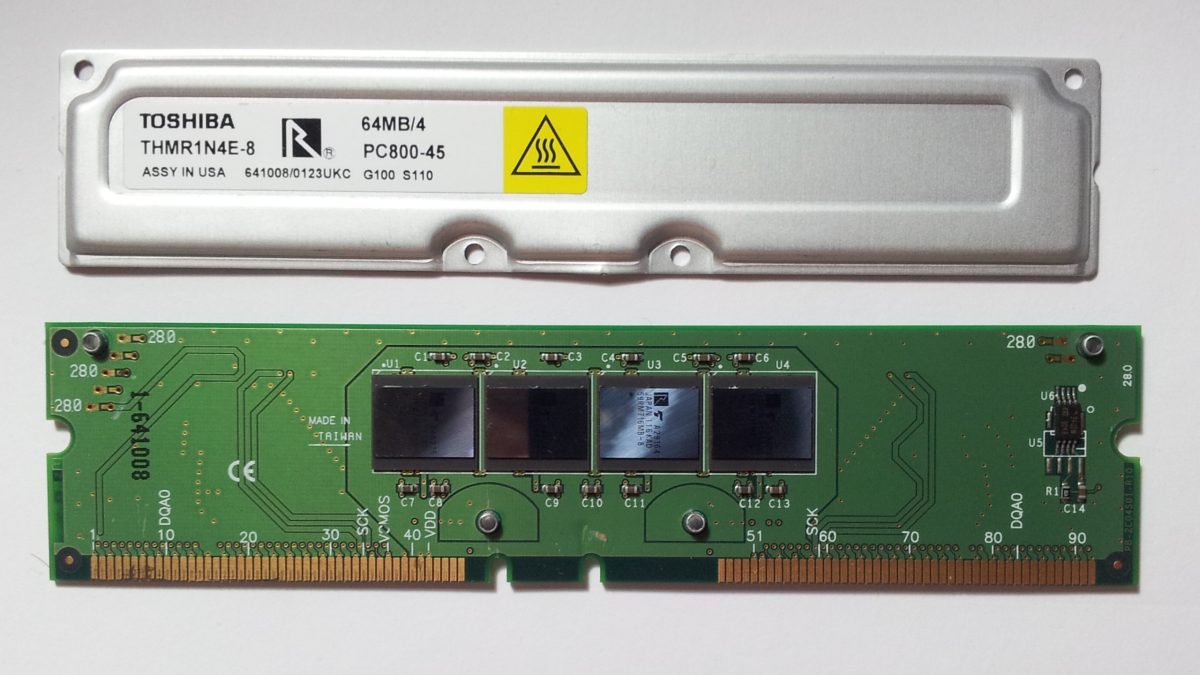
Image: A DRAM memory module (file photo; a stand-in image). Photo: Köf3 / Wikimedia Commons (CC BY 3.0)