The 31st UN climate conference, COP31, will take place at the Antalya Expo Center in Türkiye from 9 to 20 November 2026. Türkiye will host the summit and Australia will preside over the negotiations, a compromise after both countries bid to host.
Murat Kurum, Türkiye’s Minister of Environment, Urbanisation and Climate Change, is the COP31 president. Australia’s climate minister, Chris Bowen, serves as vice-president and President of Negotiations. Wikipedia describes this shared leadership as a model created after both countries competed to host the event. Samed Ağırbaş, president of the Zero Waste Foundation, is the climate high-level champion.
The summit follows COP30 in Belém, Brazil, in 2025 and precedes COP32 in Addis Ababa, Ethiopia, in 2027. In the lead-up, the Bonn climate conference took place from 8 to 18 June 2026 for technical negotiations, and a Pacific programme ran from 5 to 8 October as the final political preparation. Wikipedia says the pre-COP meeting was held in Fiji, with a leaders’ event in Tuvalu so that world leaders could see Pacific climate damage first-hand.
The calendar is unusual. The World Leaders’ Summit is set for 11 and 12 November, which falls on the third and fourth days of the conference, in contrast with earlier COPs, where leaders typically gathered at the start. The programme also includes thematic days: Science, Industry and Technology on 16 November, Ocean, Seas, Nature and Land Use on 17 November and Human and Social Development on 18 November, with final negotiations on 20 November.
The presidency has set out its action agenda priorities, which include electrification, resilient cities and waste. Reports from Türkiye say the deputy environment minister has outlined logistical arrangements for participants, from arrival to departure, with a focus on safety, comfort and accessibility. The presidency says it is guided by principles of dialogue, consensus and action.
Observers will watch several questions. One is whether the shared Türkiye–Australia model works in practice, since the host country and the negotiating president come from different regions. Another is how the Pacific-focused preparations translate into negotiating outcomes, and a third is how the climate talks will interact with this autumn’s conflicts and energy-market disruptions, which have affected oil infrastructure in Saudi Arabia and Ukraine.
A COP, or Conference of the Parties, is the annual meeting of the countries that have signed the UN Framework Convention on Climate Change. Past meetings have produced agreements ranging from the Paris Agreement to pledges on climate finance, and each one is closely scrutinised for whether wealthy and developing countries can agree on money, emissions and adaptation. COP31’s split between a host country and a negotiating president from another country is an unusual arrangement, and its structure is being watched closely.
Delima News has used the official-style sources available to it, including Wikipedia’s summary of the conference, and has not independently confirmed each detail of the programme, which could change before November. Readers who plan to attend should check the UN Climate Change secretariat’s website for the final schedule. We will report on the main decisions as the conference approaches and when negotiations begin on 9 November.
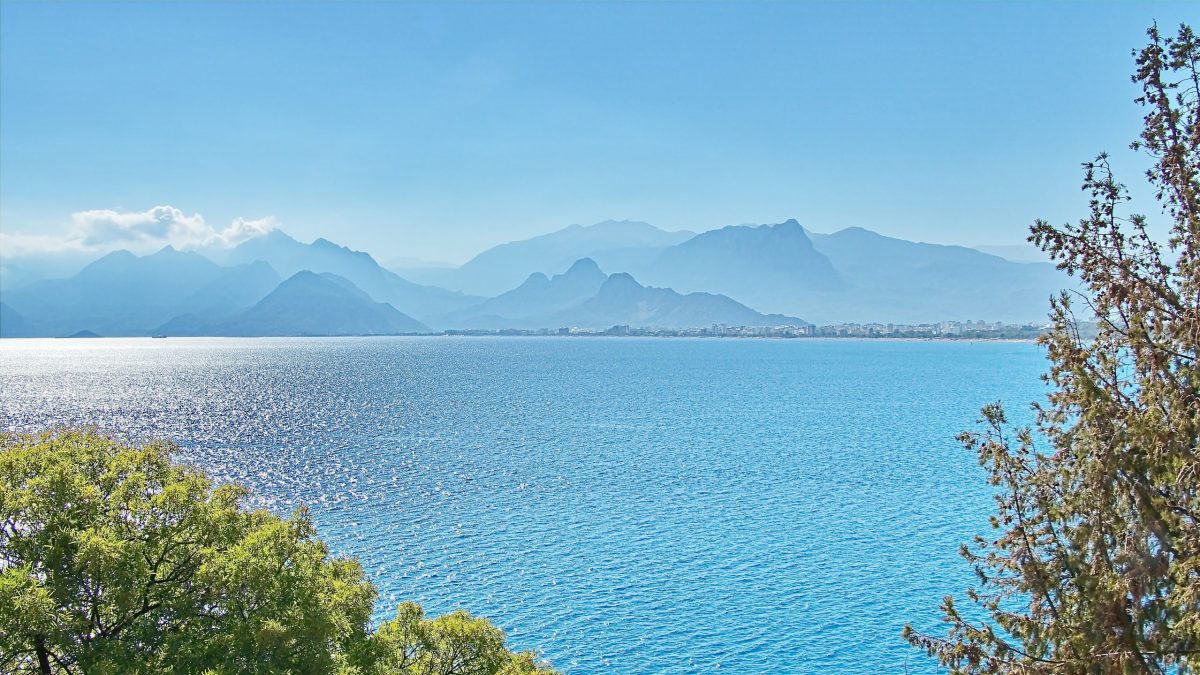
Image: The Bay of Antalya, Türkiye (file photo, not from the events described). Photo: Joe Wallace / Wikimedia Commons (CC BY-SA 2.0)