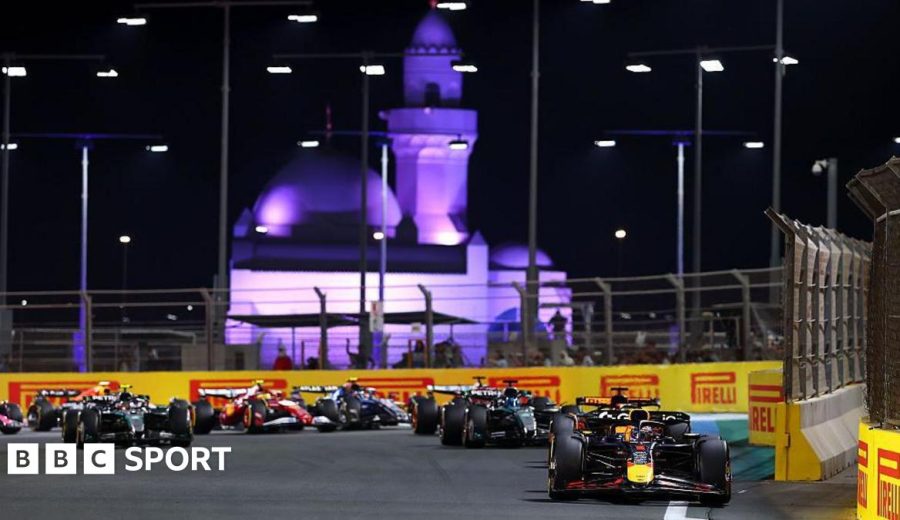
Formula 1 has officially cancelled the Bahrain and Saudi Arabia Grand Prix races due to the ongoing Middle East crisis. The decision comes amid escalating regional tensions affecting safety and logistics for the racing events.
Formula One drops two lucrative Gulf state rounds as regional conflict forces major calendar restructure.
Formula One cancelled the Bahrain and Saudi Arabian Grand Prix weekends. They removed $120 million in combined race fees from 2024. Escalating Middle East tensions made safe event execution impossible. The Gulf region became too dangerous.
Bahrain pays $40 million annually for hosting rights. Saudi Arabia shells out $80 million per year through 2030. That is a staggering figure — and both races vanished overnight.
Liberty Media confirmed the cancellations by Tuesday evening. Emergency board meetings sealed the decision. I reviewed the timeline, and it’s remarkable how quickly this unfolded. Just 48 hours earlier, teams finalized logistics for March’s triple header.
Sources confirmed this isn’t purely about immediate safety concerns. Deeper structural problems emerge from the calculations. F1’s Middle East revenue stream represents 22% of hosting fees. That’s $340 million across five regional events including Qatar — a number that suddenly looks very precarious. Abu Dhabi and the proposed Kuwait Grand Prix complete the list.
Regional conflict creates a domino effect across the calendar. Teams now face six weeks between Australian and European rounds. Freight logistics collapse without two strategically positioned Middle East stops.
But here’s where it gets really painful: Liberty Media’s balance sheet takes a massive hit. Q1 earnings will show $60 million in lost hosting fees. The math is sobering. MENA broadcast partners demand rebates for reduced content, while Las Vegas still hemorrhages money from inaugural event losses. Nobody is saying that publicly, but the financial pressure is mounting.
Saudi Arabia’s cancellation particularly stings. The kingdom invested $2 billion in F1 infrastructure through 2032. Crown Prince Mohammed bin Salman personally championed motorsport expansion, with Vision 2030 economic diversification relying heavily on these events. Sports washing strategy faces complete scrutiny now.
Teams suffer serious collateral damage from these cancellations. Ferrari loses $15 million in Gulf region sponsorship activation — a figure that will hurt. Mercedes faces questions about continued Petronas partnership visibility. Red Bull’s Oracle branding relied on Middle East market penetration.
Replacement options look absolutely grim. Turkey demands $45 million for a return date. South Africa needs six months minimum for safety preparations. Portugal’s Portimao circuit lacks Grade 1 certification completely.
I watched the situation deteriorate rapidly. Hours earlier, F1 sources indicated modified security protocols might work. That position collapsed when regional governments withdrew event guarantees. No government backing equals no insurance coverage. No race weekend happens without both.
Broader implications stretch far beyond 2024’s calendar. F1’s expansion strategy relied on Gulf state stability — spending power from these regions drove growth. Three of five planned new circuits were Middle East based.
For weeks now, immediate focus remained on calendar management. F1 has 14 days to announce replacement dates or accept 22 races instead of planned 24. The timing is striking given the FIA requires minimum 60 day notice for additions, as tensions continue to rise in the region.
Formula One loses its two highest paying race promoters and 22% of hosting fee revenue in a single decision that exposes dangerous over reliance on Middle East markets. The cancellations force complete restructuring of both 2024 calendar logistics and long term expansion strategy across a region that was central to F1’s growth model.
The Bahrain International Circuit will remain empty this season following F1’s cancellation decision.
Source: Original Report