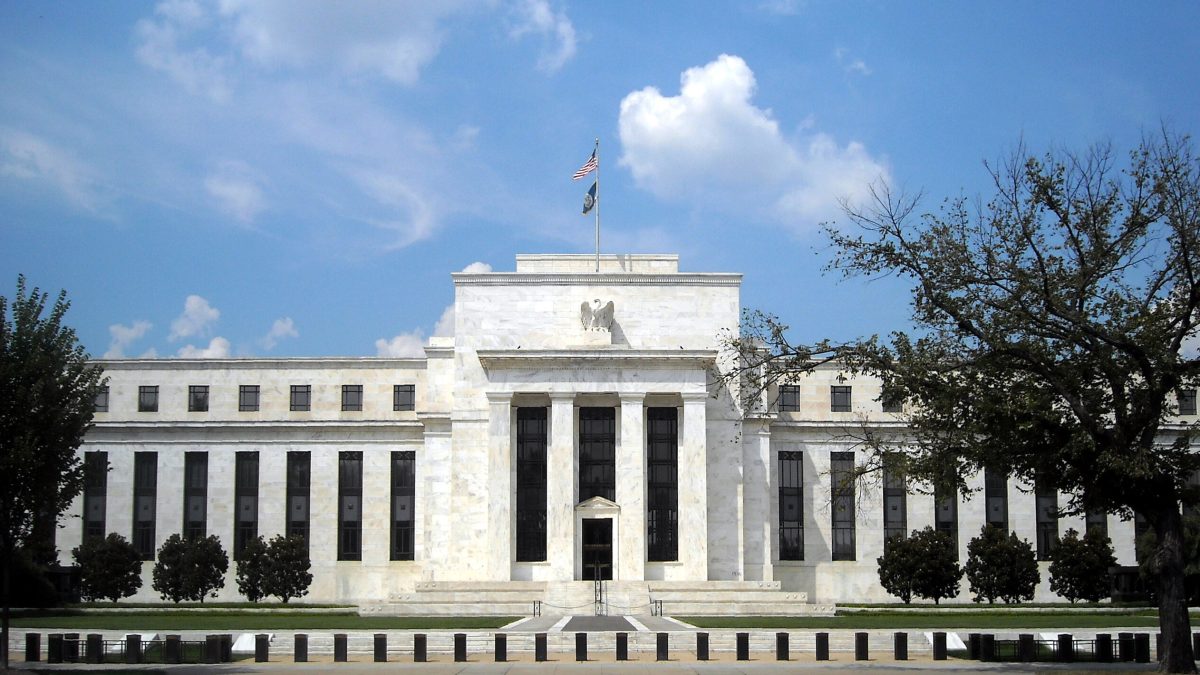
The Federal Reserve left its benchmark interest rate unchanged on Wednesday, keeping the federal funds target range at 3.75% to 4% after a meeting that ended in a split vote. Ten officials backed the decision to hold, while Lisa Cook and Beth Hammack voted against it because they wanted to raise the range by a quarter of a percentage point. The pause follows the rate increase approved at the September meeting, which lifted the range to its current level. It arrives just days before the US midterm elections, with inflation and borrowing costs at the center of the national debate.
The case for standing still rests on an economy that, in the Fed’s own words, is “expanding at a strong pace,” with job gains keeping up with the workforce and productivity growth described as strong. The data broadly support that reading. The unemployment rate was 4.2% in September, down from 4.4% a year earlier, according to Bureau of Labor Statistics figures published by the St. Louis Fed. Core consumer prices, which exclude food and energy, rose 2.6% in the 12 months to September, a pace not far from the Fed’s 2% goal. Officials who favored a hold can argue that the September increase has yet to work its way through the economy, and that moving again before its effects are visible would risk tightening policy more than necessary. Payroll growth has cooled, but the labor market has not cracked: the economy added about 29,000 jobs in September, and the unemployment rate has stayed between 4.1% and 4.3% every month since March.
The two dissenters, however, have a strong reading of the headline numbers. Overall consumer prices were 3.7% higher in September than a year earlier, far above the 2% target, and the Fed’s statement itself concedes that “inflation remains elevated.” Households are already feeling the cost: the average 30-year mortgage rate was 7.32% in the week to October 22, compared with 6.19% a year before, according to Freddie Mac data. Cook and Hammack are effectively arguing that waiting allows inflation to settle at a higher level, which would eventually demand a harsher response. The 10-year Treasury yield, which closed at 4.99% on October 27, can be read as a sign that markets expect a tougher path for rates.
The decision matters well beyond Washington. Because US interest rates and Treasury yields anchor borrowing costs worldwide, the Fed’s choices ripple through mortgage markets at home, government and corporate debt abroad, and the investment plans of companies everywhere. A central bank forced to raise rates again would add pressure to families already paying more for housing, while one that holds too long risks letting inflation become entrenched. For a world economy that depends on a stable dollar and predictable US financial conditions, the balance the Fed strikes is not a domestic matter alone. Higher rates also raise the financing costs of governments and the exchange rate pressures on trading partners that hold dollar debt, so the stakes are shared by many economies.
The Fed chose patience over another hike, but a two-vote dissent shows how narrow that call was. With inflation at 3.7% and growth still strong, the next meeting will show whether the pause was prudent or premature.