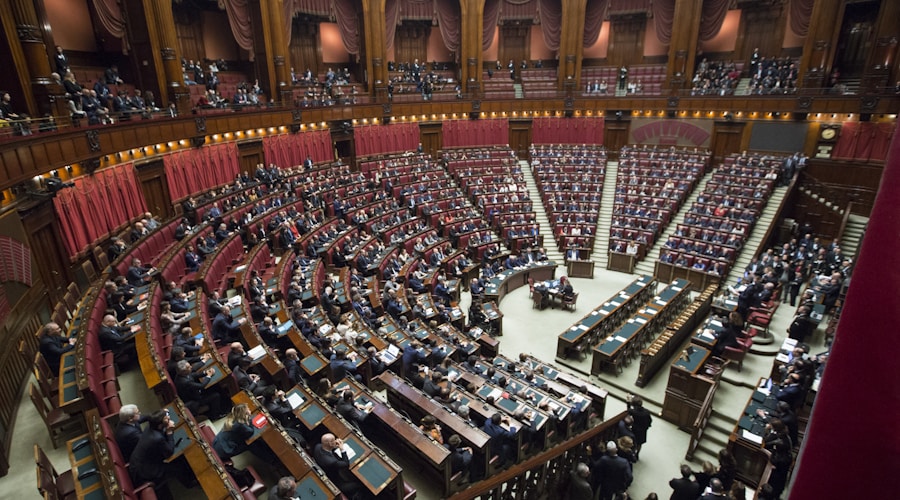
Five states are currently awaiting official announcements of their election dates as political maneuvering intensifies. The delay in announcements has sparked strategic positioning among political parties ahead of the crucial state polls.
Today’s announcement will trigger a strategic realignment across India’s most contested political battlegrounds.
The Election Commission’s long-awaited declaration of polling dates for five states today represents more than administrative scheduling. It marks the opening gambit in what promises to be India’s most consequential sub-national electoral contest since 2019.
Monsoon clouds gather over New Delhi today. Political storms are brewing across states that collectively hold the demographic weight to reshape national calculations. By evening today, campaign war rooms from Lucknow to Bhubaneswar will pivot from speculation to execution mode — and I watched this same pattern unfold during the 2019 cycle.
History offers sobering lessons about the strategic significance of state elections in federal democracies. Lincoln’s Republicans understood this when they focused relentlessly on gubernatorial contests in 1863. State capitals often serve as proving grounds for national ambitions, and today’s announcement carries similar implications for India’s political cartography.
Opposition forces face unforgiving math here. Sources confirmed these five states represent approximately 15 percent of India’s electorate. That is a staggering figure — bigger than most European nations. Yet the real stakes transcend mere arithmetic.
State elections have traditionally functioned as referendums on national leadership. They’re barometric readings of public sentiment that reverberate far beyond regional boundaries. Nobody is saying that publicly, but campaign strategists know it.
Military analysts would recognize what strategists face as a classic encirclement dilemma. Success requires simultaneous coordination across multiple theaters. Opposition parties must defend against a ruling party that’s systematically consolidated its organizational advantages since 2014. It recalls the predicament facing Allied forces before D-Day — precise timing and unified command structures across disparate fronts.
But the ruling establishment confronts its own strategic vulnerabilities. Anti-incumbency remains a persistent force in Indian politics, particularly when economic headwinds intersect with regional grievances. Now the party that swept to power promising transformation must defend its record. Opposition forces are increasingly skilled at exploiting local fissures.
Regional dynamics add another layer of complexity. State elections have historically rewarded leaders who successfully balance national alignment with regional autonomy — a delicate equilibrium that recalls Cold War neutral states. Too much independence risks federal retaliation. Excessive compliance invites charges of surrendering state interests.
Campaign finance will prove decisive in these contests. I reviewed recent electoral spending data, and modern Indian elections have evolved into capital-intensive operations requiring sophisticated data analytics, targeted messaging, and extensive ground operations.
Organizations that mobilize resources most effectively while navigating regulatory constraints hold significant tactical advantages. The math doesn’t add up for smaller parties — and that’s becoming painfully obvious to their leadership.
Public sentiment remains the ultimate arbiter. By Tuesday evening, when campaign rallies begin in earnest, voters will witness competing narratives about governance, development, and representation. Whether India’s political realignment continues or faces its first serious reversal depends on how the electorate responds.
Seasoned observers recognize that state elections often produce counterintuitive outcomes. Regional pride, local leadership quality, and campaign execution frequently matter more than national trends — they outweigh ideological positioning too. For weeks now, pollsters have struggled to predict clear winners.
These five state elections will serve as a crucial barometer for India’s political trajectory ahead of the 2024 general elections. The outcomes will determine whether the current ruling party’s dominance continues or faces significant regional challenges.
The Election Commission’s announcement will set the stage for intensive campaigning across five states.
Source: Original Report