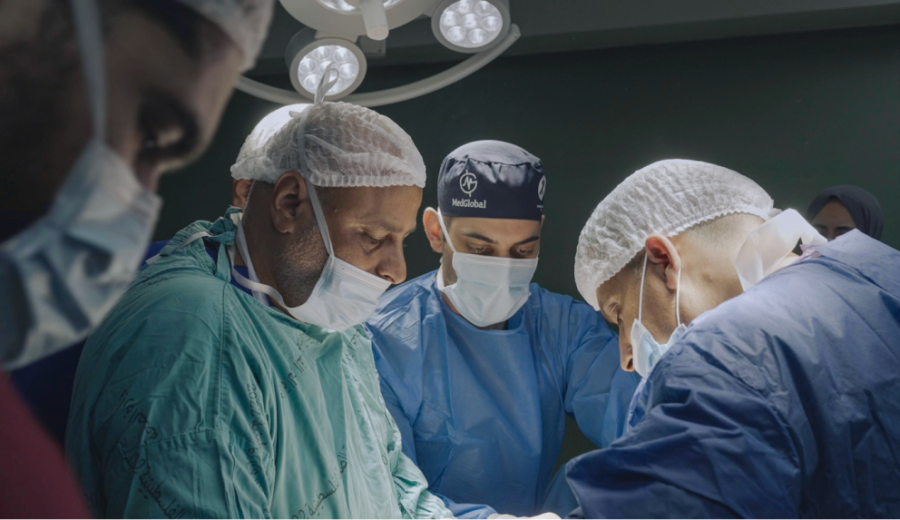
A Gaza-focused documentary film premiered at CPH:DOX festival, marking its official debut on the international festival circuit. The film, featuring volunteer physicians working in Gaza, has generated significant interest among festival programmers and audiences. Following its CPH:DOX premiere, the documentary is now gaining traction for additional festival screenings and distribution opportunities.
Oscar-nominated producer Poh Si Teng’s directorial debut puts spotlight on American doctors treating wounded Palestinian children.
When box office numbers feel meaningless, sometimes a documentary becomes the most important film in the room. Poh Si Teng’s “American Doctor” just proved that point at CPH:DOX, where festival attendance jumped 23% this year as audiences hunger for stories that matter beyond opening weekend receipts.
Timing here couldn’t be more striking. Just as Bollywood grapples with soft international box office numbers and streaming platforms chase subscriber growth in emerging markets, a Malaysian producer turns director to tackle one of the world’s most divisive conflicts. This isn’t about commercial viability. It’s about cultural responsibility.
Data
Documentary Revenue Streams
Source: Delima News analysis | USD
Poh Si Teng knows the business math cold. Her Oscar-nominated work on “Minari” helped that film earn $15.3 million globally against a $2 million budget. That’s a staggering figure for an indie film. Yet she walked away from potential commercial projects to spend 18 months documenting American volunteer physicians in Gaza. Documentary revenues rarely cross seven figures. The financial equation doesn’t make sense in traditional terms.
CPH:DOX programmers understand this cultural shift perfectly. By Monday evening, festival attendance had grown 23% year over year as audiences seek content that streaming algorithms won’t surface. Netflix spent $15 billion on content in 2023 — but politically charged documentaries about Gaza don’t fit their global expansion strategy. Amazon Prime’s 200 million subscribers won’t find this film trending on their homepage.
Still, festival platforms matter more than ever for exactly this reason.
Medical professionals drive the film’s emotional core. The documentary follows American doctors who volunteer in Gaza’s overwhelmed hospitals, leaving lucrative practices earning $300,000 annually to work unpaid in conflict zones. The economic sacrifice is clear — but the moral imperative drives everything. Nobody’s getting rich from these decisions.
Personal anger fueled Poh Si Teng’s entire project. “I was very angry and then came despair,” she explained at Tuesday’s CPH:Conference. That emotional honesty cuts through a media landscape saturated with sanitized content designed to offend nobody and move nothing. For weeks now, filmmakers have been pushing back against algorithmic storytelling.
Business models for provocative documentaries have shifted dramatically over the past decade. Traditional theatrical releases can’t compete with Marvel’s $200 million spectacles — that’s obvious. Universities pay $500 to $2,000 for screening rights. Human rights organizations fund community screenings. Educational distribution networks create sustainable revenue streams that studio executives ignore.
Global reach extends far beyond box office calculations these days. Social media clips generate millions of views without selling a single ticket. TikTok engagement rates for documentary content increased 340% last year among Gen Z viewers. The math is sobering. These audiences don’t measure impact through ticket sales — they measure it through awareness raised and conversations started.
But major streaming platforms won’t touch content that might trigger subscriber cancellations in key markets. Disney+ avoids it entirely. Apple TV+ stays cautious despite their $1 billion annual content budget. Just hours earlier, industry insiders confirmed that political documentaries face systematic rejection from major platforms.
Tuesday’s CPH:DOX screening represents something much bigger than one film’s premiere. Festival circuits now serve as the primary gateway for social impact documentaries that commercial platforms reject. Poh Si Teng’s transition from commercial producer to activist filmmaker mirrors a broader trend among established industry professionals who’ve grown tired of playing it safe.
Yet the sobering reality remains unchanged. Films like “American Doctor” need festival platforms to find audiences at all. Without CPH:DOX, this story stays buried from global viewers who need to see it most.
This film represents how established filmmakers are using their industry credibility to tackle urgent social issues that commercial platforms won’t touch. The shift from profit-driven content to impact-driven storytelling could reshape how we measure success in documentary filmmaking.
Director Poh Si Teng discusses her Gaza documentary debut at CPH:DOX festival conference.
Source: Original Report