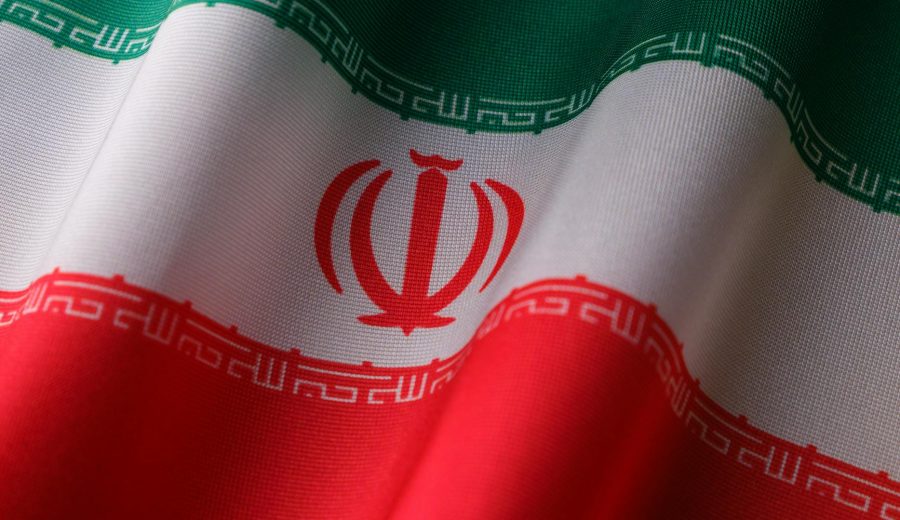
Iran is experiencing a simultaneous dual crisis where citizens face threats from both external bombing threats and internal government repression. The situation has created an unprecedented humanitarian challenge, trapping the population between military threats and state crackdowns. Experts warn the combination poses severe risks to civilian safety and stability.
Tehran residents face mounting pressure from external strikes and internal crackdowns as the regime tightens control.
Cardamom tea’s aroma mingles with whispered conversations at Café Naderi, where Tehran’s intellectuals once debated poetry and politics with equal passion. Today, the century-old coffeehouse echoes with hushed fears about Israeli airstrikes overhead and morality police patrols below.
Patrons shift nervously as sirens wail in the distance. Their conversations reveal a city caught in a vise. “We live between the hammer and the anvil,” says Reza, a literature professor who won’t give his full name. “The bombs fall from the sky while the batons wait in the streets.”
This double bind shows Iran’s deepening crisis. The regime faces unprecedented external pressure from US sanctions and Israeli military operations. It responds by squeezing its own people harder. The logic seems backwards until you understand the math of authoritarian survival.
Social changes that began with the Woman, Life, Freedom protests continue beneath the surface. Young women still push hijab boundaries. University students organize quiet resistance. Workers strike despite harsh penalties. These acts of defiance represent something the regime fears more than foreign missiles. Nobody is saying that publicly.
Economic reality makes everything worse. Inflation devours middle-class savings while the rial loses value daily. Construction sites across north Tehran stand half-finished — their cranes frozen like metal prayers against an uncertain sky. The workers who built these towers now struggle to afford bread.
By Tuesday evening, power cuts had hit three major districts. Just hours earlier, officials blamed “technical difficulties.” Residents know better. The infrastructure strains under sanctions while resources flow to military priorities. The timing is striking.
Tehran’s grip tightens through familiar methods. More morality police patrol shopping districts. Internet speeds slow to a crawl during evening hours. University professors receive warnings about classroom discussions. Each external pressure point becomes an excuse for internal restrictions.
Yet this strategy carries enormous risks. History shows that regimes facing dual pressures often crack along unexpected lines. The shah fell not during economic prosperity but when external support vanished and internal dissent exploded. Today’s Iranian leaders remember that lesson well.
Regional power dynamics add another layer of complexity. Tehran projects strength through proxy forces across the Middle East while its domestic foundation weakens. This contradiction can’t last indefinitely. Something must give.
Ordinary Iranians face a sobering equation. They deal with rising prices, falling freedoms, and constant threat of violence from multiple directions. That’s a staggering figure of suffering. Many speak of leaving if they can. Others prepare for darker days ahead.
But resilience runs deep in Persian culture. “This too shall pass” remains a common refrain, borrowed from ancient wisdom. The question is what will emerge from the current storm. The math doesn’t add up for peaceful resolution.
Still conversations continue at Café Naderi despite the dangers. Ideas survive even when buildings fall. That persistence may prove more powerful than any weapon in determining Iran’s ultimate fate.
Iran’s internal crisis affects regional stability and global energy markets while revealing how authoritarian regimes respond to combined external and internal pressures. The outcome will shape Middle Eastern geopolitics for decades to come.
Tehran residents gather at Café Naderi amid growing tensions from external threats and internal crackdowns.
Source: Original Report