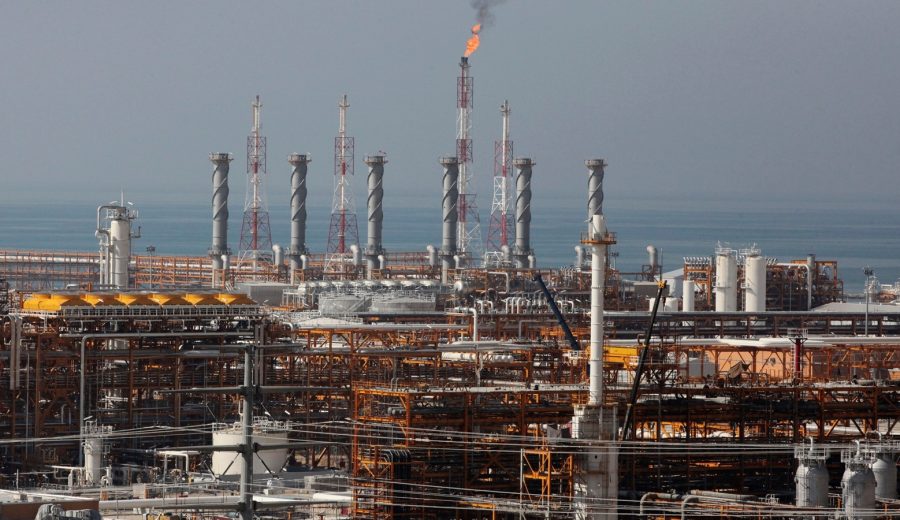
A significant gas field strike in Iran has caused energy prices to spike 12% overnight, marking a dramatic shift in global energy markets. The incident occurs amid rising tensions between Iran and Israel, adding geopolitical uncertainty to commodity prices. Market analysts expect continued volatility as the situation develops.
Israeli bombing of South Pars field threatens global LNG supplies as Tehran promises swift retaliation.
Natural gas futures surged 12.3% to $4.87 per million British thermal units in overnight trading following Israel’s strike on Iran’s South Pars field. The attack on the world’s largest gas reservoir triggered immediate supply concerns across European and Asian markets.
Tuesday’s strike hit Iran where it hurts most. The South Pars field produces roughly 2.9 billion cubic feet of natural gas daily — that’s equivalent to 8% of Iran’s total energy output. The math is sobering. European gas benchmarks jumped 15.7% within hours of the strike reports. Asian LNG spot prices climbed to $18.40 per million BTU, the highest level since March 2022.
Data
Energy Market Impacts from Iranian Gas Disruption
Source: Delima News analysis | percent
Buyers now scramble for alternative supplies. Iran exports approximately 21.2 million cubic meters of gas daily through existing pipelines to Turkey and Iraq. The South Pars facility processes 40% of this volume. Initial damage assessments suggest production capacity could drop by 1.8 billion cubic feet per day for at least six weeks. That is a staggering figure.
By Tuesday evening, OPEC+ members convened an emergency session. Saudi Arabia and the UAE signaled potential production increases to offset Iranian shortfalls. But natural gas can’t substitute for oil, and LNG infrastructure remains constrained. Global LNG trade volumes already sit 7.3% below 2023 levels due to maintenance delays at Australian facilities. The timing couldn’t be worse.
Europe faces its most vulnerable moment in months. EU gas storage levels stand at 67.4% — well below the 80% target for winter preparation. Germany’s energy mix depends 32% on natural gas imports. France relies on gas for 19% of electricity generation. Both nations scramble to secure alternative supplies.
Commodity markets reflect broader anxiety about supply chains. Lithium carbonate prices climbed 34% since August. Rare earth elements show similar stress patterns. The Energy Transition Minerals Index gained 8.7% on Tuesday alone. Clean energy infrastructure requires both stable power grids and critical mineral inputs — Iran’s gas disruption threatens both.
Households will feel this pain directly. European energy bills could rise 23% if Iranian supplies remain offline through winter. Industrial users face steeper increases. Aluminum smelting operations require consistent gas supplies, while chemical manufacturers depend on gas as both fuel and feedstock. Production cuts seem likely within 30 days.
Iranian officials didn’t waste time issuing threats. Tehran controls 18% of global gas reserves and could target shipping lanes in the Strait of Hormuz. That waterway handles 21% of global LNG transit. Any disruption there would send prices above $25 per million BTU. Nobody’s saying that publicly, but traders are pricing in the risk.
But here’s what makes this crisis different from oil shocks. Global spare LNG capacity sits at just 2.1% of total demand. Compare that to oil markets, where spare capacity reaches 4.7%. Gas markets lack strategic reserves and flexible transport options. Pipeline gas can’t easily reroute when conflicts emerge.
Still, the full impact depends on what happens next. South Pars contains proven reserves of 51 trillion cubic meters — roughly 18% of global gas reserves. Even temporary production losses carry outsized market impact. For weeks now, analysts warned about tight supply conditions heading into winter heating season, which starts in October across Northern Hemisphere markets.
Yet traders won’t wait for winter to price in worst-case scenarios. Just hours earlier, European officials discussed emergency rationing protocols. Germany activated early warning measures for its gas emergency plan. France began talks with Algeria about increasing pipeline deliveries. The scramble is real.
The South Pars strike exposes critical weaknesses in global gas supply chains just as winter demand approaches. Iran’s outsized role in energy markets means any production disruption creates immediate price shocks for consumers and industries worldwide.
The South Pars gas field processes 2.9 billion cubic feet of natural gas daily for global export markets.
Source: Original Report