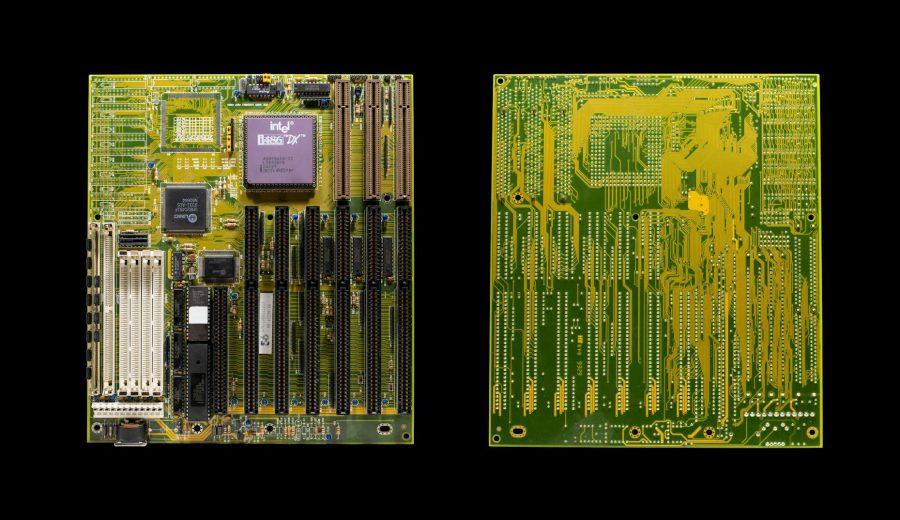
Iran’s intelligence chief was killed in an airstrike, causing significant disruptions to regional technology supply chains. The incident escalates tensions between Iran and Israel, with potential consequences for global tech exports and regional stability. Major semiconductor and electronics suppliers in the region are reassessing operations.
The targeted killing of Esmail Khatib creates ripple effects across semiconductor manufacturing networks in the Middle East.
The death of Iran’s intelligence minister Esmail Khatib marks more than a geopolitical flashpoint. It threatens to disrupt critical supply chains that connect Middle Eastern fabrication facilities to global semiconductor networks.
Manufacturing at the 3-nanometer threshold represents a critical inflection point in modern chip production. Iran’s semiconductor ambitions, while modest compared to Taiwan or South Korea, play a crucial role in regional supply chains. Khatib’s death comes when these networks face unprecedented strain.
Operations at several foundries producing chips at 90-nanometer and 65-nanometer process nodes continue across Iran. These aren’t cutting-edge by today’s standards. They’re essential for automotive chips, power management units, and industrial controllers. Facilities in Isfahan and Tehran handle specialized manufacturing that serves regional markets from Turkey to Pakistan.
Khatib oversaw technology transfer agreements that kept these fabs operational. His network managed the flow of lithography equipment, photoresists, and specialized gases that semiconductor manufacturing requires. Without these inputs, even basic chip production stops within weeks. The timing is striking.
Deep ultraviolet lithography systems need constant maintenance and calibration. Iran’s fabs rely on refurbished ASML equipment from the early 2000s. These machines require specific spare parts and technical support that flows through informal channels. Khatib’s intelligence network made these connections possible.
For weeks now, global chip shortages have made even older-generation semiconductors valuable. Automotive manufacturers pay premium prices for 90-nanometer chips that cost pennies just three years ago. Iran’s modest production capacity suddenly matters. The economics shifted overnight.
But manufacturing hurdles compound quickly in semiconductor production. A single contamination event can destroy weeks of work. Political instability creates uncertainty that makes fab operations nearly impossible. Workers need consistent schedules, clean environments, and reliable supply deliveries.
Economics tell a sobering story here. A typical 200-millimeter fab requires $500 million in annual operating costs. That’s a staggering figure. Iran’s facilities operate on much smaller budgets, but they still need steady revenue streams. Regional customers who relied on Iranian chips now face supply disruptions.
Just hours after confirmation of Khatib’s death, semiconductor traders in Dubai reported price spikes for basic controller chips. Markets react swiftly to supply uncertainty. Even the perception of disruption drives prices higher. Nobody anticipated this speed of response.
Israel’s targeting of Iran’s intelligence apparatus sends clear signals about technology transfer. Messages reach beyond Iran to other countries attempting to build domestic chip capabilities. Technical knowledge networks become military targets in this landscape.
Yet broader implications extend to civilian technology. Medical devices, power grid controllers, and telecommunications equipment all depend on steady chip supplies. Regional hospitals and utilities that source components through Iranian networks now face potential shortages. The math doesn’t add up for quick fixes.
Replacement fab economics don’t favor quick solutions. Building new semiconductor capacity takes three to five years minimum. Moving existing supply relationships requires months of qualification testing. The Middle East’s modest chip production network just lost its key coordinator.
Still, by Tuesday evening, industry analysts were modeling supply chain alternatives. Their calculations show limited options for replacing Iranian capacity in the short term. The numbers aren’t encouraging.
Khatib’s death disrupts semiconductor supply chains serving critical infrastructure across the Middle East. The targeting of intelligence networks that help technology transfer creates new vulnerabilities in global chip manufacturing. Regional fab operations face immediate operational challenges that could affect civilian technology systems.
Iranian semiconductor fabs rely on complex international supply networks now disrupted by intelligence chief’s death.
Source: Original Report