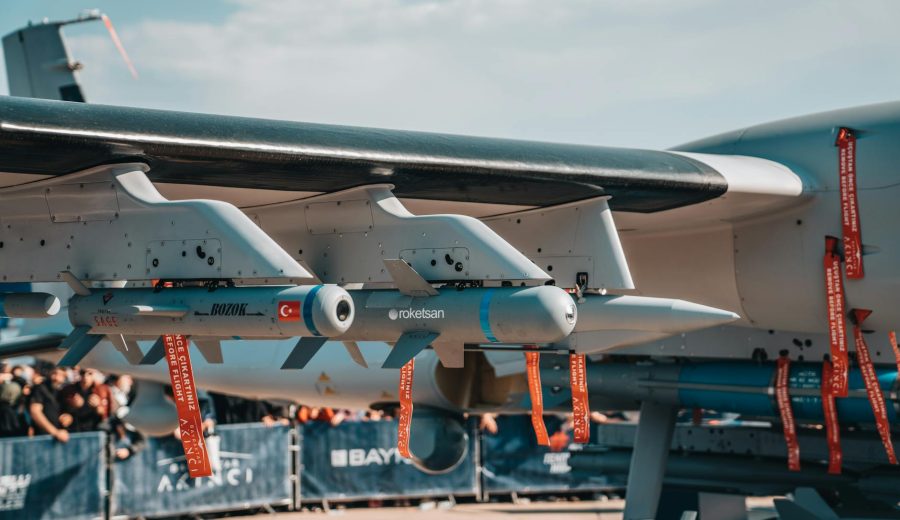
Iran launched a significant missile strike against Israel, prompting immediate regional military responses. Gulf states have activated a coordinated missile defense network to monitor and counter potential threats. This escalation marks a critical moment in Middle East geopolitical tensions.
Regional powers intercept Iranian projectiles while Tehran mourns key figures in escalating conflict.
The evening call to prayer echoed across Tehran’s Behesht-e Zahra cemetery as thousands gathered to mourn Ali Larijani and Qasem Soleimani, their black banners whipping in the wind like storm clouds before lightning. Hours later, that lightning struck Israel in the form of missiles and drones, killing two people and drawing Gulf monarchies into an unprecedented regional defense network.
Café owners in Dubai Marina switched off their outdoor screens showing Iranian state television by Tuesday evening. The conversations continued in hushed Arabic and Farsi. “The fire has spread beyond the neighbors’ house,” one Emirati businessman told his Iranian partner over cardamom tea. This old saying captures what military analysts are calling a fundamental shift in Middle Eastern warfare.
Data
Missile Defense System Costs in Gulf Region
Source: Delima News analysis | millions USD / percent increase
Tehran’s latest strikes represent more than retaliation. They mark the transformation of what was once a shadow war into open regional conflict. The timing is striking — just as Iran’s clerical establishment displayed its grief publicly, it launched attacks that forced Gulf Arab states to choose sides openly.
Bahrain, Qatar, the UAE, and Saudi Arabia all activated missile defense systems by midnight Tuesday. These same countries spent decades walking diplomatic tightropes between Washington and Tehran. But Tuesday night found them shooting down Iranian projectiles alongside Israeli and American forces.
Economic calculations reveal the true cost. Each interceptor missile costs between $2 million and $4 million. That’s a staggering figure. Patriot systems defending Saudi oil facilities burn through more money in one night than most countries spend on defense in a month. The alternative carries a higher price tag.
Oil markets absorbed the news with measured panic. Brent crude jumped 4 percent in after-hours trading. Insurance rates for tankers in the Strait of Hormuz doubled overnight. The math reveals what diplomats won’t say publicly: this conflict costs everyone except those selling weapons.
Still, the Gulf states’ participation signals something deeper than economic calculation. Crown Prince Mohammed bin Salman’s Saudi Arabia and Sheikh Mohammed bin Zayed’s UAE have spent years building military capabilities specifically for this moment. Their populations, increasingly connected to global markets and social media, understand the stakes differently than their parents did.
Social change is visible in Riyadh’s coffee shops and Abu Dhabi’s business districts. Young Emiratis and Saudis speak about Iranian threats the way their counterparts in Tel Aviv do. They see economic integration with Israel as insurance. The old sectarian narratives matter less when Iranian missiles threaten the stock markets where their futures are invested.
Leadership in Tehran faces its own contradictions. The crowds mourning recent losses represent the revolutionary generation. Younger Iranians, struggling with sanctions and inflation, question whether confrontation serves their interests. Nobody is saying that publicly. The regime’s response involves doubling down on external conflict to maintain internal unity.
Regional power balance shifted Tuesday night in ways that won’t reverse easily. Gulf Arab states crossed a line from passive defense cooperation to active military partnership with Israel. Iran demonstrated it can strike Israeli territory despite multiple defense layers. Both developments guarantee this conflict will expand rather than contain itself.
But the desert winds that carried smoke from Iranian missiles also carry the ashes of the old Middle Eastern order. For weeks now, diplomats have watched this moment approach. They’ve prepared contingency plans and emergency protocols.
Yet when the missiles finally flew, the response revealed how much has already changed. Traditional alliances mean less than shared threats. Economic interests trump historical grievances. The Gulf monarchies chose prosperity over ideology.
The unprecedented cooperation between Gulf Arab states and Israel in defending against Iranian attacks marks a fundamental realignment in Middle Eastern security architecture. This escalation transforms proxy conflicts into direct regional warfare, threatening global energy supplies and economic stability while forcing longtime rivals into new military partnerships.
Air defense systems activate across the Gulf as Iranian missiles target Israeli positions.
Source: Original Report