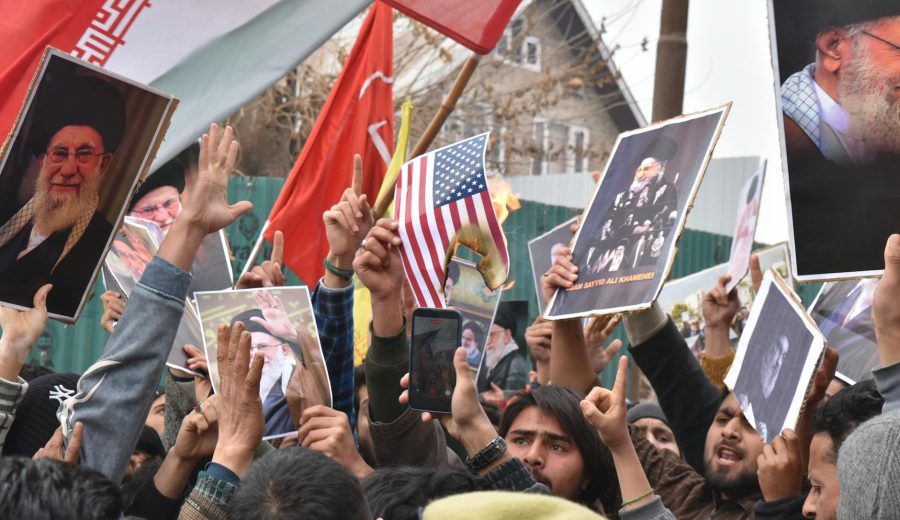
Iran’s newly appointed supreme leader is facing direct threats from Israel, with officials using the term ‘neutralise’ regarding potential military action. The statement marks an escalation in ongoing tensions between the two nations. Regional analysts warn of potential consequences for Middle East stability.
Mojtaba Khamenei hasn’t appeared publicly since taking power as Israel vows action.
The smoky backrooms of Tehran’s traditional tea houses buzz with whispered conversations about power and succession. Yet the man everyone discusses remains invisible. Mojtaba Khamenei, Iran’s newly appointed Supreme Leader, has vanished from public view just as Israel promises to “neutralise” him.
Ornate ceremonial halls where Iran’s clerical establishment gathered to anoint their new supreme guide now echo with absence. By Tuesday evening, three weeks had passed since Mojtaba Khamenei’s appointment. Still, no public appearance. No televised address. No Friday prayer sermon.
Israeli officials made their threat within hours of the succession announcement. Defense Minister Yoav Gallant’s words were blunt. “We will neutralise any threat from Iran’s new leadership,” he told reporters in Jerusalem. The message couldn’t be clearer. The timing is striking.
Underground, this invisible leadership reflects Iran’s deeper contradictions. Young Iranians scroll through Instagram stories showing uncovered women dancing at underground parties. They order foreign goods through encrypted apps. Yet their new supreme leader hides from cameras while wielding absolute power over 85 million people.
Harsh economic reality makes Mojtaba’s predicament worse. Iran’s currency has lost 80 percent of its value since 2018. That is a staggering figure. Oil revenues remain choked by sanctions. The government owes billions to Chinese creditors. Young graduates drive taxis because factories can’t afford to hire them.
But Mojtaba inherits more than economic troubles. He faces legitimacy questions his father never confronted. Ayatollah Ali Khamenei earned revolutionary credentials fighting the Shah. His son earned a seminary degree and family connections. Iranian social media mocks him as “Agha Pesare” — the boss’s son.
Revolutionary Guards maintain their grip despite popular frustration. They control key industries from oil to telecommunications. Basij militias monitor neighborhoods for signs of dissent. Security cameras track protesters before they reach the streets. Yet this control requires constant vigilance and growing brutality.
External pressure now compounds internal weakness through Israel’s threat. The timing suggests careful calculation. Israeli intelligence likely knows Mojtaba’s vulnerabilities — his inexperience with military affairs, his lack of revolutionary mystique, his dependence on hardline advisors who mistake volume for strength. Nobody is saying that publicly.
Regional powers watch this drama unfold with keen interest. Saudi Arabia sees opportunity in Iranian instability. Turkey calculates how to exploit any succession crisis. Russia needs Iranian drones for Ukraine but won’t sacrifice Moscow’s interests for Tehran’s survival.
Calculations for Iran’s new leader don’t add up. He must satisfy hardliners who put him in power while managing an economy in freefall. The math is sobering. He must project strength against Israeli threats while lacking his father’s authority. He must control a society that increasingly rejects clerical rule.
For weeks now, ordinary Iranians have adapted as they always have. They create parallel economies using cryptocurrency. They watch banned movies through VPNs. They find ways to live despite their leaders’ failures.
Café conversations continue in hushed tones across Tehran. But the questions grow sharper. How long can invisible leadership last in an age of social media? How much economic pain will people accept? And what happens when threats from abroad meet weakness at home?
Just hours earlier, one Tehran university student whispered over cardamom tea what many think. “A leader who can’t show his face has already lost the battle.”
Iran’s leadership transition occurs during maximum economic and security pressure, creating unprecedented instability in a key regional power. The combination of Israeli threats, internal legitimacy questions, and economic crisis could reshape Middle Eastern geopolitics. How Mojtaba Khamenei handles these challenges will determine Iran’s trajectory and regional influence.
The seat of Iran’s Supreme Leader remains symbolically vacant as Mojtaba Khamenei avoids public appearances amid Israeli threats.
Source: Original Report