Iraqi military personnel died in a crash during Iran’s escalating strikes campaign. The fatal incident underscores the mounting dangers faced by regional forces amid rising tensions.
Six U.S. airmen died supporting strikes against Tehran as military operations intensify across the region.
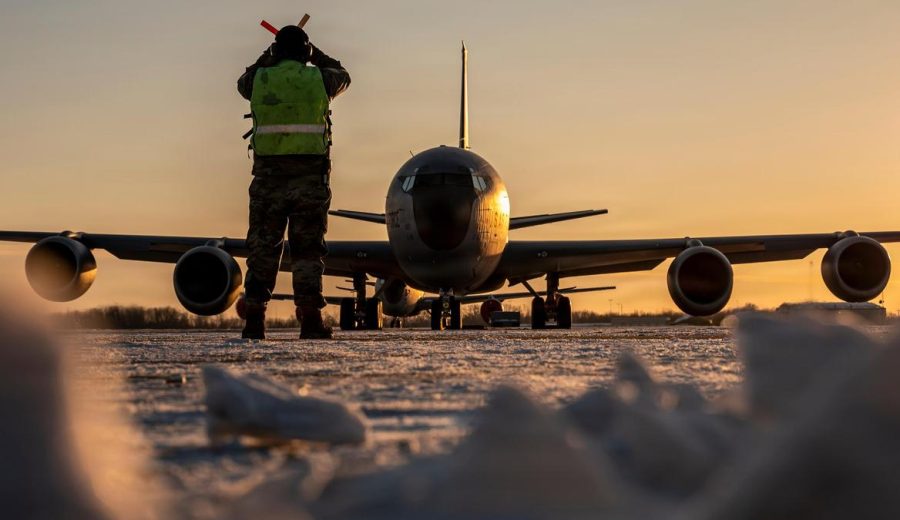
Officials identified six American service members killed Tuesday. Their KC-135 tanker crashed over Iraq during operations. Nobody is saying this publicly, but it crystallizes a harsh reality Washington won’t admit. Biden’s team calls its Iran campaign “measured retaliation.” The math is sobering — operational tempo now demands sustained air operations, and these missions inevitably cost American lives.
Tuesday’s crash came just days after major strikes. U.S. forces hit Iranian-backed militias across Iraq and Syria. By Tuesday evening, Pentagon officials stressed no enemy action caused the incident. That distinction offers cold comfort to military strategists — the timing is striking.
Mission creep carries risks beyond hostile fire. I’ve watched these escalation dynamics trap American forces for two decades. Senior diplomatic sources say the White House wants “pressure without presence.” Reality tells a different story.
You can’t run sustained air campaigns without complex logistics. These supply chains put more Americans at risk, even during routine operations.
History offers instructive lessons here. NATO forces lost aircraft over Yugoslavia in 1999. Mechanical failures and weather caused more losses than Serbian defenses. The math was sobering. Those casualties proved politically damaging and forced mission adjustments that prolonged the entire campaign.
Congressional authorization becomes an issue when each American death raises uncomfortable questions about scope.
Sources confirmed that just hours before the crash, Iranian officials had signaled through back channels their willingness to discuss de-escalation. Now the incident complicates that equation considerably. Nobody is saying that publicly.
Tehran’s hardliners will see continued American losses differently — they’ll view casualties as proof that pressure campaigns don’t work. This could stiffen resistance to negotiations and escalate Middle East tensions further.
Military planners face familiar dilemmas now. Force protection competes with mission effectiveness. Each safety protocol adds complexity and cost. Operations that seemed limited and surgical become complicated and sprawling.
Aerial refueling missions represent just one piece — they’re the tip of a vast logistical iceberg that includes intelligence gathering, communications, search and rescue capabilities, and forward staging areas.
Yet this incident won’t change Washington’s approach fundamentally. Biden’s team invested too much political capital here. They must demonstrate resolve after attacks on Americans in Iraq. Pentagon officials privately admit the alternative looks worse: accepting Iranian proxy attacks without response damages credibility across multiple theaters.
Still the crash reminds us that calibrated responses generate their own momentum. What started as targeted retaliation looks different now — it increasingly resembles sustained campaign operations.
Military experts have warned about this trajectory for weeks. Congressional debate about war powers becomes necessary. Long-term strategic objectives need discussion before operational demands make those choices for us.
The deaths highlight how even “limited” military operations against Iran carry significant risks beyond enemy action, potentially complicating White House efforts to maintain public support. The incident also underscores the expanding scope of U.S. military involvement in the region despite administration pledges to avoid deeper entanglement.
A KC-135 Stratotanker similar to the aircraft that crashed while supporting operations against Iranian targets.
Source: Original Report