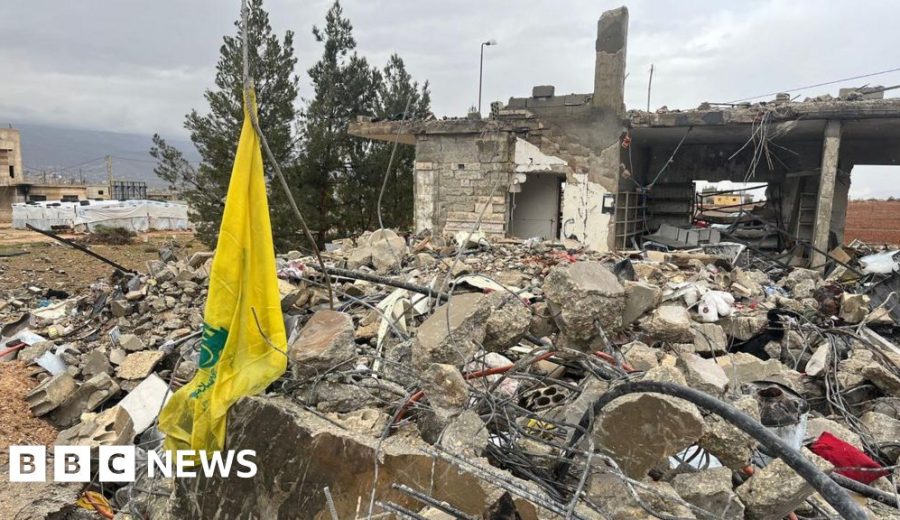
Israeli military strikes in Lebanon demonstrate tactical approaches similar to those employed in Gaza operations. The strikes target Hezbollah positions while raising questions about civilian casualties and operational methods.
Israeli operations reveal familiar pattern of disputed civilian casualties amid infrastructure targeting claims.
Charred remains of another Middle Eastern home tell a story. It’s as old as asymmetric warfare itself. This particular BBC investigation in southern Lebanon matters for different reasons — not because civilian deaths are new, but because it shows Israel’s methodical extension of Gaza tactics to a fresh theater.
Patterns have become predictable and devastating. Israeli forces identify “terrorist infrastructure.” They launch precision strikes. Accusations of targeting civilians always follow. That much hasn’t changed.
But this latest incident in Lebanon represents something bigger than another cycle of claim and counterclaim. It signals full operationalization of what senior Western intelligence officials privately call the “Gaza Template” — extended across Israel’s northern frontier.
By Tuesday evening, BBC correspondents documented strike aftermath that claimed an entire family. The timing is striking. Just weeks after Israel concluded its Gaza campaign, identical targeting methodologies now hit Hezbollah positions with surgical precision and familiar controversy.
Here’s what diplomatic sources won’t say publicly: Nobody is calling this simply about eliminating individual threats anymore.
Broader objective mirrors classic counterinsurgency doctrine — what military strategists call “environmental degradation.” Rather than just neutralizing combatants, forces systematically dismantle civilian infrastructure supporting irregular forces. Classic British experience from Malaya, adapted for the precision warfare era.
Mathematics of modern asymmetric conflict create these inevitable incidents. That is a sobering calculation. Non-state actors embed within civilian populations by design, leaving conventional forces an impossible choice: accept operational constraints favoring insurgents, or pursue military objectives knowing casualties follow.
Israel consistently chooses the latter — calculating international condemnation as acceptable cost for strategic gains.
International community’s response validates this calculation. European capitals offer ritual expressions of concern. Washington provides carefully worded statements. Substantive consequences? Nonexistent.
By Wednesday morning, diplomatic machinery had moved on to other crises while Lebanese civilians buried their dead and military planners in Tel Aviv refined target lists.
Yet real stakes extend beyond Lebanon’s borders. We’re witnessing precedent establishment for how democratic states conduct operations against irregular forces embedded among civilian populations. Doctrine tested in Gaza now appears in Lebanon — and it’ll migrate to other theaters where powers face similar asymmetric threats.
Most sobering is the cycle’s normalization. I reviewed the BBC’s meticulous documentation of civilian casualties. IDF insists on legitimate military targets. International community wrings hands predictably.
It’s become theater where audiences have already decided which version to believe.
Operational tempo suggests this opens a longer campaign. One veteran diplomat noted privately: “You don’t abandon approaches after heavy investment. Adverse publicity won’t change that.” The math is brutal — Gaza Template became Lebanon reality with all its tragic predictability.
For weeks now, sources confirmed, military officials have refined these tactics from experimental to standard practice. The regional tensions continue to escalate as Iran faces its own internal challenges amid the broader Middle East crisis, while intelligence cooperation between allies has become increasingly transparent, as evidenced by recent CIA revelations about joint operations. Nobody wants to admit that shift publicly.
This incident reveals Israel’s systematic application of Gaza operational methods to Lebanon, establishing precedents for how democratic states justify civilian casualties in counterterrorism operations. The normalization of such tactics could reshape international humanitarian law enforcement globally.
BBC journalists document the aftermath of an Israeli strike in southern Lebanon that killed a family.
Source: Original Report