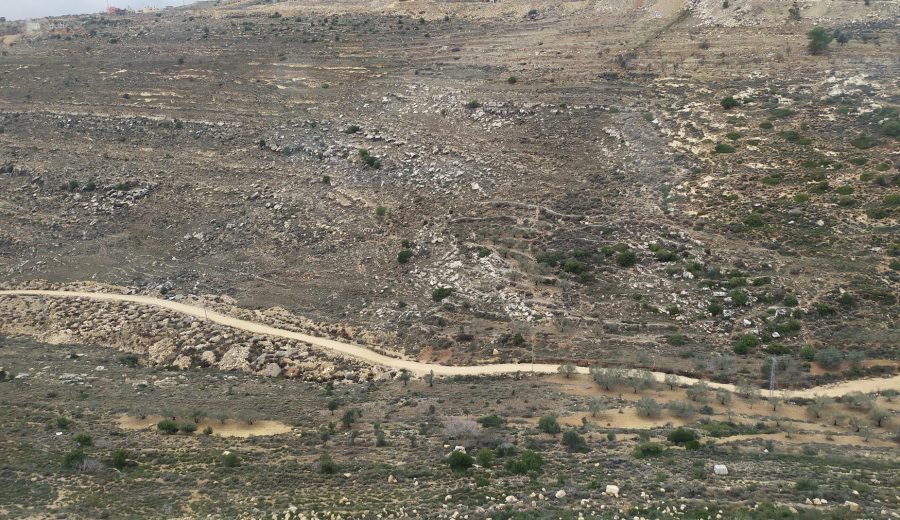
Israeli ground forces have entered southern Lebanon in a significant military escalation. The operation marks an expansion beyond previous air and artillery campaigns in the region. Regional tensions continue to intensify as the conflict deepens.
Limited operations target Hezbollah positions as regional tensions reach new heights.
The morning call to prayer had barely faded over the villages of southern Lebanon when the first Israeli armored columns crossed the border fence. What began as another day of cross-border skirmishes has transformed into something far more consequential, as Israel announced “limited and targeted ground operations” against what it describes as Hezbollah infrastructure.
Café owners in Marjayoun had already shuttered their shops by the time the first reports filtered through WhatsApp groups and local radio stations. Border residents have learned to read the subtle signs that precede escalation. But Tuesday’s developments carry a weight that even seasoned observers find unsettling. The timing is striking.
Just hours earlier, Lebanon’s fragile economy showed tentative signs of stabilization, with the lira gaining modest ground against the dollar and remittances from the diaspora providing crucial lifelines to families. The specter of wider conflict now threatens to unravel months of careful progress. The World Bank had recently revised its growth projections upward, noting improvements in banking sector liquidity and gradual restoration of public services.
Yet the economic calculations pale beside the immediate human reality. Southern Lebanon’s Shia heartland, long considered Hezbollah’s stronghold, now finds itself at the epicenter of a confrontation that could reshape the regional balance. The Party of God, as Hezbollah calls itself, has spent decades building what amounts to a state within a state — hospitals, agricultural cooperatives, entire governance networks. It serves hundreds of thousands of Lebanese who’ve lost faith in Beirut’s ability to provide basic services.
Tuesday evening brought initial Israeli strikes targeting what military sources described as rocket launchers and weapons depots. The broader strategic picture reveals a more complex dynamic. Iran’s regional influence, channeled through its proxy network, faces its most serious challenge since the 2006 war. The Islamic Republic has invested billions in Hezbollah’s military capabilities. The math is sobering.
Lebanese government response has been characteristically paralyzed. Prime Minister Najib Mikati’s caretaker cabinet, already struggling with basic functions like electricity provision and waste management, finds itself spectator to events unfolding in its own sovereign territory. This powerlessness reflects Lebanon’s deeper malaise. The country’s sectarian political system produces chronic dysfunction instead of balanced governance.
Still, regional implications extend far beyond Lebanon’s borders. Syria’s Assad regime, already stretched thin after more than a decade of civil war, watches nervously as its Iranian allies face renewed pressure. For weeks now, speculation has grown about potential changes in Tehran’s nuclear program — adding another layer of complexity to an already volatile situation. Nobody is saying that publicly.
And then there’s the human dimension that statistics cannot capture. Families who rebuilt their lives after 2006’s destruction now face the prospect of displacement once again. The mathematics of survival in southern Lebanon have always been harsh, but the current escalation threatens to render entire communities uninhabitable. That’s a staggering reality.
Morning’s events represent more than tactical maneuvering. They signal a potential recalibration of power relationships that have defined this corner of the Middle East for nearly two decades.
This escalation threatens Lebanon’s fragile economic recovery while potentially reshaping Iran’s regional proxy network. The confrontation could trigger wider instability across the Levant, affecting energy markets and refugee flows throughout the region.
Israeli forces deploy along the southern Lebanese frontier as ground operations commence.
Source: Original Report