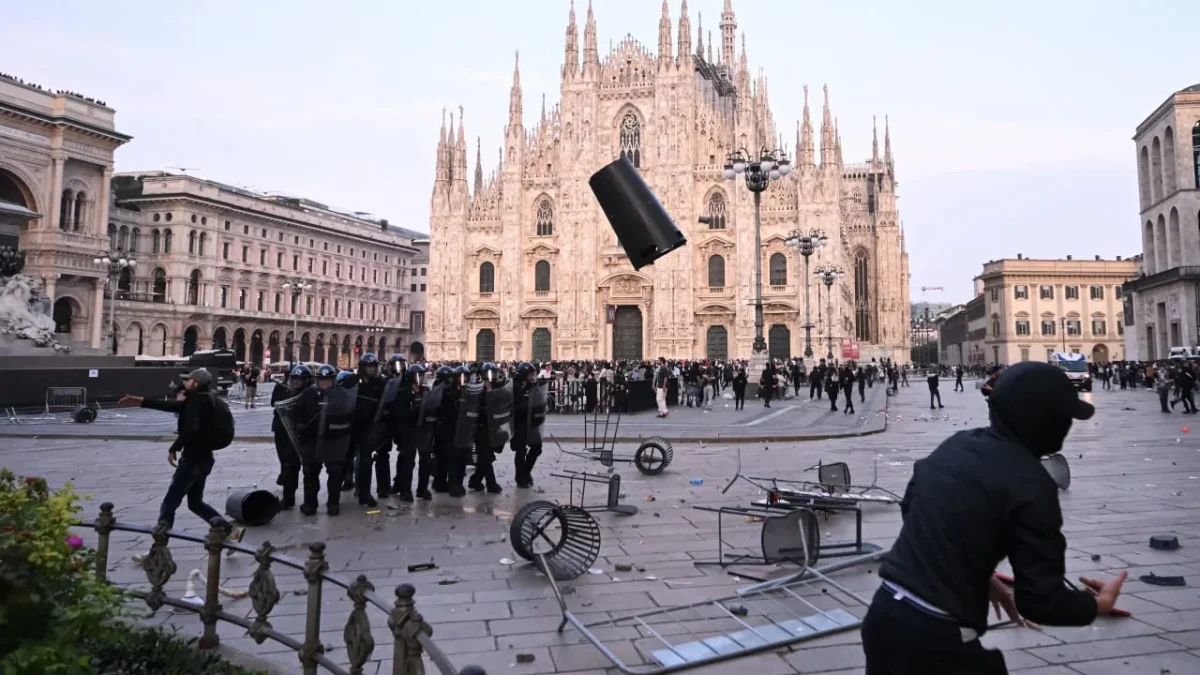
Italy’s government approved sweeping security measures on October 21, 2026, after weekend riots in Milan and other northern cities, including the deployment of 500 soldiers to Milan, according to Al Jazeera and France 24. The measures create a new offence for taking part in violent protest, carrying up to five years in prison for groups of five or more people who endanger public safety, and a maximum fine of 20,000 (about $22,460), with harsher penalties if faces are covered or people are injured. Parents can be held financially liable when their children take part in vandalism or looting, and police can detain young people aged 14 to 17 based on an assessment of danger. Prime Minister Giorgia Meloni said: “Destroying and stealing is not protest, it is crime, and the state’s response must be firm.”
The case that firm measures are needed is based on the nature of the unrest. Al Jazeera reported that mainly young protesters looted shops and damaged property in Milan and other northern cities over the weekend. Deploying 500 soldiers adds manpower in the city, and a specific offence for violent participation gives prosecutors a clearer tool than existing public-order laws. Penalties that rise when faces are covered or injuries occur target the behaviour that the government considers most dangerous. The south is also seeing disruption, as truck drivers protest over diesel prices and the cost of living.
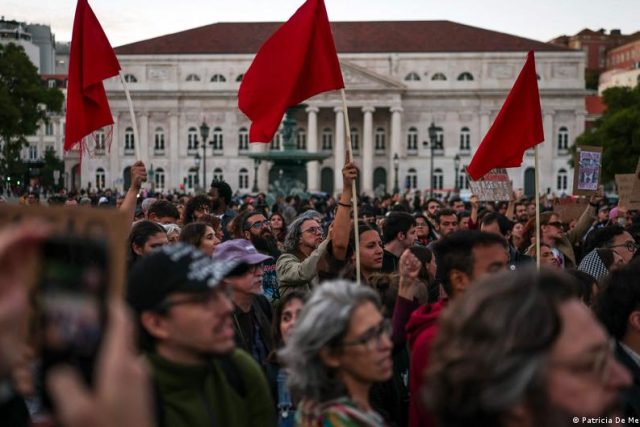
The case against the package is that it responds to the symptoms and not the causes, and that it raises questions about rights. The protests were driven by soaring fuel and energy prices, high rents, low wages and shortcomings in public services, grievances that the new measures do not address. Detaining 14- to 17-year-olds on a danger assessment and making parents liable for children’s acts are measures that critics are likely to say go beyond what is needed. President Sergio Mattarella blocked a proposal to give soldiers policing powers, which shows that even within the state there are limits on how far the response should go. A fine of 20,000 and up to five years in prison are heavy penalties for young people with little money, and similar protests in France, Belgium, Spain and Portugal show that the cause is not confined to Italy.
The measures matter because Italy is the latest European country to respond to cost-of-living unrest with a security focus, and their effect will be watched by governments elsewhere. If the soldiers and new penalties calm the streets, other capitals may copy them, and if the protests continue, the government may face pressure to address wages, rents and energy costs. For young Italians, the combination of a tough economy and tougher penalties may deepen distrust of the state, and for businesses in Milan, the key question is whether shops will be safe next weekend.
Italy has chosen order first, with 500 soldiers and a new offence. Whether it also tackles the prices and rents that sent young people into the streets will decide how long calm lasts.