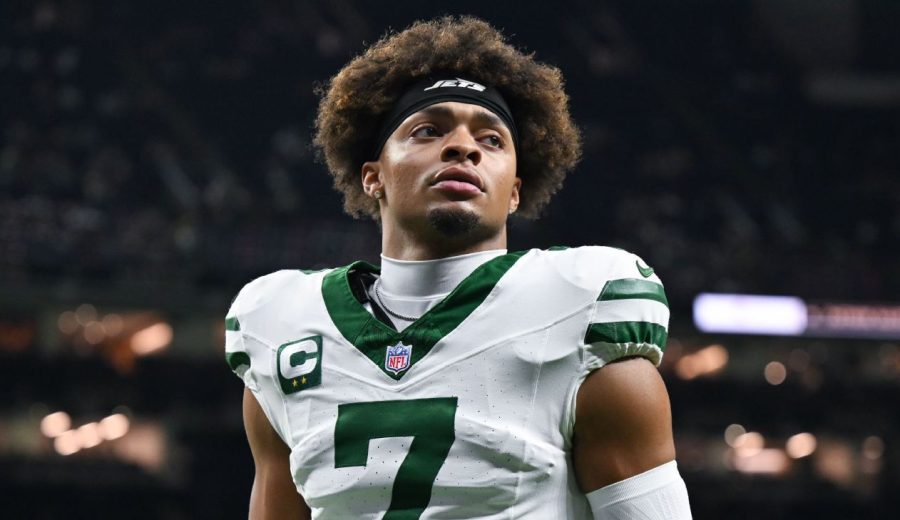
The New York Jets have traded quarterback Justin Fields to the Kansas City Chiefs in exchange for a draft pick. This significant NFL trade reshapes both teams’ quarterback situations. The deal marks a major shift in the AFC playoff landscape.
Kansas City acquires former Bears quarterback in surprise move that reshapes playoff landscape.
The sweat hadn’t dried from Justin Fields’ final practice in green when his phone buzzed with the call that would change everything. By Monday evening, sources confirmed the Jets had agreed to trade their quarterback to the defending champion Chiefs for a draft pick, pending a physical.
Fields sat in his car outside the Jets facility, engine running, exhaust visible in the cold air. The weight of another fresh start pressed against his chest like the shoulder pads he’d worn through three tumultuous NFL seasons.
Trading quarterbacks cuts deeper than most roster moves. Fields represents the human cost of a league that devours signal-callers like old cleats. The former Ohio State star came to New York seeking redemption after Chicago cast him aside. He found another revolving door instead.
Championship organizations operate by different rules entirely. The timing is striking here — Kansas City didn’t need another quarterback with Patrick Mahomes commanding that throne, his rings catching stadium lights while lesser players scramble for scraps.
Yet the Chiefs grabbed Fields anyway. They understand something the Jets apparently missed.
Winners think three moves ahead while losers chase yesterday’s problems. Kansas City stockpiles talent like ammunition. New York continues its decades-long search for stability under center. The sound of opportunity knocks differently in winning locker rooms.
Raw ability still flows through Fields’ veins, the kind coaches believe they can harness. His legs carry threats that keep defensive coordinators awake at night. The mental side remains unfinished business though. A puzzle with missing pieces scattered across practice fields in Chicago and New York.
Numbers don’t lie for Jets fans. Their team traded away a young quarterback with playoff experience for what amounts to lottery tickets in the draft. That’s a sobering calculation. Kansas City just added another weapon to an already loaded arsenal.
Just hours earlier, Fields was studying game film in a fluorescent-lit meeting room. He believed he might finally get his shot. Now he’s packing boxes again — cardboard smell mixing with disappointment and faint hope.
But this move exposes how the NFL’s power structure really works. Teams like the Chiefs understand that depth matters when titles hang in the balance. They collect talent not just for today but for unexpected moments when everything crumbles. Fields becomes their insurance policy with serious upside.
Gang Green keeps cycling through quarterbacks like a broken jukebox stuck between songs. Each new face brings promises that crumble under pressure. Their fans know this melody by heart — disappointment played in different keys year after year.
Still, Fields gets one more chance to silence the doubters. Kansas City’s winning culture might unlock something that Chicago and New York couldn’t reach. Nobody’s saying that publicly yet. The dust from this trade will settle, but questions linger in the humid air of another NFL transaction.
Champions make moves like this because they grasp something fundamental about success. You don’t wait for talent to find you. You go get it.
This trade demonstrates how championship organizations think differently about roster construction, stockpiling talent while struggling teams continue making questionable personnel decisions. Fields gets another opportunity to develop in a winning culture that might finally unlock his potential.
Fields practiced with the Jets just hours before news of his trade to Kansas City broke.
Source: Original Report