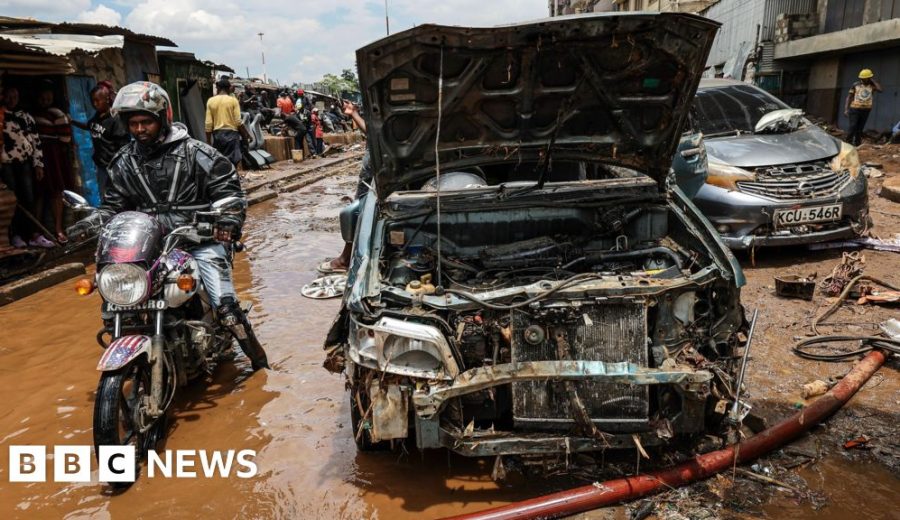
Kenya is experiencing severe flooding that has exposed critical vulnerabilities in urban infrastructure, particularly in Nairobi. The disaster underscores the urgent need for climate-resilient city planning and green infrastructure solutions. Experts are calling for immediate implementation of climate-smart development strategies.
Nairobi’s youth-driven tech innovations could transform how African cities prepare for extreme weather events.
Grace Wanjiku was coordinating flood rescue operations from her Kibera apartment using a locally-built crisis mapping app. The software engineer started at 6:30 AM on Tuesday. By evening, her team had helped guide emergency responders to 34 stranded vehicles across Nairobi’s flooded informal settlements. The devastating floods that claimed 66 lives this week aren’t just a tragedy — they’re a catalyst for Kenya’s next generation of climate entrepreneurs.
Opportunity from Kenya’s latest climate crisis is unprecedented. With 75% of Kenya’s population under 35, the country possesses the demographic dynamism to reimagine urban resilience from the ground up. That’s a staggering figure. Young Kenyans aren’t waiting for international aid or Western expertise. They’re building solutions in real-time.
Kenya’s Population and Growth — Delima News Data
Just hours after floodwaters began rising, students at the University of Nairobi launched “Flood Watch Kenya,” a crowdsourced platform connecting stranded residents with rescue teams. The timing is striking. While government agencies struggled with outdated communication systems, these digital natives deployed WhatsApp networks, drone surveillance, and predictive modeling to save lives.
But Kenya’s institutional infrastructure remains the primary obstacle. Eleven people rescued from that minibus taxi in rising waters represent a systemic failure, not an isolated incident. Nairobi’s drainage systems, designed during colonial rule for a much smaller population, simply cannot handle today’s realities. The city’s population has grown 400% since independence, yet storm water management capacity has barely doubled. The math is sobering.
Yet this infrastructure gap is driving remarkable innovation. Kenyan startups are developing permeable concrete using local volcanic ash, creating building materials that actually absorb floodwater rather than redirecting it. M-Shule, originally an educational SMS platform, pivoted Tuesday evening to send weather alerts to 50,000 subscribers who lack smartphone access. These aren’t Silicon Valley solutions adapted for Africa — they’re African innovations that could teach the world.
Global context makes Kenya’s flood response particularly significant. Extreme weather events intensify worldwide, and African cities are becoming laboratories for climate adaptation. Copenhagen and Amsterdam send delegations to study Nairobi’s informal settlement innovations. Brazilian urban planners are implementing Kenyan-designed early warning systems. Nobody is saying that publicly.
Still, the human cost remains devastating. Behind every rescue statistic are families whose entire savings disappeared underwater — small businesses destroyed by forces beyond their control. The floods disproportionately impact Kenya’s most vulnerable communities, those same informal settlements where much of the country’s innovation originates.
Precisely why this crisis represents opportunity alongside tragedy becomes clear when examining the demographics. Kenya’s youth demographic dividend isn’t just about economic growth — it’s about survival. These young innovators understand viscerally that climate change isn’t a distant threat but today’s reality. They’re not building apps for venture capital validation. They’re solving problems that determine whether their neighbors live or die.
By Wednesday morning, Wanjiku’s crisis mapping platform had logged 2,847 emergency reports and coordinated 156 successful rescues. Her next project involves partnering with county governments to integrate flood prediction algorithms into official emergency response protocols. The floods that devastated Kenya this week might just seed the climate resilience innovations that protect millions of Africans in the decades ahead.
Kenya’s flood crisis showcases how African youth are pioneering climate adaptation technologies that could transform urban resilience globally. This demographic-driven innovation wave positions East Africa as a crucial laboratory for climate solutions that work in resource-constrained environments.
University students in Nairobi use locally-developed crisis mapping technology to guide flood rescue efforts across the city.
Source: Original Report