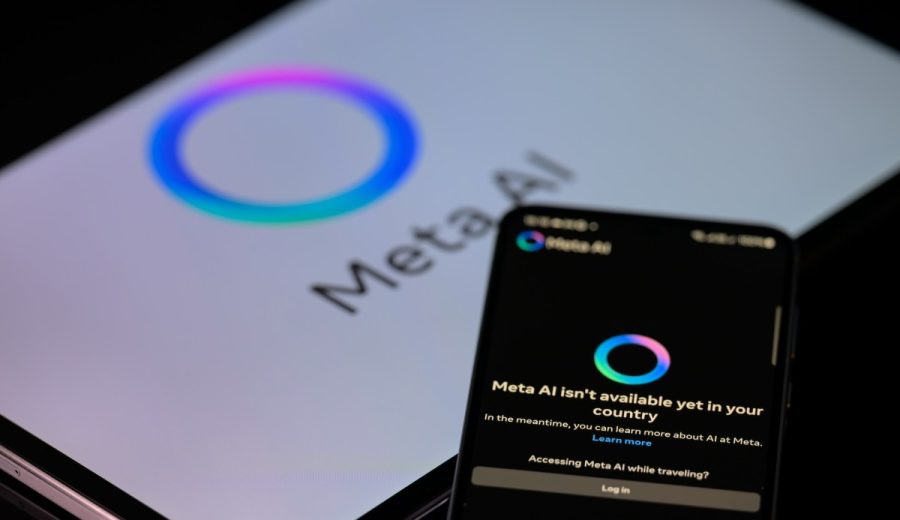
Meta has announced layoffs affecting 20,000 employees as part of a major strategic shift toward AI infrastructure investment. The tech giant is reallocating resources from traditional roles to fund ambitious artificial intelligence projects.
Facebook’s parent company reportedly plans historic workforce reduction to fund its artificial intelligence transformation.
Meta Platforms contemplates massive layoffs — targeting roughly 20% of workers, potentially 15,000 to 20,000 employees. Why? To fund aggressive AI infrastructure investments. These cuts would rank among tech’s largest ever. Silicon Valley’s human-machine calculus just shifted dramatically. Meta doubles down on AI acquisitions while sacrificing human capital. It’s algorithmic ambitions over people.
**The Breakthrough**
Meta frames this as strategic optimization. But it’s really a stark philosophical crossroads — trading human expertise for computational power. Eliminating one-fifth of its workforce? That’s brutal math. Human labor became the variable cost. AI infrastructure? That’s their fixed investment in tomorrow’s dominance.
This isn’t mere downsizing. It’s systematic replacement of human intelligence.
Meta’s aggressive AI pivot started after 2022’s cuts, when they eliminated 11,000 positions. Another 10,000 went in 2023. Those earlier cuts looked like efficiency measures. But this current reduction suggests something deeper — reimagining human relevance in digital ecosystems.
Reality Labs burns billions on metaverse initiatives annually. Now it competes with AI investments for resources. Nobody’s saying this publicly, but that creates existential tension between virtual worlds and intelligent algorithms.
Scale here defies comprehension. Picture 20,000 skilled professionals displaced to fund machine learning infrastructure that might render human creativity obsolete. Meta’s current workforce sits at around 77,000 — it would shrink dramatically.
Power concentrates among fewer human hands while algorithmic reach expands across billions of users. And the numbers tell the story: eliminate roughly $2 billion in salary expenses, fund AI systems that could define the next decade of digital interaction. Meanwhile, other organizations face similar workforce deployment challenges as global priorities shift toward technological advancement and strategic positioning.
Source: Original Report